World Models AI Funded
Odyssey AI Lab Raises $310M for World Models at $1.45B, AWS Partnership Signals Shift
Anonymous

Key Points
1
Natural Capital investor Jay Zaveri framed world models as a “second wave of AI,” arguing that today’s systems are limited because “We have taken a human brain-like construct and only taught it language.”
2
AWS vice president Ron Diamant tied Odyssey’s Trainium use to accelerator leadership, saying, “My goal is to be able to tell my son that I built the best AI accelerator in the world,” and adding that Odyssey’s involvement would “boost Trainium’s development.”
3
Odyssey co-founder and CEO Oliver Cameron emphasized the sensory/behavioral gap world models aim to close, saying the models “will have a much more complete understanding of the world … physics, body language, dynamics, all these things that exist in the world that language doesn’t really capture.”
4
Beyond the headline investors, Odyssey’s Series B included participation by prominent existing backers such as Google chief scientist Jeff Dean, investor Elad Gil, Applied Intuition CEO Qasar Younis, Y Combinator CEO Garry Tan, Vercel founder Guillermo Rauch, and Cruise founder Kyle Vogt.
5
A key context detail: Nvidia’s venture arm NVentures backed Odyssey’s Series A just four months earlier, but Nvidia is “nowhere in the Series B,” prompting analysis that it could be read as buyers seeking Nvidia alternatives—even though commentators noted “preferred cloud” doesn’t necessarily mean an exclusive chip commitment.
Odyssey, a Palo Alto AI startup that builds "world models," has raised $310 million in a Series B round at a $1.45 billion valuation, according to TechCrunch. The round was led by Natural Capital and backed by Amazon, AMD Ventures, GV, EQT, and In-Q-Tel — the CIA's venture arm. The company was founded in 2023 by two former self-driving car executives and reached unicorn status in under three years.
World models are AI systems trained to predict how physical environments change over time — using physics and cause-and-effect logic. That's different from tools like ChatGPT, which predict the next word in a sentence. As Value the Markets reported, Odyssey aims to give AI a deeper grasp of the real world: gravity, movement, body language, and more.
Amazon Bets on Odyssey to Challenge Nvidia's Chip Dominance
Alongside the funding, Amazon Web Services named itself Odyssey's preferred cloud provider. The deal puts Odyssey on AWS Trainium chips — Amazon's own AI accelerator, built to compete with Nvidia's H100s. AWS vice president Ron Diamant was blunt about his ambitions. "My goal is to be able to tell my son that I built the best AI accelerator in the world," he said, adding that Odyssey's work would "boost Trainium's development," per TechCrunch.
The move matters because Nvidia chips are expensive and often scarce. If Odyssey can get strong results on Trainium, it gives other AI companies a blueprint for cutting costs. Industry estimates suggest Odyssey could use more than 50,000 Trainium chips over the next two years, according to WebProNews.
Nvidia Backed the Series A — Then Vanished From the Series B
Just four months before this round, Nvidia's venture arm, NVentures, backed Odyssey's Series A. But Nvidia is nowhere in the Series B. TechCrunch flagged the absence as notable. Analysts read it as a signal: major buyers may be hunting for alternatives to Nvidia, even if they haven't fully switched. Commentators noted that "preferred cloud" doesn't mean Odyssey is locked out of Nvidia hardware entirely.
Still, the optics are hard to ignore. A high-profile AI lab going from Nvidia-backed to AWS-aligned in one funding cycle — while landing Amazon as a strategic partner — sends a message to the market, according to Crypto Briefing.
World Models Are the "Second Wave of AI," Investors Argue
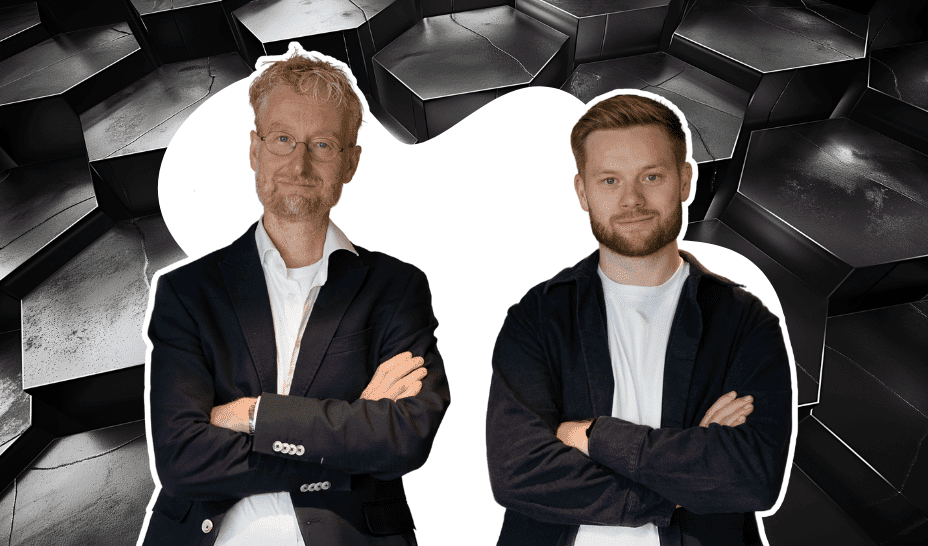
Natural Capital's Jay Zaveri led the round and framed it as a generational shift. "We have taken a human brain-like construct and only taught it language," he said. He called world models the "second wave of AI." Co-founder and CEO Oliver Cameron put it plainly: the models "will have a much more complete understanding of the world — physics, body language, dynamics — all these things that language doesn't really capture," per Value the Markets.
Cameron and co-founder Jeff Hawke both come from the self-driving car world — Cruise and Wayve, respectively. Those companies collectively raised over $15 billion in venture funding. The idea behind Odyssey grew from a problem they saw firsthand: AI systems lacked basic physical common sense. The startup targets uses in robotics, gaming, defense, healthcare, and education, according to Whalesbook.
Star-Studded Cap Table Signals Wide Confidence in the Vision
Beyond the headline funds, Odyssey's Series B drew a notable list of individual backers. They include Google chief scientist Jeff Dean, Y Combinator CEO Garry Tan, Vercel founder Guillermo Rauch, Applied Intuition CEO Qasar Younis, Cruise founder Kyle Vogt, and investor Elad Gil. The mix spans AI research, developer tools, and the autonomous vehicle world — roughly the same ecosystem Odyssey is trying to transform, according to TechCrunch.
The presence of In-Q-Tel — which funds tech for US intelligence agencies — also points to defense applications. World models could be used to simulate battlefield conditions or train autonomous drones to navigate without GPS. That use case, combined with the AWS alignment and AMD backing, positions Odyssey as a bet on US-made AI infrastructure, per Crypto Briefing.
Sentiment
Mostly PositiveNEGATIVENEUTRALPOSITIVE
Publishers
17
Articles
31
Reach
48
A
AnonymousAuthor