Suicide Prevention Efforts Expand Through Community Connections
Suicide Prevention Efforts Expand Through Community Connections
Anonymous

Key Points
1
Experts identify specific warning signs that someone may be struggling, including withdrawal, increased substance use, extreme mood changes, hopelessness and statements about being a burden; they emphasize that people do not need to be mental-health professionals to say, “I’m concerned about you. How can I help?”
2
The CDC reports that nearly half of people who die by suicide have a current diagnosed mental-health condition, underscoring that suicide risk can affect people who may already be connected to care.
3
Saskatchewan’s Roots of Hope initiative describes prevention as building a life worth living before a crisis occurs; coordinator Anne Duriez said, “If we can prevent somebody from ever thinking about suicide, that’s true prevention.”
4
The Hope and Honor Walk was founded by Serena Orman after her mother died by suicide in 2014. Orman said the event’s purpose is personal: “I don’t ever want another family to go through this,” and she considers it successful if it helps even one person each year.
5
The Sonora gathering included a butterfly release and speakers who shared personal experiences with mental-health struggles, while the Tuolumne County Board of Supervisors had formally urged schools, businesses, government agencies and other institutions to increase suicide-prevention awareness.
Suicide prevention experts are pushing communities to make mental-health support a year-round priority, not just a September observance. The United States recorded 48,824 suicide deaths in 2024 — a record high — while millions more adults seriously considered or attempted suicide, Cut Bank Pioneer Press reported. Behavioral-health leaders emphasize that ordinary people can save lives by asking direct questions, listening without judgment and connecting struggling individuals to help like the 988 Suicide & Crisis Lifeline.
In Saskatchewan and across North America, prevention efforts are shifting focus from crisis response to building stronger community connections before someone reaches a breaking point. NAMI and local advocates stress that recognizing warning signs — withdrawal, substance use, hopelessness, statements about being a burden — gives friends and family a chance to intervene. As one Saskatchewan coordinator said, preventing suicide means helping people build a life worth living long before a crisis develops.
Why Direct Conversations Matter More Than Silence
A persistent myth stops people from helping: asking someone if they're thinking about suicide will plant the idea or make things worse. Mental-health experts firmly reject this. VA Augusta and other prevention organizations say the opposite is true — direct, caring questions open doors to help. People don't need professional training to say, "I'm concerned about you. How can I help?" Listening without judgment and taking warning signs seriously can change outcomes.
The CDC found that nearly half of people who die by suicide had a current diagnosed mental-health condition. This means suicide risk touches people already connected to care — making community awareness and support networks critical. NAMI Albany works to reduce stigma around mental-health conversations, creating safe spaces where people feel comfortable being honest about their struggles and seeking treatment.
Building Connection Before Crisis Hits in Saskatchewan
Saskatchewan's suicide rates remain above Canada's national average, with rural residents, men and agricultural workers facing the highest risks. Isolation, financial pressure and access to lethal means create a dangerous combination. The Roots of Hope initiative flips the prevention script: instead of waiting for someone to mention suicide, the program builds supportive communities where people feel less alone. Anne Duriez, the program's coordinator, said: "If we can prevent somebody from ever thinking about suicide, that's true prevention."
Public Gatherings Honor Loss and Connect Communities to Help
California's Hope and Honor Walk brings strangers and survivors together to walk in memory of those lost to suicide while spreading awareness about available resources like the 988 Lifeline. Serena Orman founded the event after her mother died by suicide in 2014. She said: "I don't ever want another family to go through this." Orman considers the walk successful if it helps even one person each year recognize warning signs or reach out for support.
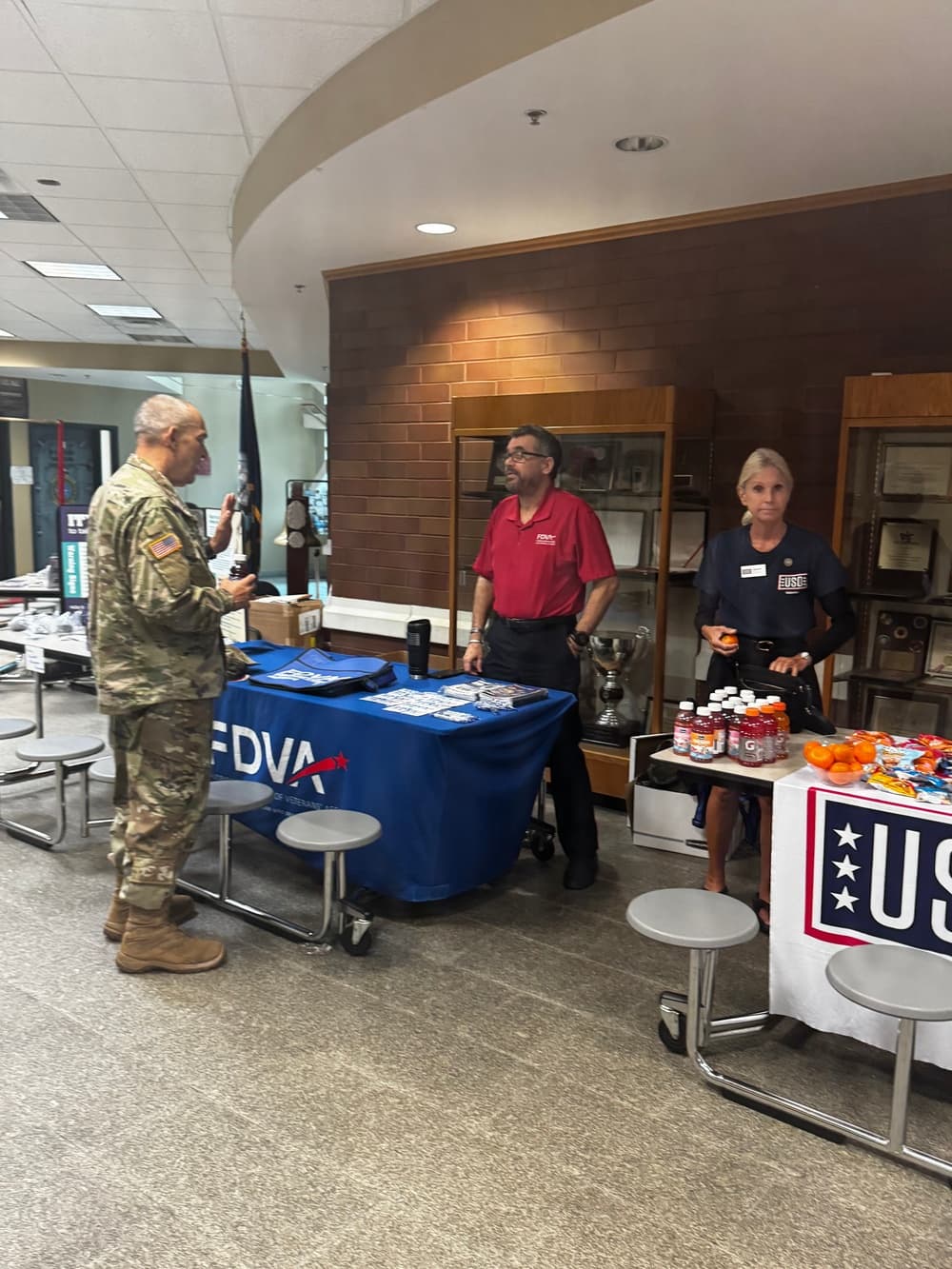
At a Sonora gathering, participants released butterflies while speakers shared personal stories of mental-health struggles and recovery. The Tuolumne County Board of Supervisors formally urged schools, businesses and government agencies to increase suicide-prevention awareness year-round. These public events reduce shame, remind isolated people they're not alone and provide direct pathways to help in real time.
Small Moments of Joy Can Shift Prevention Outcomes
New research from the University of Maryland suggests that even small positive experiences — moments of connection, laughter or beauty — can help prevent suicide. Professor Philip Resnik's team found that simple joys matter more than we realize in building resilience. This reinforces why community events, Check-in conversations and shared meals aren't just nice extras; they're protective factors that strengthen people's reasons to stay alive.
Sentiment
Mostly NegativeNEGATIVENEUTRALPOSITIVE
Publishers
28
Articles
8
Reach
36
Topics
A
AnonymousAuthor