Emergency 109 Hotline Access
South Korea Designates 109 Hotline as Emergency Number for Suspended Phones
Anonymous
Key Points
1
South Korea’s 109 hotline is already a toll-free, receiver-pays service operating 24 hours a day, 365 days a year; callers do not incur charges, but its lack of emergency-number status previously prevented access when outgoing service was suspended.
2
The policy change followed public feedback submitted through the presidential office’s social-media channels from people who said financial hardship and suspended outgoing calls made 109 inaccessible.
3
Telecommunications operators will be required to connect calls to 109 even when a user’s outgoing service has been stopped for overdue bills, under the emergency-communications framework established by South Korea’s Telecommunications Business Act.
4
Authorities plan to shorten the public-comment period for the regulatory notice from 20 days to 10 days, accelerating the formal designation process after the system is implemented.
5
Lee Seon-ye of the Anti-Corruption and Civil Rights Commission said designating 109 as an emergency communications line would raise awareness that it is an emergency service and strengthen its role as a suicide-prevention safety net.
South Korea is moving to make its 109 suicide-prevention hotline accessible even when people's phone service gets shut off for unpaid bills. Starting October 1, the government will designate 109 as an emergency communications number, allowing calls to reach counselors around the clock regardless of service suspension status. Korea Herald The change comes after residents shared hardship stories through official channels, saying financial struggles blocked access to the free, toll-free hotline.
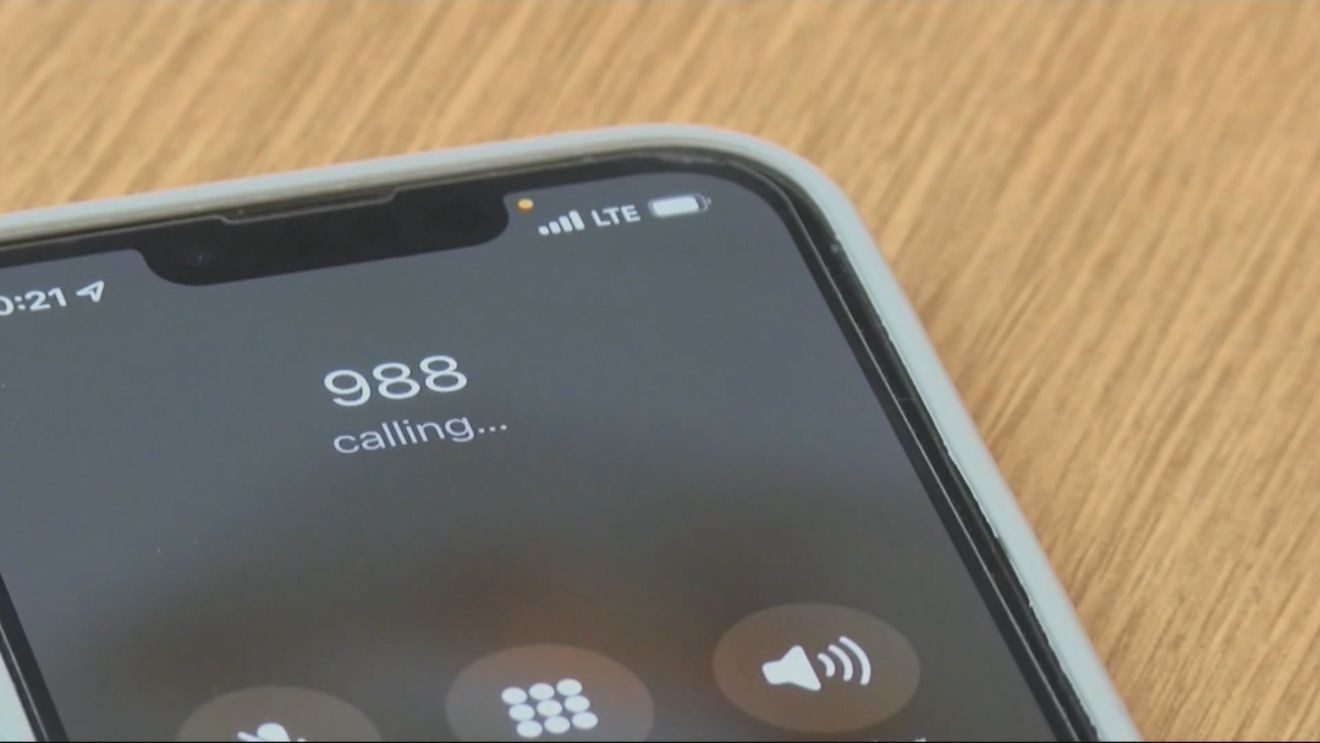
The U.S. marked 988 Day by promoting its own Suicide and Crisis Lifeline, which has fielded more than 26 million contacts since launching in 2022. SAMHSA South Korea's push mirrors that commitment: authorities plan to let people dial 109 from locked phones and are fast-tracking formal regulatory approval to cement the service's emergency status.
How South Korea's 109 Hotline Works Today
South Korea's 109 hotline already operates 24 hours daily, 365 days a year at no cost to callers — the receiver pays. Korean Ministry of Health But a critical gap existed: when telecom providers suspended outgoing service for overdue bills, people couldn't reach 109. The hotline had no emergency-number status, so it fell outside the protected communications framework that lets people call 911 or equivalent numbers during service cuts.
Public Pressure Drives Emergency-Access Policy
The policy shift came directly from citizens. Anti-Corruption and Civil Rights Commission People in financial hardship submitted messages through presidential office social-media channels, describing how suspended service locked them out of the hotline when they needed help most. Their feedback revealed a painful contradiction: a free crisis service became unreachable to those facing the worst circumstances.
Lee Seon-ye of the Anti-Corruption and Civil Rights Commission said designating 109 as emergency communications would "raise awareness that it is an emergency service and strengthen its role as a suicide-prevention safety net." ACRC The designation leverages South Korea's Telecommunications Business Act, which already permits telecom operators to connect emergency calls even when standard outgoing service is blocked.
Implementation and Regulatory Fast-Track
Starting October 1, South Korea's telecom providers must route 109 calls through the emergency framework, bypassing service suspensions entirely. Ministry of Science and ICT Simultaneously, authorities will pursue formal regulatory revisions. They plan to cut the public-comment period from 20 days to 10 days, accelerating approval so the emergency designation becomes law.
Future plans include enabling direct access to 109 from phone lock screens — mimicking how emergency numbers like 112 appear instantly without unlocking the device. MSIT The combined changes transform 109 from a helpful resource into a genuinely accessible safety net for people in crisis, regardless of their financial situation or service status.
Sentiment
Mostly PositiveNEGATIVENEUTRALPOSITIVE
Publishers
29
Articles
7
Reach
36
Topics
A
AnonymousAuthor


