South Korea Censorship Debate
South Korea Enforces New 'Fake News' Law Amidst Concerns Over Free Speech and Censorship
Anonymous
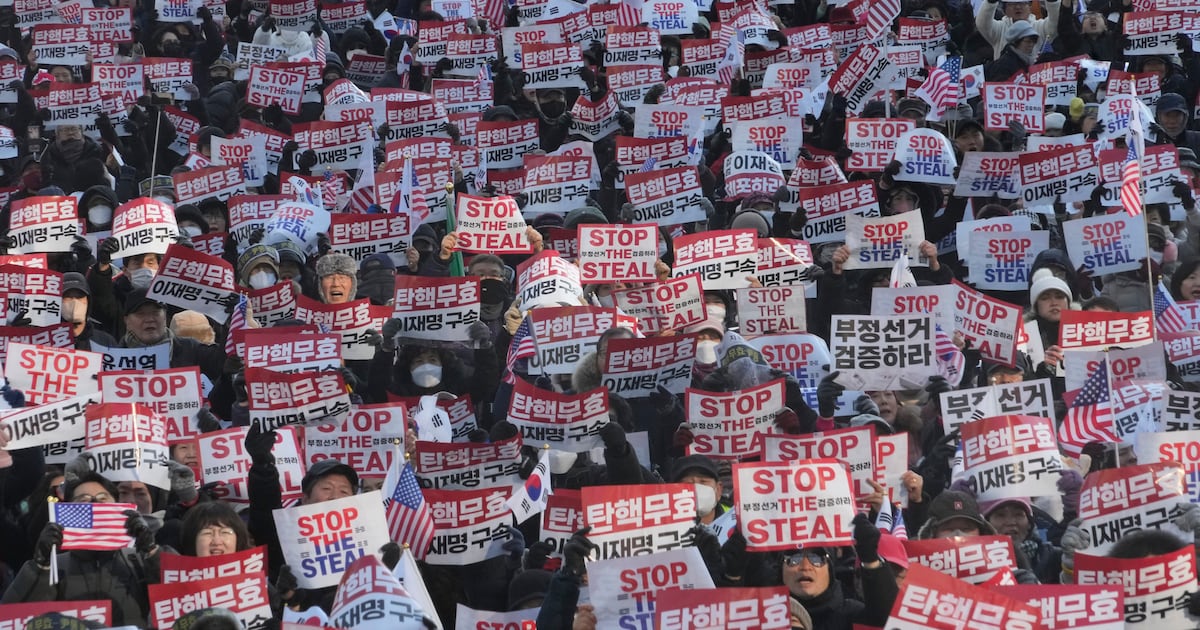
South Korea began enforcing a sweeping new law on July 22 that lets courts order news outlets and social media influencers to pay up to five times the proven damages for spreading false information, according to AP News. The law also covers YouTube creators with large audiences who circulate illegal, fake, or manipulated content for profit or to cause harm.
Journalists' groups and civil liberties organizations quickly raised alarms. Critics warn the law could push reporters and online creators to self-censor, fearing costly lawsuits over any story that a court later deems false, AP News reported.
What the Law Actually Does to Violators
Under the new rules, courts can award damages up to five times the proven losses caused by false reporting. That multiplier applies to news organizations and large social media channels alike, according to AP News. If a creator or outlet spreads the same false content more than twice after a court confirms it is fake, South Korea's media regulator can impose a fine of up to 1 billion won — roughly $656,000.
The Korea Media and Communications Commission oversees enforcement. The commission downplayed fears of state censorship, saying the law targets deliberate disinformation, not honest mistakes, AP News reported.
Liberal Government Says Fake News Threatens Democracy
The law was backed by the liberal Democratic Party, which supports President Lee Jae Myung. Party leaders argued that fake news and disinformation pose a direct threat to South Korea's democracy, according to AP News. They framed the legislation as a necessary tool to hold powerful media outlets accountable for harm caused by false stories.
South Korea has long struggled with politically charged misinformation. Both conservative and liberal camps have accused opposing media outlets of spreading lies to influence public opinion.
Press Groups Fear a Chilling Effect on Reporting
Journalists' organizations say the law's broad scope is the real danger. Because the definition of 'false information' can be disputed, reporters may avoid publishing critical or investigative stories to stay out of court, according to WHIO. That kind of self-censorship is hard to measure but easy to trigger when fines reach into the hundreds of thousands of dollars.
Civil liberties groups warn that platforms and news sites could also adopt more aggressive content moderation to limit their legal exposure. Critics say that creates a system where fear of liability — not editorial judgment — shapes what the public gets to read or watch, WOKV reported.
South Korea Joins a Global Debate Over Regulating Misinformation
South Korea is not alone. Governments around the world are wrestling with how to curb online misinformation without silencing free speech. The European Union's Digital Services Act, for example, requires large platforms to remove illegal content but stops short of punitive multiplier damages like South Korea's new law.
The South Korean law goes further than most by targeting individual social media creators alongside traditional news outlets. That broad reach is what worries press freedom advocates most. They argue that putting YouTube influencers and major newspapers under the same legal framework blurs the line between journalism and opinion, AP News reported.
Sentiment
NeutralNEGATIVENEUTRALPOSITIVE
Publishers
5
Articles
5
Reach
5
A
AnonymousAuthor


