Crazy Taxi Returns, Sparks AI Talk
Crazy Taxi: World Tour Returns in 2027, Unveiling New Adventures and Generative AI Concerns
Anonymous
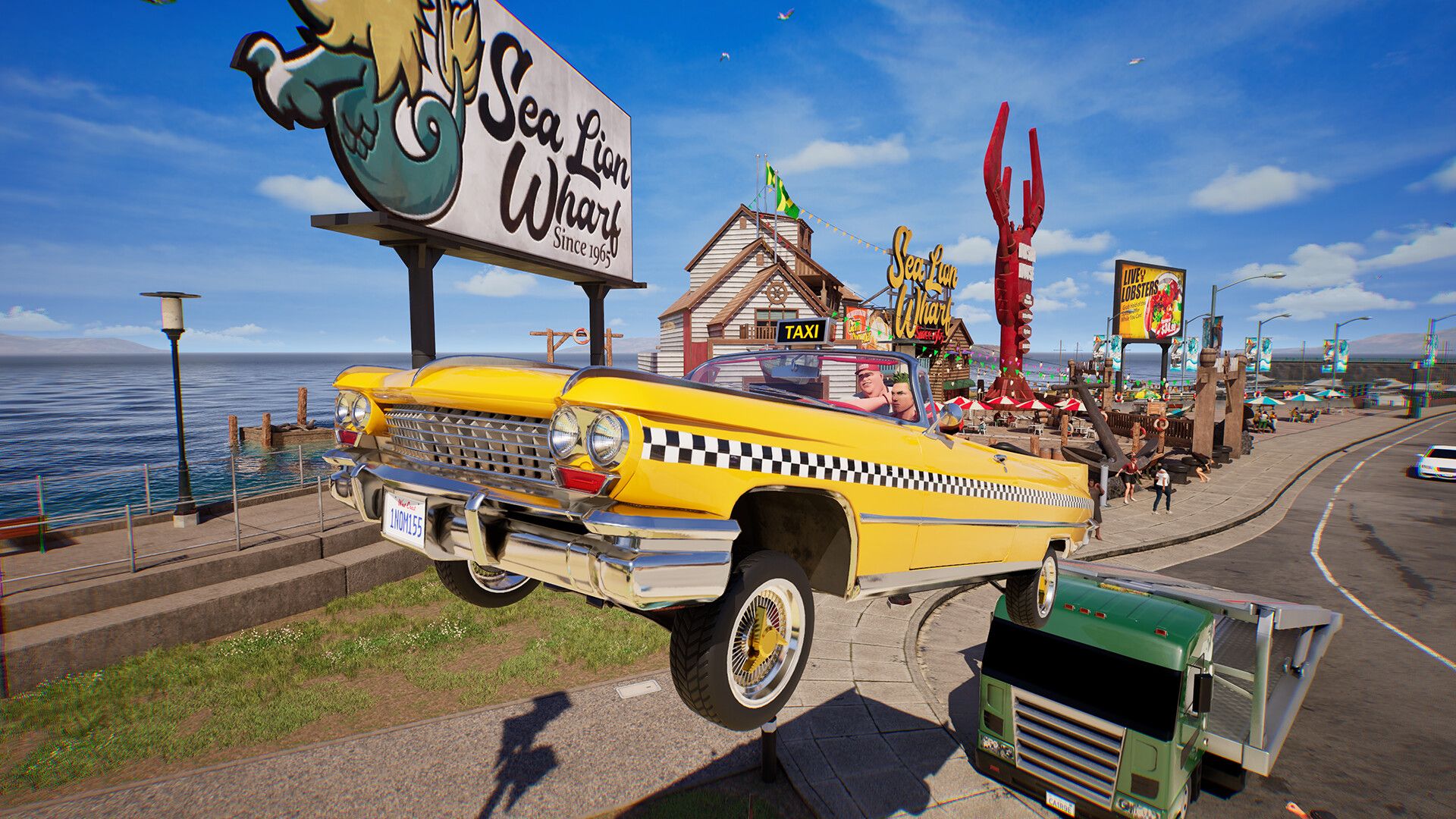
SEGA used the Xbox Games Showcase to announce Crazy Taxi: World Tour, a new mainline entry coming in 2027 that returns longtime protagonist Axel to high-speed rides while he chases masked villains after his taxi is stolen. The game, led by Crazy Taxi creator Kenji Kanno, is positioned as a story-driven world tour with new maps and missions across five cities, multiplayer options, and new vehicles and customization, with a Classic mode for Arcade gameplay. SEGA also confirmed the title is in development for Nintendo Switch 2, with a worldwide digital release via the Nintendo eShop. While the reveal sparked enthusiasm for bringing the franchise back after years, some fans have reacted negatively after discovering the game will use generative AI for in-development assets, citing broader concerns about non-human creative involvement. SEGA’s disclosures, including statements tied to the Steam listing, say generative AI was used as a support tool for developers and for background assets, while also claiming no AI was used for performers, though critics argue the explanation remains vague.
Key Points
1
SEGA’s reveal trailer (from the Xbox Games Showcase) used The Offspring’s “All I Want” and begins with Axel on a high-speed run around a familiar city before “a mysterious new driver arrives and sets him off on an international adventure.”
2
Several reports emphasized the franchise gap: Crazy Taxi (originally an arcade game from 1999) has not had a new main series console entry since Crazy Taxi 3: High Roller on the original Xbox, making World Tour the first new mainline console release “in years.”
3
On Steam, the generative-AI controversy was linked to the platform’s requirement for an “AI-generated Content Disclosure.” SEGA’s posted rationale includes the line: “we utilize generative AI as a support tool for developers, aiming to provide better content to our users and enable developers to focus more on creative tasks.”
4
SEGA’s disclosure (as quoted in one report) specifically says: “Generative AI was used to support our teams during the development of background assets,” while also stating no AI was used regarding the game’s performers—though critics noted the explanation remains broad.
Sentiment
Mostly PositiveNEGATIVENEUTRALPOSITIVE
Publishers
58
Articles
24
Reach
82
A
AnonymousAuthor


