Canada's Submarine Choice Looms
Canada to announce preferred bidder for next-gen submarines amidst German, South Korean competition.
Anonymous
Key Points
1
South Korea has offered to deliver four submarines by 2035 to prevent a capability gap in Canada, emphasizing fast delivery as a key differentiator.
2
If South Korea wins, this would be the first case in which Canada acquires a major weapon system from a non-Western supplier, a point highlighted by Korean officials amid the bidding.
3
Thyssenkrupp Marine Systems (TKMS) is pursuing a multi-national investment package with Norwegian and German partners that would cover rare earths and battery chemicals as part of the bid strategy.
4
Canada's preferred bidder announcement is planned for July 6 in Halifax, ahead of the NATO summit in Turkey, with a schedule that includes a base visit at 4:50 p.m. local time and an announcement at 5:10 p.m., before Prime Minister Carney departs for Ankara.
Canada has chosen Germany's ThyssenKrupp Marine Systems (TKMS) as its preferred supplier for up to 12 new submarines for the Royal Canadian Navy, according to Euractiv and multiple Canadian outlets. The announcement marks the country's largest-ever defence procurement decision.
Prime Minister Mark Carney made the announcement on July 6 in Halifax, ahead of the NATO summit in Turkey. TKMS beat out South Korea's Hanwha Ocean in a contest that has been watched closely by allies on both sides of the Atlantic, according to Ottawa Sun.
TKMS Wins Canada's Biggest-Ever Defence Contract
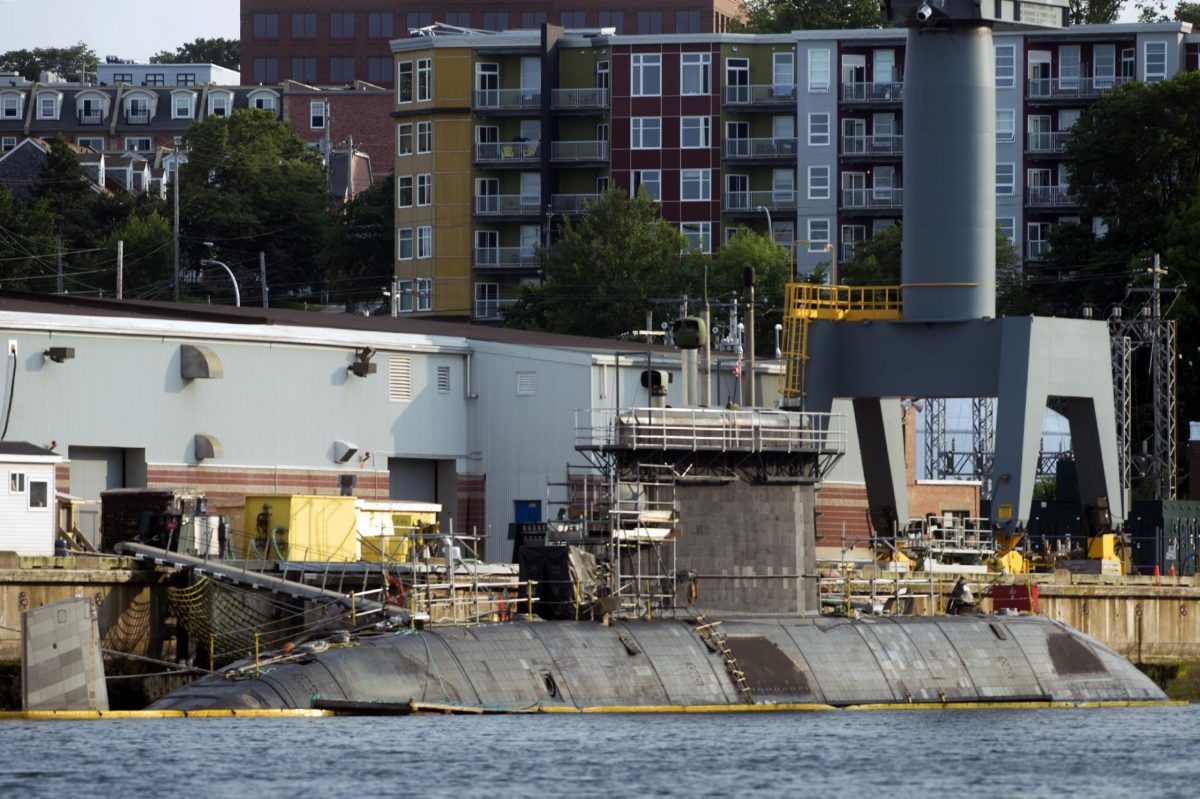
Germany's TKMS will supply up to 12 diesel-electric submarines to replace Canada's aging Victoria-class boats, according to Calgary Sun. The program aims to have new submarines in service by the mid-2030s. Costs are expected to run into the tens of billions of dollars, with long-term maintenance pushing the total far higher.
The preferred bidder selection does not mean a final deal is done. Canada will now enter negotiations with TKMS. Those talks will determine the exact price, delivery schedule, and other key terms, according to Toronto Sun. Only after that will a binding contract be signed.
Germany Edges Out South Korea on NATO Ties and Strategy
South Korea's Hanwha Ocean had pushed hard on speed. It offered to deliver four submarines by 2035 to prevent a gap in Canada's underwater defence. That pitch made it a serious contender. A win for South Korea would have been the first time Canada bought a major weapons system from a non-Western supplier.
Germany argued its submarines offered stronger interoperability with NATO allies — meaning Canadian crews could work more easily alongside European partners. TKMS also put together a deal involving Norwegian and German partners. That package included rare earth minerals and battery chemicals, sweetening the offer beyond just the submarines themselves, according to Euractiv.
Halifax Announcement Timed to NATO Diplomacy in Turkey
The announcement was scheduled for 5:10 p.m. local time in Halifax on July 6, following a base visit at 4:50 p.m., according to Edmonton Sun. Carney then departed for Ankara, Turkey, where NATO leaders were gathering for a summit. The timing sent a clear signal to European allies about Canada's defence priorities.
A German official framed the result as more than just a submarine deal. A TKMS win, the official said, could deepen Ottawa-Europe ties and signal a broader strategic alignment with NATO at a time when Canada is navigating a tense relationship with the United States under President Donald Trump, according to Ottawa Sun.
What Comes Next Before Any Deal Is Final
Naming TKMS as preferred bidder starts a negotiation process, not a done deal. Canada and TKMS must agree on price, delivery timelines, and maintenance terms. Officials stressed that the preferred bidder label does not guarantee a contract. If talks break down, the process could change course, according to Calgary Sun.
The stakes are high. Canada's Victoria-class submarines are aging fast. The Royal Canadian Navy needs new boats to patrol Arctic waters and meet growing NATO commitments. The mid-2030s target for first delivery leaves little room for delays in the talks ahead, according to Toronto Sun.
Sentiment
Mostly PositiveNEGATIVENEUTRALPOSITIVE
Publishers
11
Articles
20
Reach
31
A
AnonymousAuthor


