Colombia Seeks Tariff Suspension
Colombia's President Urges US to Suspend Tariffs on Exports After Devastating Earthquake
Key Points
Tariffs on Colombian exports have been raised to 12.5% under Section 301 of the Trade Act of 1974, with exemptions for coffee and oil, and Colombia has asked the U.S. President to suspend them to provide relief to business owners.
The main coffee export port, Buenaventura, is inaccessible due to blocked roads and damaged infrastructure, creating bottlenecks in coffee shipments as the country works to reopen its logistics chain.
The United States is the largest export market for Colombia's textiles and apparel, accounting for about 41% of the sector's exports, with the earthquake also affecting textile hubs in Cali, Pereira and Manizales.
International support is being pledged to Colombia’s recovery, with the United States, Mexico, and other Latin American nations among those offering aid.
The earthquake struck on August 10, 2026, causing widespread damage and a national disaster declaration as the country coordinates international aid and disaster response.
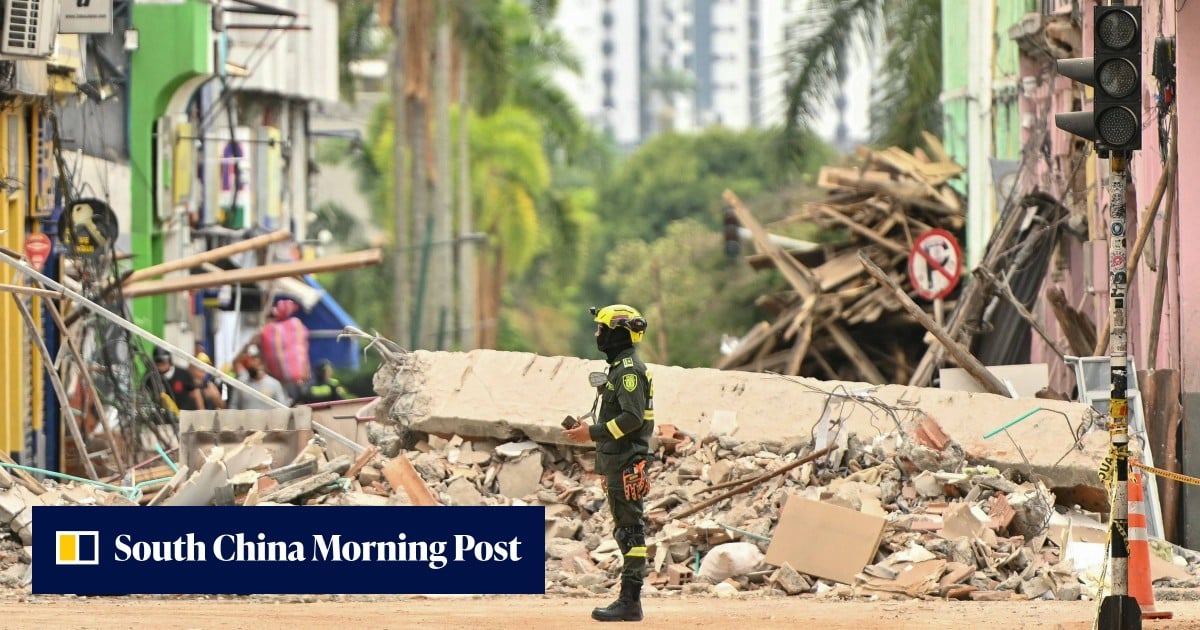
Colombia's new president, Abelardo de la Espriella, has asked Donald Trump to temporarily suspend U.S. tariffs on Colombian goods after a 7.4-magnitude earthquake killed nearly 300 people on August 10, 2026. The disaster triggered a national emergency declaration and wrecked key export infrastructure across the country's Pacific coast, according to Herald Sun.
The request came during a ten-minute phone call between the two leaders, in which de la Espriella thanked Trump for U.S. disaster aid and pushed for tariff relief, ArcaMax reported. The U.S. had raised tariffs on Colombian goods from 10% to 12.5% in late July under Section 301 of the Trade Act of 1974, with exemptions for coffee and oil.
Earthquake Cuts Off Colombia's Biggest Export Port
The port of Buenaventura, Colombia's main gateway for coffee exports, is now unreachable. Blocked roads and damaged infrastructure have created a severe bottleneck, Kansas reported. Colombia is one of the world's top coffee producers, and delays at Buenaventura could ripple through global supply chains.
The quake also hit major textile hubs. The cities of Cali, Pereira, and Manizales — all centers of Colombia's apparel industry — suffered damage. The United States buys about 41% of Colombia's textile and apparel exports, according to Ledger-Enquirer. That makes tariff relief especially critical for factory owners trying to stay afloat.
New President Frames Tariff Pause as Business Relief
De la Espriella took office recently and made the tariff call one of his first major diplomatic moves. He framed the suspension not as a political favor but as direct help for business owners hit hard by the disaster. "Relief for business owners facing hardship" was how his office described the goal, according to ArcaMax.
Colombia's economy depends heavily on exports. Tariffs at 12.5% add pressure at the worst possible time — when logistics are broken and revenue is falling. Analysts say even a short pause could help stabilize the country while it rebuilds, SCMP reported.
U.S. and Latin America Pledge Aid as Colombia Rebuilds
The United States, Mexico, and other Latin American nations have offered aid to Colombia following the quake, Herald Sun reported. Washington's willingness to send disaster relief adds some optimism that a tariff pause could follow, though no formal agreement has been announced yet.
Colombia is coordinating the international response as it works to reopen roads and restore port access. The timeline for rebuilding remains unclear. Until Buenaventura reopens, coffee, textiles, and petroleum shipments will continue to face major delays — putting more strain on an already stressed economy.
Sentiment
Mostly PositivePublishers
11
Articles
49
Reach
60


