Party Platforms Unveiled
New Book Traces American Politics Evolution Through Decades of Presidential Party Platforms
Anonymous
Key Points
1
Neiswender states the book is written to encourage readers to study the historical record themselves, underscoring a reliance on primary sources over secondary commentary.
2
The book highlights the expansion of federal programs as a central theme across party platforms, signaling a long-running debate about the size and scope of the federal government.
3
The author emphasizes that the study centers on the actual language of party platforms rather than media narratives, with the aim of showing how political direction shifts over time.
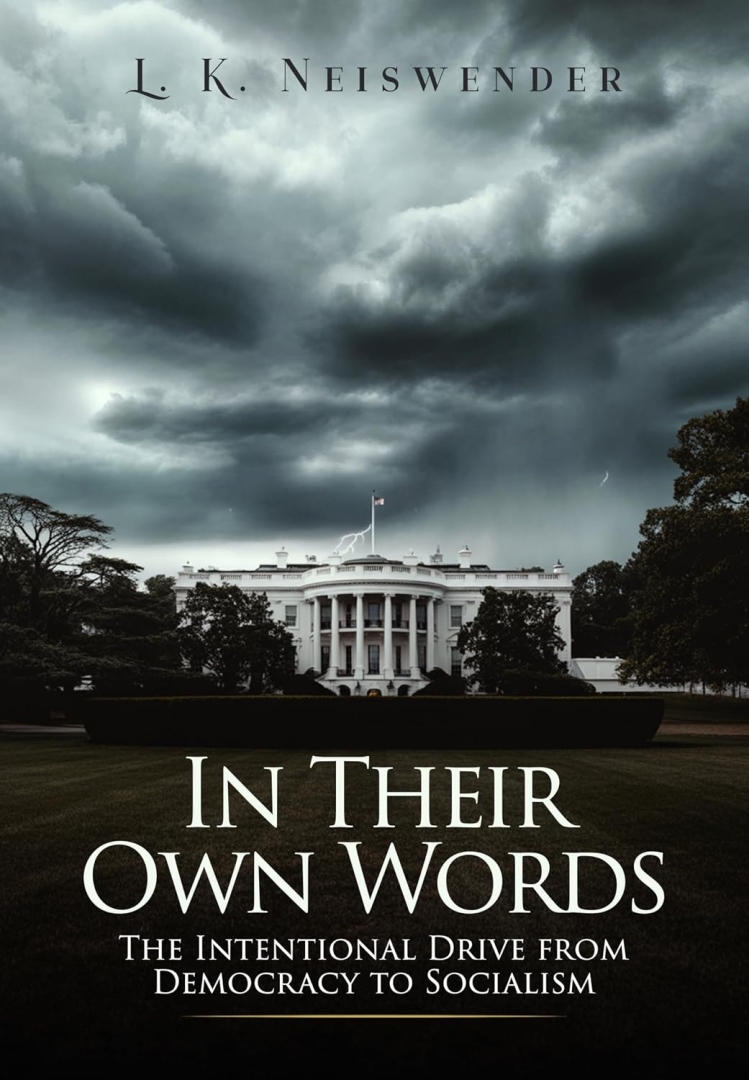
A new book argues that America's shift toward bigger government is hiding in plain sight — inside the official platforms of its own political parties. Financial Content reports that author L. K. Neiswender has released In Their Own Words: The Intentional Drive from Democracy to Socialism, a political history that traces seven decades of American policy goals using presidential party platforms as its primary source.
Neiswender starts the analysis in 1952 and works forward, covering debates over federal power, immigration, healthcare, taxation, and national defense. The book's central claim is direct: the platforms themselves reveal America's political direction more clearly than any media commentary can.
Primary Sources Replace Media Spin as Evidence
Neiswender built the book around one core idea: go to the original documents. According to KOTA Radio, the author wrote the book specifically to push readers to study the historical record themselves rather than rely on outside commentary. The language of each party platform is quoted directly, letting the words speak without a filter.
That approach puts the book in a different category from most political history writing. Instead of summarizing what analysts said about a platform, Neiswender shows what the platform actually said. The goal is to let readers spot shifts in political direction on their own terms.
Federal Power Grows as a Cross-Decade Theme
The book's biggest finding covers more than 70 years of platform language. Financial Content notes that the expansion of federal programs is a central theme running across party platforms from 1952 onward. Each decade brought new proposals for federal involvement in areas once left to states or individuals.
Neiswender frames this as a long-running debate, not a sudden change. On one side sit calls for stronger federal authority. On the other are demands for state control and individual responsibility. The book traces how that tension plays out across healthcare, labor law, welfare policy, and economic regulation over generations.
Cold War, Korea, and Crises That Shaped Policy Agendas
The book does not treat politics as abstract. It anchors platform shifts to real historical events. According to KOTA Radio, Neiswender revisits the Korean War, Cold War tensions, recessions, labor disputes, and immigration debates to show how each crisis pushed parties to update their governing priorities.
That historical grounding gives the book a concrete feel. A platform plank on national defense written during the Cold War looks very different from one written after it. Neiswender uses those contrasts to show how outside events change what parties promise — and what kind of government they say they want to build.
Accessible Writing Targets Everyday History Readers
Neiswender wrote the book for a general audience, not political scholars. My Eagle Country reports the work is designed to be readable for anyone interested in American history or political philosophy. The plain-language approach matches the book's own argument — that complex political change can be understood without expert translation.
The title itself signals the author's thesis. "In Their Own Words" points to the platform-first method. "The Intentional Drive from Democracy to Socialism" signals where Neiswender believes the evidence leads. Readers are invited to follow the same paper trail and decide for themselves.
Sentiment
Mostly PositiveNEGATIVENEUTRALPOSITIVE
Publishers
18
Articles
43
Reach
61
Topics
A
AnonymousAuthor