Hun Sen's Cambodia Story
Author Fari's New Book Documents Cambodia's Peace and Development Under Hun Sen's Leadership
Anonymous

A new book framing Hun Sen as Cambodia's indispensable peacemaker has arrived on the global stage — and it is already drawing both praise and sharp criticism. AP News reports that author Fari Sonita's *The Father Who Shielded and Never Left*, published March 27, 2026, documents how Cambodia moved from genocide and civil war to a growing economy, centered on the man who led the country for nearly four decades.
The book covers 40-plus years of history across 12 chapters, according to GlobeNewswire. It hit international markets through Amazon in April 2026, with an eBook edition released June 3. Supporters call it essential reading for world leaders. Critics call it a whitewash.
The Win-Win Policy That Ended a Civil War
The heart of the book is Hun Sen's "Win-Win Policy," a strategy he began developing in 1987 to encourage Khmer Rouge soldiers to defect. The policy rested on three guarantees: no execution or prosecution, full reintegration into the military at existing rank, and the right to keep property. By December 1998, the Khmer Rouge had fully collapsed. Cambodia's civil war was over.
Fari Sonita describes this outcome as a "Khmer peace formula" the world should study, according to GlobeNewswire. She argues that Hun Sen achieved stability without waiting for "external order" — meaning no UN-led force or foreign intervention drove the result. Critics, however, note the policy let many war criminals walk free, a trade-off that still divides Cambodian society.
Cambodia's Economic Rise After Decades of Conflict
The book ties peace directly to prosperity. Cambodia averaged 7.7% annual GDP growth in the two decades after the Win-Win Policy took effect. Poverty fell from 53% in 2004 to roughly 10% by the mid-2020s. Fari Sonita positions stability — not aid or outside intervention — as the engine behind that progress.
Street Insider notes the book also highlights Cambodia's rise as a tourism and investment destination in Southeast Asia. The broader message is aimed at foreign investors: Cambodia is open, stable, and growing. The country's government has set a goal of reaching upper-middle income status by 2030.
A Book Launch Timed to a Political Handoff
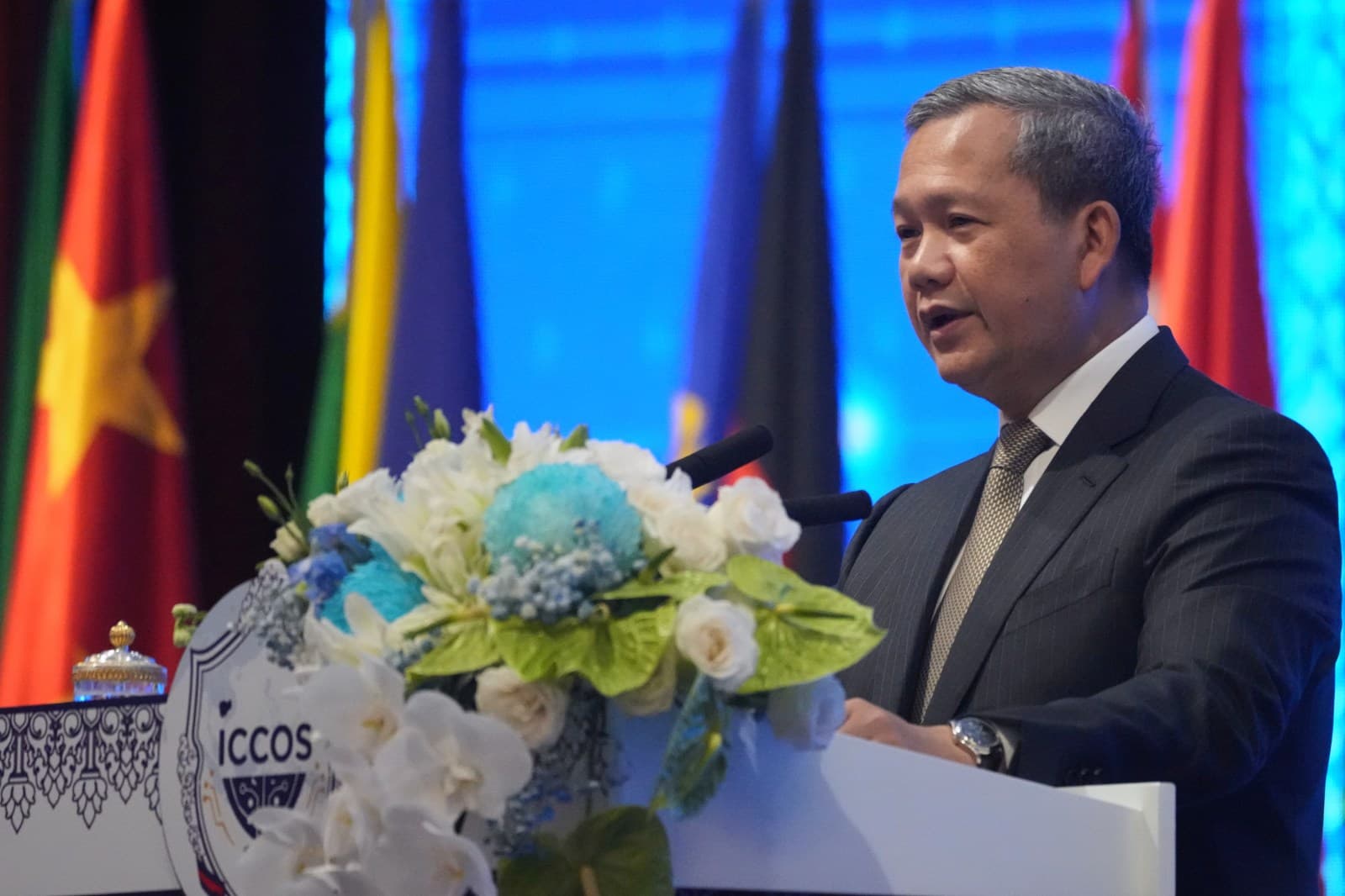
The timing of the book is hard to separate from Cambodian politics. In August 2023, Hun Sen handed the Prime Ministership to his son, Hun Manet. The book frames Hun Manet as a "reliable successor" who upholds his father's principles, according to GlobeNewswire. It also highlights Hun Manet's "strategic restraint" during border tensions with Thailand in late 2025.
International observers have flagged concerns about the political environment surrounding the transition. AP News has previously reported that elections in Cambodia saw a large number of spoiled ballots, viewed as silent protest. Opposition voices and Western NGOs describe books like this one as "hagiography" — meaning hero worship — designed to protect a one-party state from scrutiny.
Praise From Allies, Pushback From Rights Groups
Regional outlets have been enthusiastic. The Khmer Times called the book "essential reading for world leaders." Analysts in Dubai and New York reportedly view it as a "case study in crisis management," according to GlobeNewswire. Fari Sonita herself says the book is proof that "lasting stability is truly possible" when a leader refuses to abandon their nation.
But human rights advocates push back hard. Critics argue that the "peace" narrative is routinely used by Cambodian authorities to justify suppressing dissent — used to, as one activist put it, "arrest and put people in prison" under the banner of stability. The debate around the book mirrors a deeper argument about whether Hun Sen's legacy is one of salvation or control — and who gets to write that history.
Sentiment
NeutralNEGATIVENEUTRALPOSITIVE
Publishers
4
Articles
4
Reach
4
Topics
A
AnonymousAuthor