Gollum Film: AI for De-aging Only
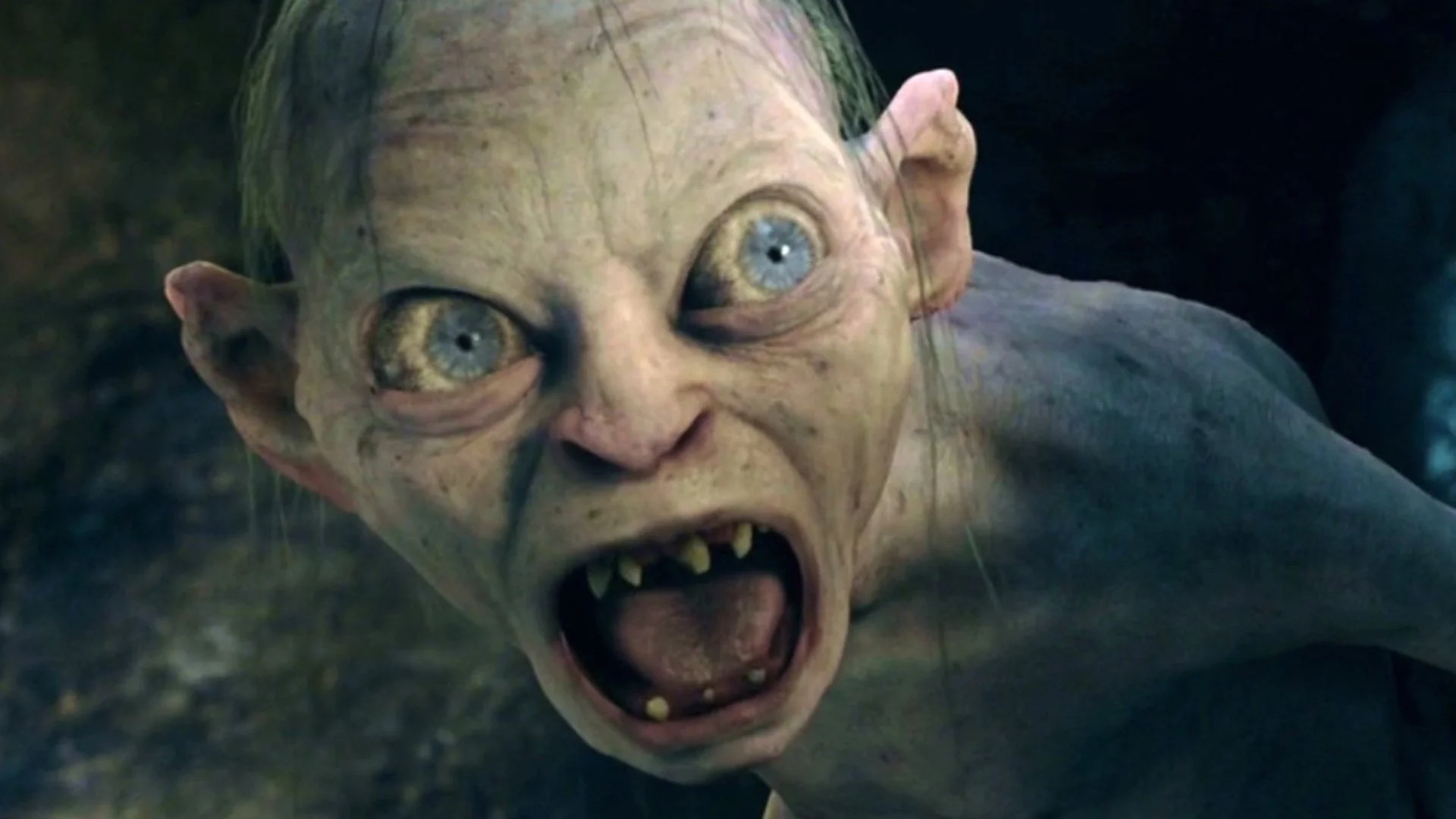
Andy Serkis confirms AI will de-age actors in 'Hunt for Gollum', preserving traditional film methods
Anonymous
Key Points
1
Serkis points to Peter Jackson's MASSIVE system as a landmark example of AI use in film, noting it allowed thousands of orcs to have their own individual mindsets, illustrating potential while preserving traditional workflows.
2
Only three actors are expected to be de-aged for The Hunt for Gollum: Ian McKellen, Elijah Wood, and Lee Pace.
3
Serkis frames AI as a valuable, non-exploitative tool and emphasizes its use for reference material, describing humans as the stewards guiding AI development.
4
Despite AI-generated fan imagery online, Serkis argues such images do not replace an actor's performance and underscores that storytelling and performance remain human-centered.
Andy Serkis has confirmed that AI will play only one role in The Lord of the Rings: The Hunt for Gollum — de-aging actors. No AI-generated shots are planned, according to SuperHeroHype. The rest of the film will be made the old-fashioned way.
Three actors are expected to be de-aged: Ian McKellen, Elijah Wood, and Lee Pace, according to JoBlo. Serkis, who is directing the film, wants to show younger versions of Gandalf and Frodo without replacing the actors or their performances.
AI De-Aging Solves the Prequel Problem
Prequels have long struggled with one issue: actors look older than their characters should. AI de-aging tackles that directly. Comic Book reports that Serkis confirmed AI will fix this specific problem — and nothing more. The technology will not generate scenes, replace extras, or build environments.
Serkis described AI as a "non-exploitative" tool. It gives filmmakers reference material and helps with de-aging. It does not step in for actors or take over the creative process. The storytelling, he stressed, stays human-centered.
Traditional Filmmaking Stays at the Core
The Hunt for Gollum will bring back practical effects. Miniatures and prosthetics — staples of Peter Jackson's original trilogy — will return alongside digital work, according to SuperHeroHype. Serkis wants to blend old and new, not swap one for the other.
Serkis pointed to Jackson's MASSIVE system as a landmark example of responsible AI use in film. That system gave thousands of individual orcs their own digital "mindsets," letting each one behave differently in battle. It expanded what was possible without cutting out the human craft behind the camera.
Serkis: AI Cannot Replace an Actor's Performance
Fans have posted AI-generated images of characters online. Serkis acknowledged this but pushed back. Those images do not equal a performance, he argued. A real actor brings something AI cannot prompt into existence — a full, sustained portrayal of a character across an entire story, according to AOL.
He warned against misuse and misrepresentation of AI in filmmaking. AI can handle brief, isolated moments when prompted. But the core craft — the choices an actor makes scene by scene — remains beyond what the technology can replicate today.
Debate Ahead Over Likeness Rights and AI in Hollywood
Even with Serkis's narrow definition of AI use, the film is likely to stir debate. De-aging still raises questions about likeness rights — who controls how an actor's face looks on screen, especially a younger version of it. JoBlo notes that Serkis frames humans as the "stewards" guiding AI, not its servants.
The industry is watching closely. If The Hunt for Gollum succeeds in using AI only for de-aging while keeping traditional methods intact, it could offer a model for other productions. The line between helpful tool and replacement technology remains the central question for Hollywood.
Sentiment
Mostly NegativeNEGATIVENEUTRALPOSITIVE
Publishers
13
Articles
8
Reach
21
A
AnonymousAuthor


