Boundary Waters Mine Moratorium
Minnesota Gov. Walz Suspends Boundary Waters Mining Permits, Shifting Decision to Successor
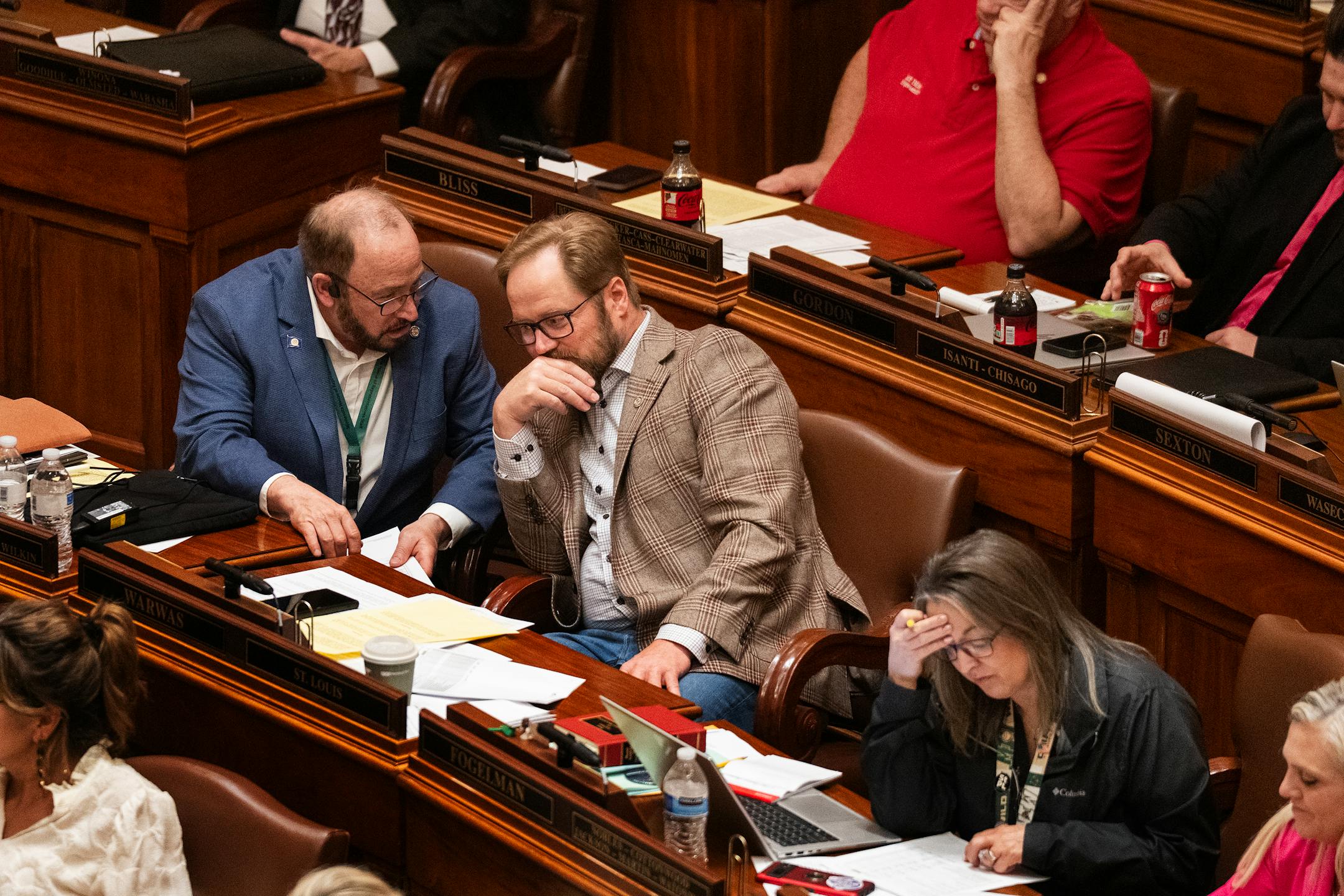
Minnesota Gov. Tim Walz signed an executive order directing state agencies to halt all permitting and review work on copper-nickel mines in the Boundary Waters watershed, according to Fresno Bee. The order also bars any new nonferrous mineral leases in the area and requires the state Department of Natural Resources to review existing leases.
The move shifts the fight over the proposed Twin Metals mine firmly to the state level. But the order comes with a deadline — it expires 90 days after Walz leaves office, meaning it lapses next April, Miami Herald reported.
What the Executive Order Actually Does
Walz's order tells state agencies to stop work on any permitting or reviews tied to copper-nickel mining in the Boundary Waters watershed while a related lawsuit is still pending. It goes further by blocking any new nonferrous mineral leases in the region, according to Kansas.com. Nonferrous minerals include copper and nickel — metals that Twin Metals wants to extract near the famous wilderness canoe area.
The DNR must also take a fresh look at old leases already on the books. That review could affect Twin Metals directly, since the company holds federal and state mineral leases that have been at the center of a long legal battle. The order does not cancel those leases outright, but it signals increased state scrutiny, Idaho Statesman reported.
A Ticking Clock: Order Expires 90 Days After Walz Leaves
The executive order is not permanent. It expires 90 days after Walz leaves office, which points to roughly April 2026. That gives the next governor three clear choices: extend the order, rescind it, or simply let it expire, according to Myrtle Beach Online.
Critics say Walz is deliberately handing a hot-button issue to his successor rather than resolving it himself. The timing puts pressure on whoever wins the Minnesota governor's race to take a clear stand on mining near the Boundary Waters.
Klobuchar's Concerns Add Political Pressure
Sen. Amy Klobuchar has expressed serious concerns about Twin Metals and its proximity to the Boundary Waters, according to Fresno Bee. That puts her at odds with some mining supporters and union workers in northern Minnesota who back the project for its job-creating potential.
Northern Minnesota mining towns have long relied on the iron range industry. Copper-nickel mining backers argue the Twin Metals project could bring hundreds of jobs to a region that needs them. Opponents warn that any spill or runoff near the Boundary Waters — one of the most visited wilderness areas in the country — could cause lasting damage to a watershed that draws millions of visitors and tourism dollars each year.
Twin Metals Battle Has Bounced Between Federal and State Hands
The Twin Metals project has been tied up in legal and political fights for years. The Biden administration moved to block the mine at the federal level, but legal challenges kept the project alive. Walz's order is a direct attempt to ensure Minnesota — not Washington — controls what happens next, Miami Herald reported.
The Boundary Waters Canoe Area Wilderness covers more than one million acres in northeastern Minnesota. It is one of the most visited wilderness areas in the United States. Scientists and environmental groups argue that sulfide-ore copper mining — the type Twin Metals would use — carries a high risk of acid drainage that could contaminate the watershed permanently.
Sentiment
NeutralPublishers
5
Articles
5
Reach
5


