Biometric Border Delay
EU Reportedly Delays Biometric Border Checks Across Nine Countries
Anonymous
Key Points
1
The EES began its rollout on 12 October 2025, and eu-LISA announced that progressive deployment was completed on 10 April 2026; German authorities also confirmed full operation at German airports and seaports from that April milestone.
2
The temporary flexibility framework allowed individual border crossings to suspend biometric collection for up to six hours during exceptional congestion, while continuing to record other passenger information. The framework included an initial 90-day period that could be extended by 60 days if fewer than 80% of new files contained biometric data.
3
French ferry operators described concrete disruption at Channel ports: Brittany Ferries president Jean-Marc Roué said passengers could not reasonably be expected to wait an additional three hours after a nine-hour crossing, while Manche Îles Express reported waits of up to three hours at Granville and said some English customers were abandoning the routes.
4
Eurostar chief executive Gwendoline Cazenave said after meeting French Interior Ministry officials that the priority was “maintaining border fluidity,” while Ryanair separately urged the EU to preserve the option of suspending EES checks until April 2027.
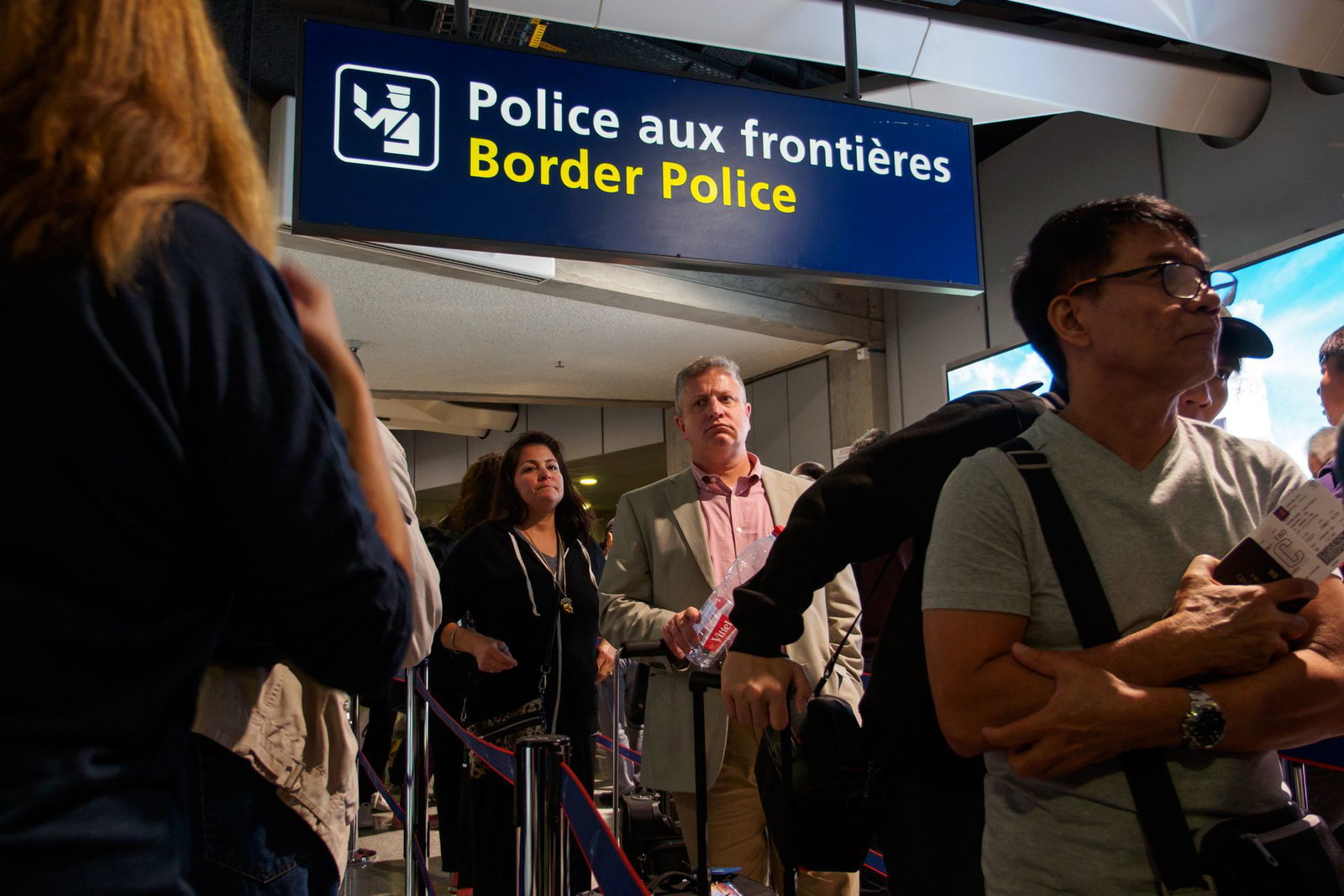
The European Union has quietly allowed nine countries to delay full enforcement of biometric border checks, according to travel industry reports. Travel Weekly and TravelMole confirmed that France, Germany, Italy, Belgium, the Netherlands, Greece, Malta, Portugal, and Switzerland received permission to extend flexibility beyond September 6, 2026, when the Entry/Exit System (EES) was supposed to go fully live. The system requires non-EU visitors, including British travelers, to provide fingerprints and facial scans at Schengen area borders.
Technical failures have made enforcement unreliable. Problems transmitting biometric data, retrieving traveler records, and processing passengers quickly have created fears of massive airport and port queues. Ferry operators and Eurostar already report severe disruptions. The European Commission has not officially confirmed the arrangement, meaning travelers should expect processing times and requirements to vary by border crossing.
System Rollout Completed But Issues Persist
The EES began rolling out on October 12, 2025. Chronicle reported that eu-LISA announced full deployment completion on April 10, 2026, with German authorities confirming the system operated at all German airports and seaports from that date. However, the biometric data collection has faced persistent technical snags that prevent smooth passenger processing at borders.
Ferry Operators Warn of Three-Hour Waits
Brittany Ferries president Jean-Marc Roué described real chaos at Channel ports. He said passengers cannot reasonably wait an additional three hours after a nine-hour sea crossing. Manche Îles Express reported waits stretching up to three hours at Granville, with some English customers abandoning the ferry routes entirely. Transport groups have pressured the EU to avoid strict enforcement until technology works reliably.
Temporary Flexibility Framework Now Extended
The original flexibility arrangement allowed individual border crossings to suspend biometric collection for up to six hours during peak congestion. The framework had a 90-day initial period, extendable by 60 days if fewer than 80% of new traveler files contained biometric data. TTG Media and The Traveler reported that the nine countries have now received permission to continue this flexibility beyond the original September 6 deadline.
Airlines and Transport Push for Longer Delay
Eurostar chief executive Gwendoline Cazenave met with French Interior Ministry officials and emphasized the need for "maintaining border fluidity." Ryanair separately urged the EU to preserve the option of suspending EES checks until April 2027. Both companies argue that enforcement must wait until the system reliably handles passenger volume without creating dangerous border bottlenecks across Europe's busiest crossing points.
Sentiment
Mostly NegativeNEGATIVENEUTRALPOSITIVE
Publishers
33
Articles
22
Reach
55
A
AnonymousAuthor


