NATO Baltic Air Policing
Spanish NATO Fighters Escort Unidentified Russian Surveillance Aircraft Over Baltic Sea
Anonymous
Key Points
1
The Russian surveillance aircraft was reportedly approaching from the area of St. Petersburg, adding geographic context to the encounter over the Baltic Sea.
2
The mission was ordered by NATO’s Combined Air Operations Center in Uedem, Germany, which directs alliance surveillance and air-defense operations in the region.
3
Commander Antonio Mancebo Marín, head of the Ámbar detachment, said the activation showed the unit was “ready to respond quickly and accurately when ordered by NATO’s chain of command,” crediting the training and daily work of its personnel.
4
Spain’s deployment operates alongside allied aircraft in the Baltic mission: Turkish F-16s also fly from Ämari, while Italy contributes Eurofighters from Siauliai Air Base in Lithuania.
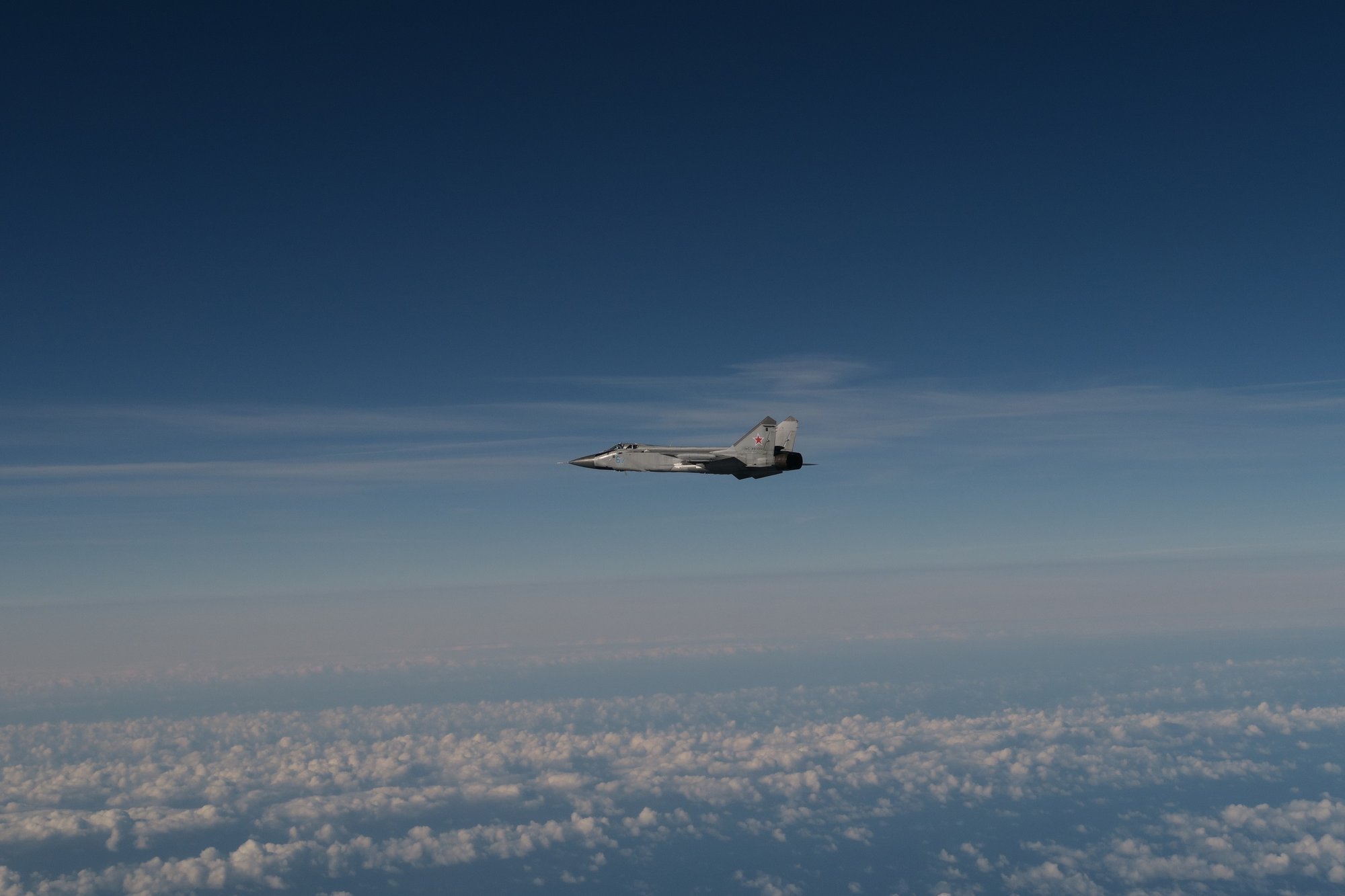
NATO allies scrambled Spanish fighter jets on September 22, 2026, to intercept a Russian surveillance aircraft over the Baltic Sea. Two EF-18M fighters from Spain's Ámbar detachment, based in Estonia, identified and escorted the unidentified aircraft after it approached from the St. Petersburg area with no flight plan, transponder off, and no radio contact with civilian air-traffic control Nordic Defence Sector. The Russian plane stayed outside allied airspace and the Spanish jets returned safely to base.
The mission marked the first "Alpha Scramble" response by Spain's tactical air unit and demonstrated NATO's enhanced air-defense operations across the Baltic region United24media. Spain deployed about 110 personnel and four fighters to the region, where they work alongside Turkish F-16s and Italian Eurofighters to monitor increased Russian military activity.
How NATO's Air-Defense System Works
NATO's Combined Air Operations Center in Uedem, Germany, ordered the scramble response United24media. When an unidentified aircraft enters monitored airspace without proper identification procedures, NATO's integrated command system can instantly authorize the closest available fighters to launch. The Ámbar detachment's Spanish jets responded from Ämari Air Base in Estonia within minutes.
Commander Antonio Mancebo Marín praised his pilots' readiness, saying the activation proved the unit was "ready to respond quickly and accurately when ordered by NATO's chain of command." The daily training and coordination among Spanish, Turkish, and Italian air units ensures seamless operations across the Baltic region's shared airspace.
Spain's Growing Role in Baltic Defense
Spain deployed its Ámbar detachment as part of NATO's broader effort to reinforce eastern allies against Russian military activity Daily Mail. The 110-person contingent operates four EF-18M fighters—the Spanish variant of the F/A-18 Super Hornet—from Ämari Air Base in Estonia. This mission represents Spain's expanding commitment to NATO's air-policing role in the sensitive Baltic region.
Spain works alongside Turkish pilots flying F-16s from the same Estonian base and Italian pilots with Eurofighters stationed at Siauliai in Lithuania Voice of Emirates. The multinational presence reflects NATO's strategy to distribute air-defense responsibilities and ensure continuous coverage. Russian aircraft regularly test allied airspace boundaries, making these rotations critical to regional security.
Why Russia Keeps Testing Baltic Airspace
The September 22 incident follows a pattern of Russian military probing in the Baltic Head Topics. Aircraft operating without transponders or flight plans force NATO to spend resources identifying and escorting them, testing allied response times and resolve. The approach from St. Petersburg's direction suggests Russia regularly monitors NATO activity from bases near the border.
Just two days later, on September 24, Finland and Sweden conducted their first joint fighter interception of Russian aircraft over the Gulf of Finland Nordic Defence Sector. These coordinated Baltic responses show NATO allies are tightening air-defense coordination in response to sustained Russian activity. The escalating encounters signal a dangerous new normal in Northern European skies.
Sentiment
Mostly NegativeNEGATIVENEUTRALPOSITIVE
Publishers
32
Articles
61
Reach
93
A
AnonymousAuthor


