Hormuz Closure Escalates Tensions
Iran Closes Strategic Strait of Hormuz Amid Explosions, Escalating Regional Conflict
Anonymous
Key Points
1
Iranian state outlets reported explosions in Bandar Abbas and on Qeshm Island, with IRNA describing the incidents as 'hostile attacks' and Mehr noting the death of the Hormozgan province telecommunications chief on Qeshm alongside injuries to two other staff.
2
Explosions near fuel tanks at Kuwait International Airport were reported, indicating intensified cross-border strikes alongside incidents in Iranian cities such as Bushehr and Sirik.
3
Axios, citing a U.S. official, reported that an IRGC missile struck a commercial cargo ship attempting to transit the Strait of Hormuz, causing heavy damage to the vessel.
4
Markets have priced in a lower likelihood of a US-Iran peace deal by end-July 2026, with YES odds at 37.5%—down from about 61% a day earlier—reflecting escalating tensions and reduced diplomatic expectations.
5
Observers note potential mediation by regional players such as Oman and Qatar, which could influence market expectations and the trajectory of diplomatic talks amid the recent flare-up.
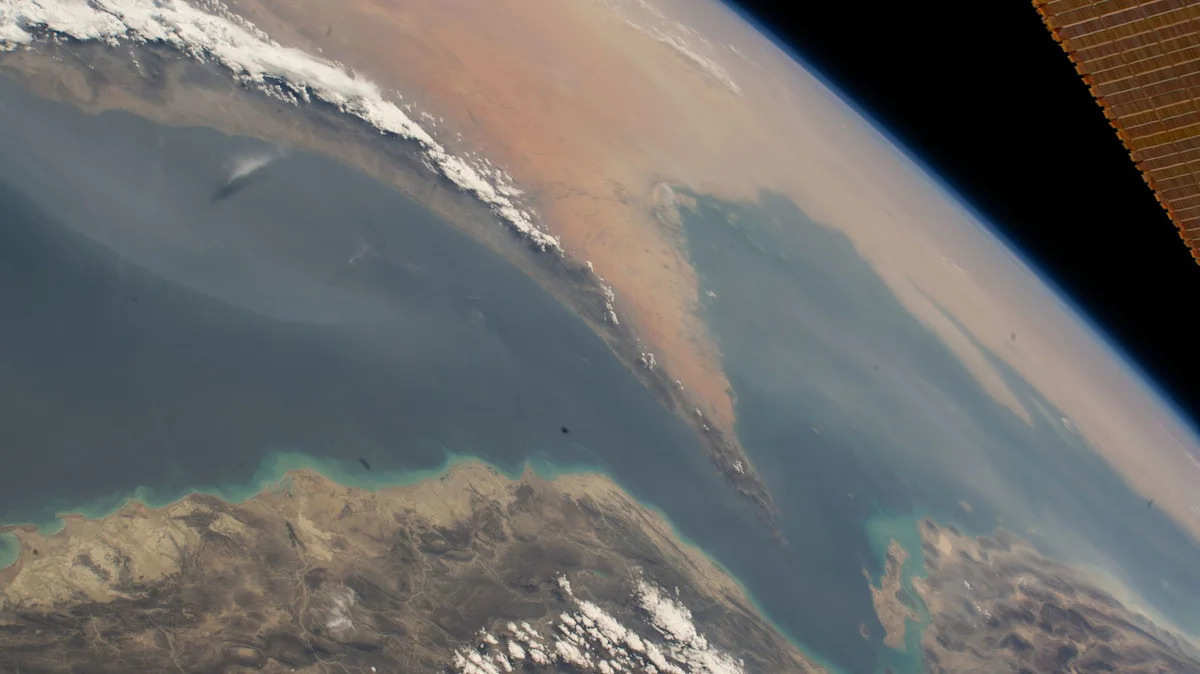
Iran's Revolutionary Guard Corps has closed the Strait of Hormuz to shipping until further notice, following a wave of explosions along Iran's southern coast. Yahoo News reported blasts near the port city of Bandar Abbas and Qeshm Island, which Iranian state media described as 'hostile attacks.'
The closures and strikes are rippling across the region. Axios, citing a U.S. official, reported that an IRGC missile struck a commercial cargo ship trying to transit the Strait, causing heavy damage. Explosions were also reported near fuel tanks at Kuwait International Airport, signaling the conflict is spreading beyond Iran's borders. Crypto Briefing noted both Washington and Tehran are now claiming control over the critical waterway.
Explosions Hit Southern Iran from Bandar Abbas to Bushehr
Multiple cities along Iran's southern coast took hits in rapid succession. Voice of Emirates reported explosions in Hormozgan and Khuzestan provinces, with blasts confirmed in Bandar Abbas, Sirik, Bushehr, and Asaluyeh. Iranian authorities called the incidents hostile attacks and warned of further escalation.
Yahoo News reported that Iran's state news agency IRNA described the strikes as targeting key infrastructure near the port and island of Qeshm. The head of Hormozgan province's telecommunications office was killed on Qeshm, with two additional staff injured, according to Yahoo News, citing the Mehr News Agency.
Hormuz Closure Triggers Strike on Commercial Shipping
The Strait of Hormuz is the world's most critical oil chokepoint. About 20% of global oil supply passes through it each day. Iran's decision to close the strait cuts off that flow and threatens energy markets worldwide.
Axios reported that an IRGC missile hit a commercial cargo vessel attempting to cross the strait after the closure was announced. The ship suffered heavy damage. Ynet News noted that both Iran and the U.S. are claiming authority over the waterway, creating a direct standoff at sea that could block tankers and trigger further military responses.
Kuwait Explosions Signal the Conflict Is Spreading Fast
The violence is no longer contained to Iran. Ynet News reported a column of smoke rising near Kuwait, with explosions confirmed near fuel storage facilities at Kuwait International Airport. Kuwait sits just across the Persian Gulf from Iran and hosts several U.S. military assets.
Crypto Briefing reported that the Kuwait blasts followed earlier cross-border strikes tied to the broader 2026 Iran war, which started with U.S. and Israeli strikes earlier this year. The incidents suggest Iran or its allied forces are expanding their targeting beyond their own territory in retaliation.
Markets Slash Odds on US-Iran Diplomacy After Blasts
Financial markets are pricing in a much grimmer outlook for diplomacy. Prediction market odds for a US-Iran peace deal by July 31, 2026 collapsed to 37.5% — down sharply from about 61% just one day earlier. Odds for Iran reconstruction funding dropped to 32.5%, from 34%.
Analysts say regional powers like Oman and Qatar could still step in as mediators, which might slow the slide in diplomatic expectations. But with the Strait of Hormuz closed, a commercial ship damaged, and explosions spreading to Kuwait, any near-term deal looks increasingly unlikely. Observers urge close monitoring of official statements as the situation changes quickly.
Sentiment
Mostly NegativeNEGATIVENEUTRALPOSITIVE
Publishers
12
Articles
9
Reach
21
Topics
A
AnonymousAuthor


