Eclipse and Meteors Unite
Upcoming 2026 Solar Eclipse to Align with Perseid Meteor Shower, Streamed Globally
Key Points
New York's Albany area was forecast to see about 13% of the sun obscured, while Buffalo would see about 7.5% during the Aug. 12, 2026 partial eclipse; the NY viewing window is roughly from 12:51 p.m. to 2:45 p.m.
The 2026 partial eclipse coincides with the Perseid meteor shower, with observers potentially seeing 50 to 100 meteors per hour at peak as the Moon is new—creating a rare double-celestial event.
In Wales, the Met Office forecasts suggest West Wales and parts of South and Mid Wales will offer the best viewing, with Pembrokeshire potentially delivering up to 96% sun obscuration; timings indicate maximum coverage around 7 p.m. and clear skies by 8 p.m. in many areas.
NASA’s 2026 eclipse streams are planned across six platforms (Netflix, X, Discovery+, YouTube, Amazon Prime Video, NASA+), with Iceland viewing around 1:45 p.m. ET and Spain around 2:28 p.m. ET, benefiting from a European prime-time window; NASA’s live broadcast is scheduled to begin at 1:15 p.m. ET.
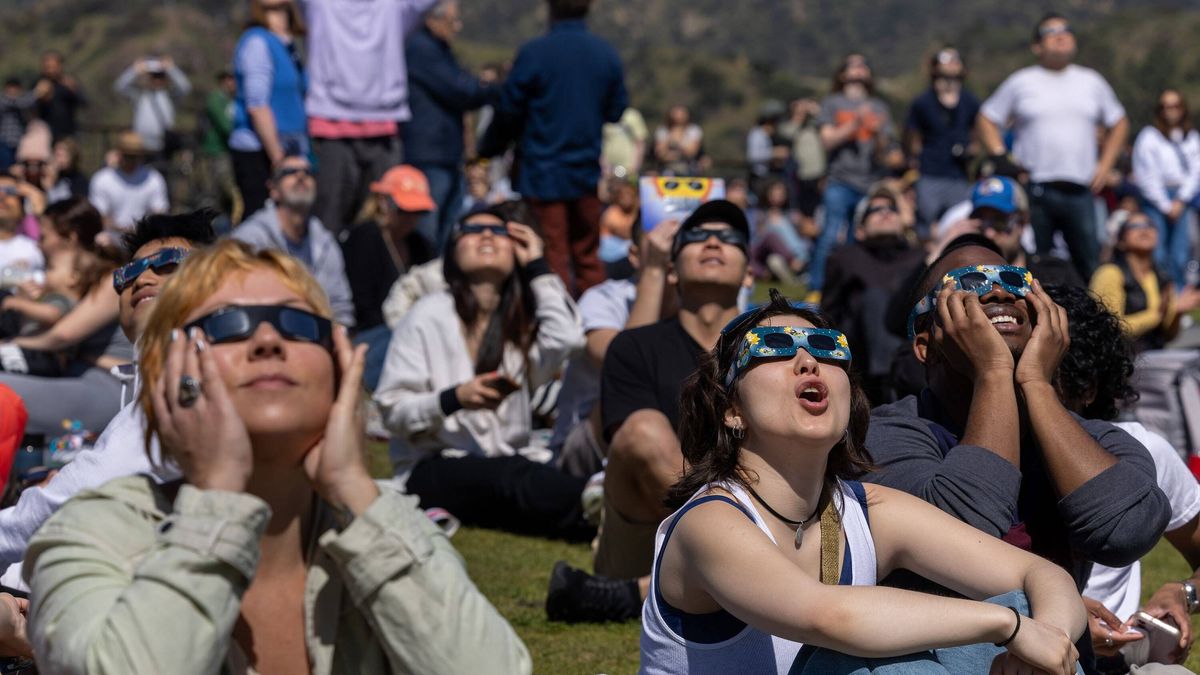
Thousands of people across the Hudson Valley stepped outside on April 8, 2024, to watch a total solar eclipse that lasted 3 minutes and 39 seconds — a once-in-a-generation sky show, according to Lohud. Now, skywatchers are already looking ahead to the next big event: a partial solar eclipse on August 12, 2026, visible from parts of the United States.
The 2026 eclipse's path of totality runs through Spain, Iceland, and Greenland. Most Americans will only catch a partial view — but for some states, it will still be a dramatic sight, according to Audacy.
What New York and New Jersey Viewers Can Expect
New Yorkers will see a noticeable slice of the sun blocked on August 12, 2026. Albany can expect about 13% of the sun covered. Buffalo will see around 7.5% obscured. The viewing window for New York runs roughly from 12:51 p.m. to 2:45 p.m. ET, according to Head Topics.
New Jersey viewers will hit peak eclipse coverage between 1:50 p.m. and 1:56 p.m. ET, with most locations peaking around 1:53 p.m. ET. The partial eclipse won't go dark — but the sun will look like it has a clear bite taken out of it, according to CN Traveler.
Wales Could See 96% Sun Coverage at Peak
Across the Atlantic, Wales is set for a far more dramatic experience. The Met Office says West Wales and parts of South and Mid Wales will have the clearest skies. Pembrokeshire could see up to 96% of the sun blocked, according to Wales Online.
Maximum coverage in Wales is expected around 7 p.m. local time. Skies are forecast to clear in many areas by 8 p.m. — giving observers a solid window to watch, according to Wales Online.
NASA Plans Massive Six-Platform Live Stream
NASA is pulling out all the stops for 2026. The agency will stream the eclipse live on six platforms: Netflix, X, Discovery+, Amazon Prime Video, YouTube, and NASA+. The broadcast starts at 1:15 p.m. ET. Iceland viewers will be featured around 1:45 p.m. ET, and Spain around 2:28 p.m. ET, according to Audacy.
This builds on NASA's Emmy-winning 2024 eclipse broadcast, which drew millions of viewers worldwide. The 2026 stream aims to reach an even bigger global audience by tapping into a European prime-time window, according to CN Traveler.
Perseid Meteor Shower Adds a Rare Double Spectacle
August 12 is already a big night for skywatchers even without the eclipse. The Perseid meteor shower peaks on the same day. Observers could see 50 to 100 meteors per hour at peak. Because the Moon is new — meaning it won't brighten the sky — conditions are nearly perfect for meteor watching, according to Audacy.
A new Moon combined with a partial solar eclipse on the same night is rare. Skywatchers willing to stay out after the eclipse ends could catch a full Perseid show. Experts say this kind of double celestial event won't come around again for years, according to CN Traveler.
Sentiment
Mostly NegativePublishers
24
Articles
124
Reach
148


