Lancashire PFOA Contamination
Elevated PFOA Chemical Levels Found in Lancashire Residents Near Factory
Anonymous
Key Points
1
Because the UK has no comparable PFOA exposure limit, researchers assessed the results against guidelines used in Germany and the United States; more than 70% of participants exceeded those benchmarks.
2
AGC estimated that 115 tonnes of PFOA were released from the site into the air, soil, water and landfill between 1950 and 2012. After PFOA use ended, the factory switched to EEA-NH4; the article reported that its discharge permit allowed 783kg of the substitute into the Wyre each year.
3
The blood testing was conducted by Manchester Metropolitan University and paid for by investigative journalists Watershed and Law for Change.
4
In February, the Health and Safety Executive found that EEA-NH4 warranted classification as a substance that may cause harm to an unborn child.
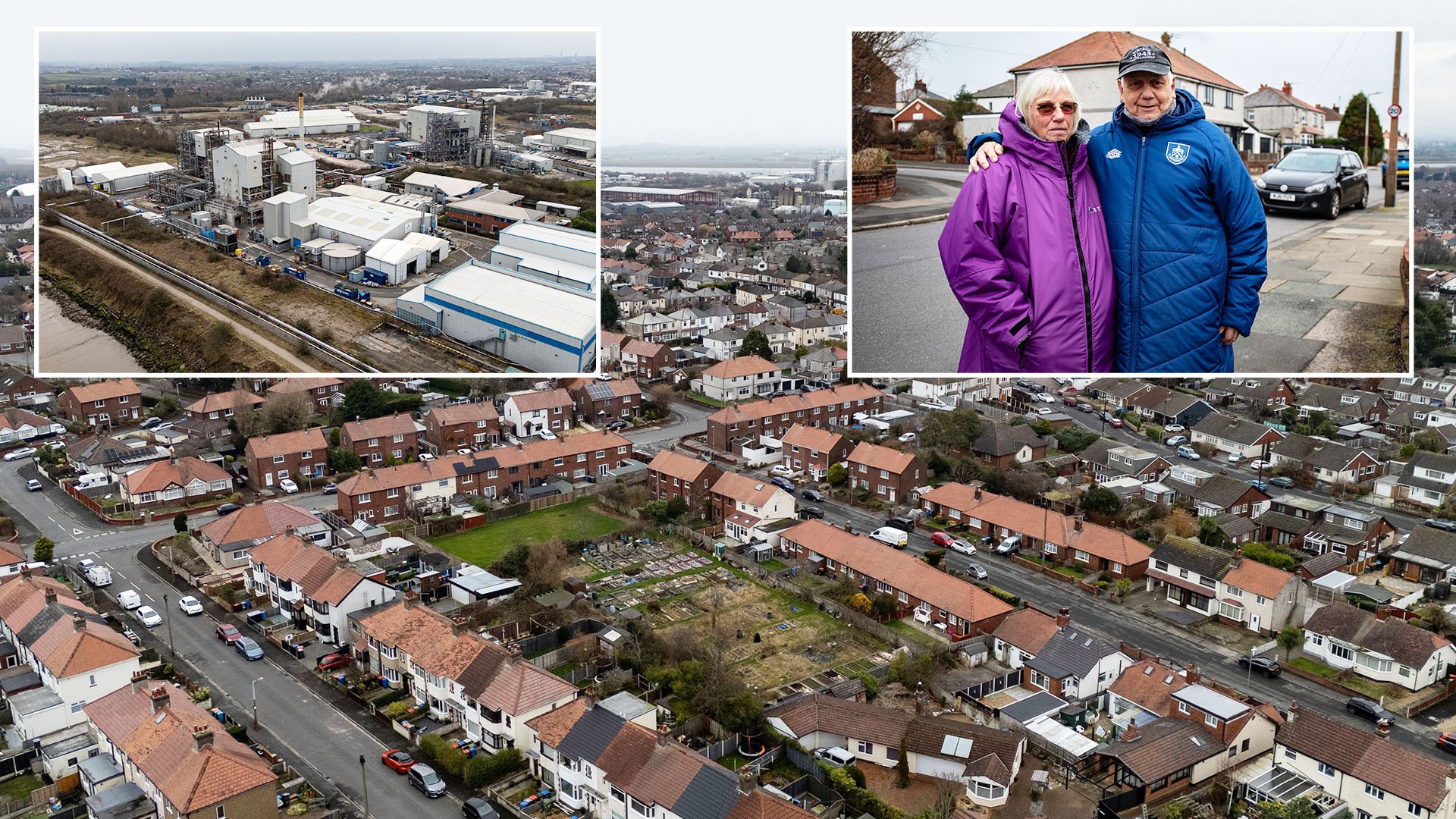
Nearly 70% of 49 residents tested in Thornton-Cleveleys, Lancashire have elevated levels of PFOA—a cancer-causing 'forever chemical'—in their blood, Manchester Evening News reported. One resident's levels were about 100 times higher than the population average. The contamination traces back to an AGC Chemicals factory that used PFOA in coatings, including non-stick frying pan coatings, until 2012.
PFOA, banned in the UK in 2020, was classified as a Group 1 carcinogen by the World Health Organization. Testing found the chemical in soil, eggs, and homegrown vegetables near the factory. Authorities closed two allotment sites and warned residents within roughly one kilometer to avoid garden produce and backyard poultry eggs.
Blood Tests Show Dangerous Contamination Levels
The blood testing, conducted by Manchester Metropolitan University and funded by investigative journalists Watershed and Law for Change, assessed results against guidelines from Germany and the United States. The UK has no comparable PFOA exposure limit. More than 70% of the 49 participants exceeded international safety benchmarks, Metro reported.
One resident's blood levels were roughly 100 times the population average. Test results indicate potential health risks but do not mean residents will necessarily become ill, experts cautioned.
AGC's Massive PFOA Release Spanned Decades
AGC Chemicals Europe estimated that 115 tonnes of PFOA were released from the site into air, soil, water, and landfill between 1950 and 2012. The chemical was used in manufacturing non-stick coatings before the company halted PFOA production. Production and environmental contamination continued for over six decades at the Thornton-Cleveleys location.
After stopping PFOA use, the factory switched to a substitute called EEA-NH4. Its discharge permit allows 783 kilograms of the replacement chemical into the Wyre River each year. In February, the Health and Safety Executive found that EEA-NH4 may cause harm to unborn children, Manchester Evening News reported.
Residents Face Health Fears and Pursue Legal Action
Residents described shock and distress after learning of the contamination. More than 100 people are considering legal action against AGC Chemicals, UK Headtopics reported. Many live in fear about what the high PFOA levels mean for their future health and family safety.
Authorities advised roughly 1,000 residents within one kilometer of the factory to stop eating homegrown vegetables and eggs from backyard chickens. Two allotment sites were temporarily closed. The contamination revealed how long-term industrial chemical use can seep into communities with little warning.
PFOA: A Chemical That Never Breaks Down
PFOA is called a 'forever chemical' because it does not break down in the environment or the human body. Once in your blood, it stays there. The World Health Organization classified PFOA as a Group 1 carcinogen in 2023, meaning there is strong evidence it causes cancer in humans.
The UK banned PFOA in 2020, years after the United States restricted it. However, the chemical's 62-year presence at the Thornton-Cleveleys factory means residents will face ongoing exposure risks from contaminated soil and groundwater for years to come.
Sentiment
Mostly NegativeNEGATIVENEUTRALPOSITIVE
Publishers
26
Articles
28
Reach
54
Topics
A
AnonymousAuthor


