Vaccine Policy Debate
Dr. Oz Defends MMR Vaccine Safety Amidst Disputed Claims of Lethal Risks
Key Points
Japan banned the combination MMR vaccine in 1993 after links between the mumps component and aseptic meningitis were observed, leading to a shift toward separate measles and rubella vaccines and an optional separate mumps vaccine; this history helps explain why Merck and health officials say three separate shots are not feasible in the U.S. for years.
In the U.S., there are two versions of the combined MMR vaccine currently available, but separate shots for measles, mumps, and rubella are not offered; Merck has indicated that providing three separate shots would not be feasible for at least another 10 years.
CDC vaccination data cited during the discussion show 92% of kindergartners were vaccinated for measles in the last school year, which falls short of the 95% herd immunity threshold many public health experts say is needed to prevent outbreaks.
Sen. Bill Cassidy, who chairs the Senate HELP Committee, expressed concerns that requiring or encouraging separate MMR injections could impose additional logistical burdens on families, such as more time off work, complicating access to vaccines.
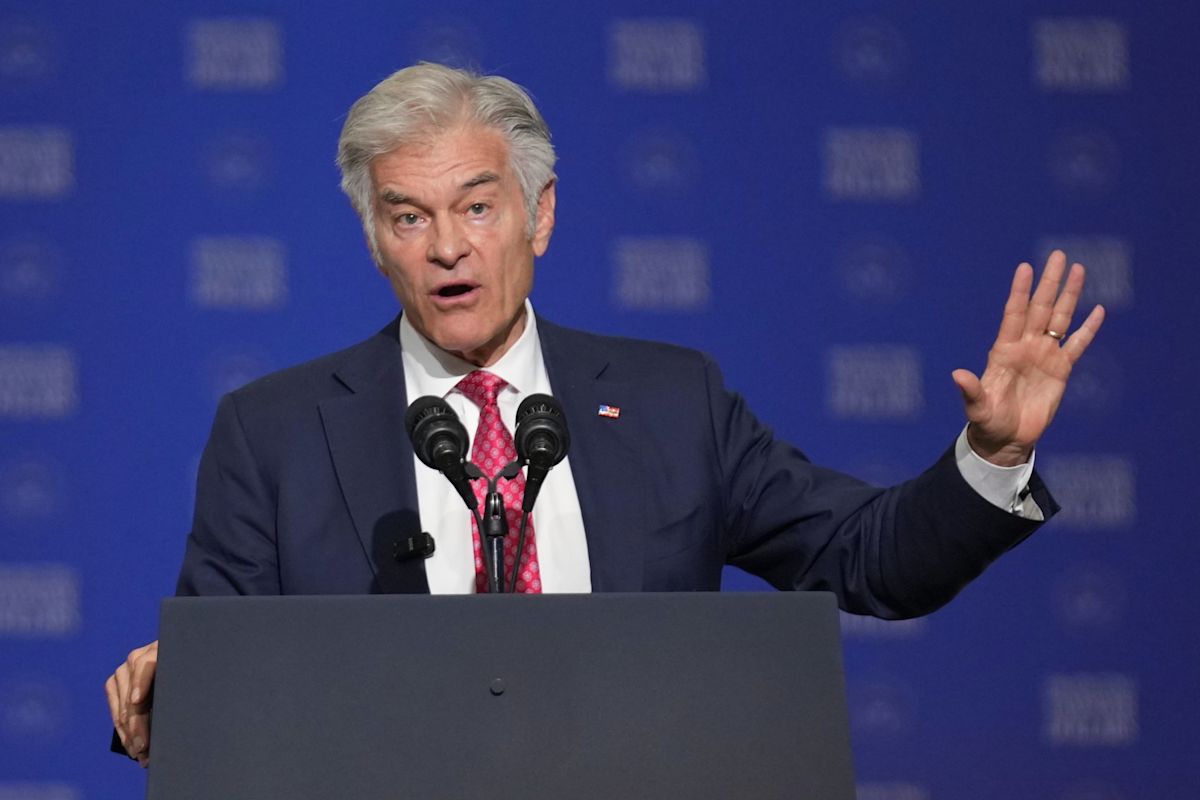
Dr. Mehmet Oz, head of the Centers for Medicare and Medicaid Services, stated that the MMR vaccine is "not a lethal vaccine," directly contradicting President Trump's claim that the combined measles, mumps, and rubella shot could be "quite lethal" The Hill. Oz acknowledged that some parents want the option to split the three-component vaccine into separate injections, but emphasized that current medical evidence supports the combined approach and that any changes face major practical obstacles.
Oz Clarifies MMR Safety Amid Trump Claims
Dr. Oz pushed back against the president's assertion that combined MMR vaccines pose a lethal risk Newsweek. Oz stated the vaccine is safe and aligns with doctor recommendations for immunization schedules. He also acknowledged parental concerns about vaccine timing and flexibility. However, he did not endorse Trump's specific proposal to require or mandate separate shots NY Post.
Medical experts and vaccine manufacturers reject Trump's lethal claim. Merck, which produces the MMR vaccine, has stated that offering three separate shots would not be feasible in the U.S. for at least a decade. The combined vaccine has been used safely for decades in American pediatric practice.
Japan's History Explains Current U.S. Limitations
Japan banned the combination MMR vaccine in 1993 after observing links between the mumps component and aseptic meningitis cases. This led Japan to shift toward separate measles and rubella vaccines, with mumps given as an optional separate shot. This historical precedent helps explain why Merck and U.S. health officials say separate MMR shots are not immediately available in America.
Currently, two versions of the combined MMR vaccine exist in the U.S., but separate injections for measles, mumps, and rubella are not offered to the public. Merck has indicated production and regulatory challenges would delay any shift for roughly 10 years.
Vaccination Rates Fall Short of Herd Immunity Goals
Recent CDC data show that 92% of kindergarteners were vaccinated for measles in the last school year. This falls below the 95% herd immunity threshold that public health experts say is needed to prevent outbreaks. Lowering vaccination rates through logistical barriers could push immunity even further below safe levels.
Critics warn that requiring separate MMR shots would create practical burdens for families, including more time off work and multiple doctor visits. Senator Bill Cassidy, who chairs the Senate HELP Committee, expressed concern that additional injections would complicate vaccine access and compliance Yahoo News.
Balancing Parental Choice With Public Health Standards
Oz supported preserving parental autonomy while emphasizing that doctors' recommendations should guide vaccine decisions. He noted that states set their own vaccine requirements and that any policy changes would require coordination across medical, regulatory, and manufacturing systems. The goal, he said, is flexibility without undermining trust in established immunization practices.
Health authorities stress that current MMR vaccine practice remains safe and standard. The broader debate reflects political scrutiny of vaccine policy ahead of elections, but scientific consensus holds that the combined vaccine carries no lethal risk and remains the most practical and effective option for preventing measles, mumps, and rubella.
Sentiment
Mostly NegativePublishers
11
Articles
50
Reach
61


