Florida Healthcare Disruption
Florida Health Officials Warn Senior Care Will Suffer as Haitian Workers Lose TPS
Anonymous
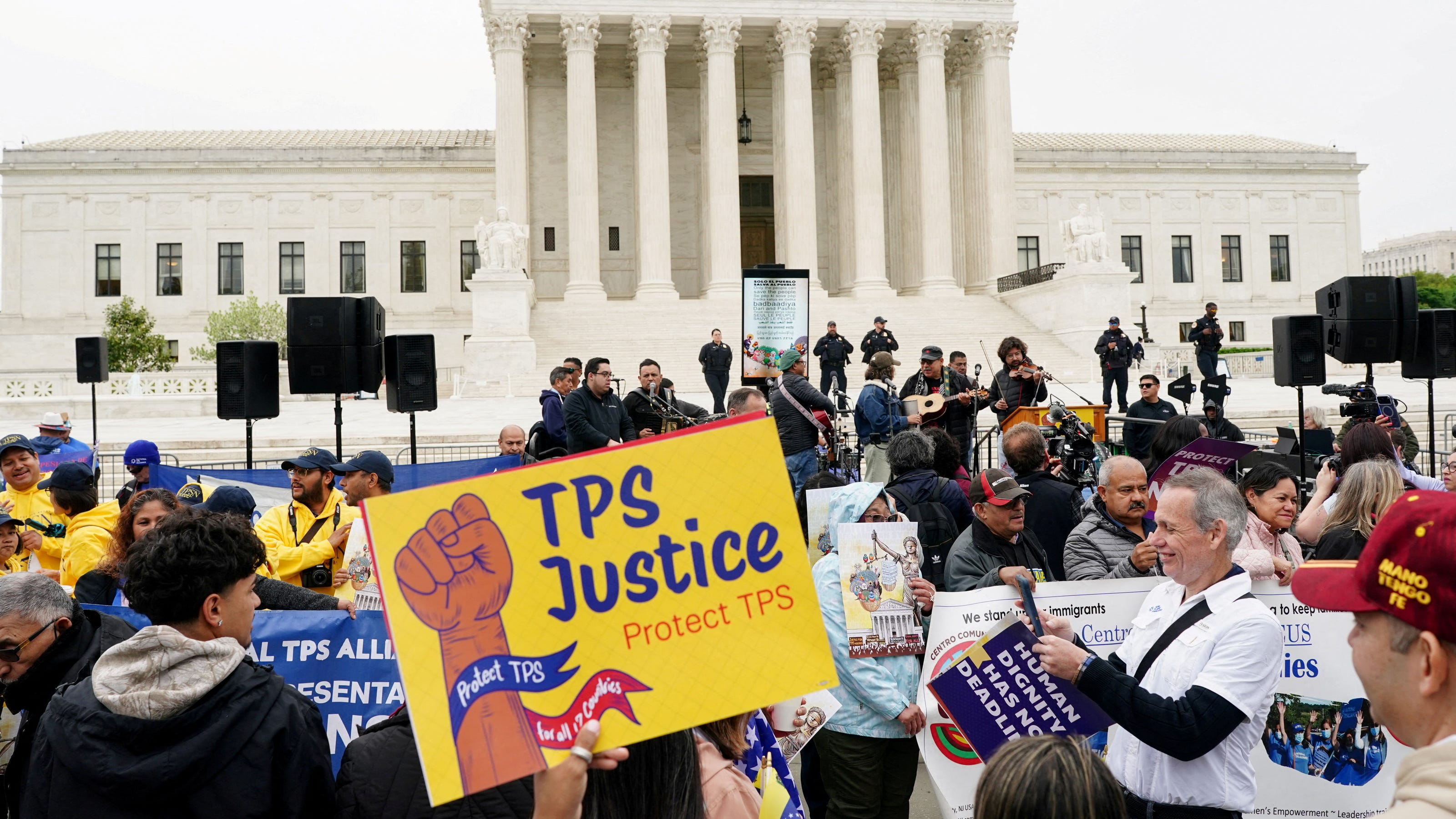
A Supreme Court ruling has cleared the way for the U.S. government to revoke Temporary Protected Status — a form of legal protection — for roughly 145,000 Haitian nationals living in Florida. Their work authorization expires July 10, and health officials are warning the state's elderly population will feel the consequences fast. Palm Beach Post reported that around 25% of Florida's elder care workforce is made up of Haitian TPS holders.
Florida has one of the largest and fastest-growing senior populations in the country. Experts say removing tens of thousands of care workers at once would destabilize care for hundreds of thousands of aging Floridians. Industry leaders and advocates are urging the federal government to act before the deadline hits.
Supreme Court Ruling Opens Door to Mass TPS Revocations
The Supreme Court recently ruled that the federal government has the authority to end TPS protections for Haitian nationals. TPS is a program that lets people from countries hit by disasters or conflict live and work legally in the U.S. for a set period. The Trump administration moved quickly to revoke the status for Haitians after the ruling came down, according to Jacksonville.com.
The July 10 deadline is when Haitian TPS holders lose the right to work legally in the United States. After that date, they could face deportation. Advocates say the timeline gives workers, employers, and patients almost no time to adjust, according to TC Palm.
One in Four Elder Care Workers Faces Sudden Removal
Haitian immigrants make up about 25% of Florida's elder care workforce, according to The News-Press. They work as home health aides, nursing assistants, and caregivers in assisted living facilities. These are jobs that already face severe shortages. Losing a quarter of that workforce in one stroke would be, in the words of one health official, a crisis for the state's seniors.
Florida is home to more residents aged 65 and older than almost any other state. Demand for elder care workers is rising, not falling. Ocala.com reported that health officials fear gaps in care would emerge almost immediately after the July 10 deadline, leaving vulnerable seniors without help for daily needs like bathing, meals, and medication.
Industry Leaders Push for a Path to Legal Status
Healthcare industry groups and advocacy organizations are calling on Congress and the White House to create a pathway to lawful immigration status for Haitian care workers. They argue these workers are essential to the state's health infrastructure. The Ledger reported that industry leaders stress there is no realistic replacement workforce available to fill the void.
Supporters say deporting workers who have lived and worked legally in the U.S. for years — many with deep community ties — makes little economic or humanitarian sense. Daily Commercial noted that advocates want a legislative fix before July 10, though no such solution has been passed as of now.
Clock Is Ticking With No Federal Fix in Sight
With the July 10 deadline weeks away, there is no federal plan in place to extend work authorization or offer an alternative path for the 145,000 affected Haitians. Gainesville.com reported that health officials and employers are left in limbo, unable to plan for the sudden loss of a large share of their workforce.
Experts warn the effects will not stay inside hospitals and care homes. If seniors lose access to home-based care, more of them may end up in emergency rooms or need costlier institutional care. News-Journal Online reported that the ripple effects could strain Florida's broader healthcare system at a time when it is already stretched thin.
Sentiment
NeutralNEGATIVENEUTRALPOSITIVE
Publishers
12
Articles
11
Reach
12
A
AnonymousAuthor


