Aqaba Threat: Conflicting Reports
Jordanian Authorities Evacuate, Clear Aqaba Ports Amid US Threat Warnings and Regional Tensions
Anonymous
Key Points
1
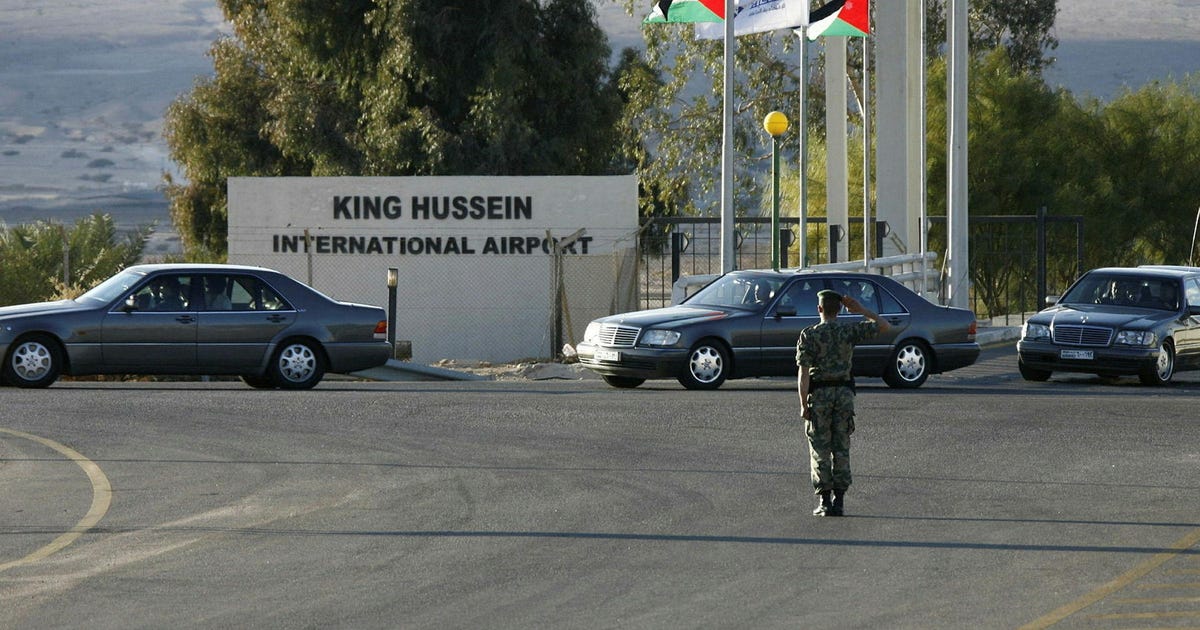
Jordanian officials publicly denied evacuation orders for Aqaba’s airport and seaport, with Petra News Agency reporting that no such orders had been issued, contrasting with US claims of a 'specific and credible threat' and contributing to confusion amid reporting of two US soldiers killed in a related Iranian strike.
2
The US Embassy in Amman urged Americans to avoid travel to Aqaba International Airport and Aqaba Seaport and to follow Jordanian security directives, noting the proximity of Aqaba to Eilat and the triggering of air raid sirens amid regional tensions.
3
Casualty context surrounding the incident: two US troops were killed in an Iranian attack on a US base in Jordan on Friday, with one soldier reported as missing, underscoring the broader regional security crisis surrounding Aqaba.
4
In the broader advisory framework, the US Department of State had ordered non-emergency US government employees and their families to leave Jordan on March 2, 2026, and the US Embassy in Amman provided extensive guidance for travelers, including contacting airlines for flight changes and enrolling in the Smart Traveler Enrollment Program (STEP).
Jordan's port city of Aqaba was thrown into confusion after the U.S. Embassy in Amman warned Americans of a "specific and credible threat" and said authorities had evacuated both the international airport and seaport, according to Haaretz and Newsmax. Jordanian officials quickly pushed back, with government spokesman Mohammad Al-Momani flatly denying any evacuation orders had been issued, according to Middle East Eye and Times of Israel.
The incident unfolded against a backdrop of serious regional violence. Two U.S. soldiers were killed in an Iranian attack on a U.S. base in Jordan, with one soldier reported missing, according to CTV News. Air raid sirens sounded across the region, and Israel's military warned that Iranian missiles could spill across its borders.
US Embassy Warns of Credible Threat, Jordan Says Otherwise
The U.S. Embassy told Americans to avoid Aqaba International Airport and Aqaba Seaport entirely. It cited a "specific and credible threat" and urged citizens to follow Jordanian security directives, according to Newsmax. The embassy also advised travelers to contact airlines about flight changes and to enroll in the Smart Traveler Enrollment Program, known as STEP.
Jordan's government disputed the U.S. account directly. Spokesman Al-Momani said no evacuation orders had been given, according to Middle East Eye. Times of Israel also reported Jordan's denial that its airport and seaport in Aqaba were evacuated following the U.S. warning. The conflicting statements left travelers and observers scrambling to understand what was actually happening on the ground.
Iranian Strikes Kill Two U.S. Soldiers in Jordan
The Aqaba scare did not happen in a vacuum. Iran attacked a U.S. military base in Jordan, killing two American soldiers and leaving one missing, according to CTV News. The strike marked a sharp escalation by Iran against U.S. forces in the region. Israel's military warned publicly that Iranian missiles were heading toward Jordan and could spread further.
Israel also warned its own citizens to expect air raid sirens, the first in weeks, according to CTV News. Aqaba sits directly across a narrow stretch of water from the Israeli city of Eilat. That geography makes any threat to Aqaba strategically sensitive. What happens in Aqaba can affect Eilat, Red Sea shipping lanes, and the broader regional security picture almost instantly.
US Orders Diplomats Out of Jordan Amid Wider Threat Picture
The Aqaba episode fits into a larger pattern of American concern about Jordan's safety. The U.S. Department of State ordered all non-emergency U.S. government employees and their families to leave Jordan on March 2, 2026. That order came days before the Aqaba threat warning, suggesting U.S. officials had already judged the country's risk level to be elevated.
U.S. officials also urged Americans to avoid Jordanian military bases, not just Aqaba's transport hubs. The combination of troop casualties, evacuation orders for diplomats, and now a port-city threat warning paints a picture of rapidly rising danger for Americans in Jordan. Travelers were told to monitor official advisories closely and be ready to act quickly.
Aqaba's Strategic Location Amplifies Regional Alarm
Aqaba is Jordan's only seaport and sits at the northern tip of the Red Sea. It shares a coastline with Israel's Eilat and is a key transit point for goods moving through the region. Any disruption there ripples quickly into trade and shipping routes that extend down through the Red Sea toward the Suez Canal and beyond.
The combination of Houthi activity in the Red Sea, Iranian strikes on Jordanian soil, and now a credible threat to Aqaba's port and airport has raised alarm among risk analysts and shipping firms. Prediction markets tracking regional conflict risk have moved sharply in recent days. Authorities and observers are urging close monitoring of further advisories as tensions continue to build, according to Middle East Eye.
Sentiment
Mostly NegativeNEGATIVENEUTRALPOSITIVE
Publishers
37
Articles
47
Reach
84
Topics
A
AnonymousAuthor


