Aging Stages Uncovered
Stanford Study Reveals African Killifish Behavior Suggests Aging Occurs in Distinct Stages
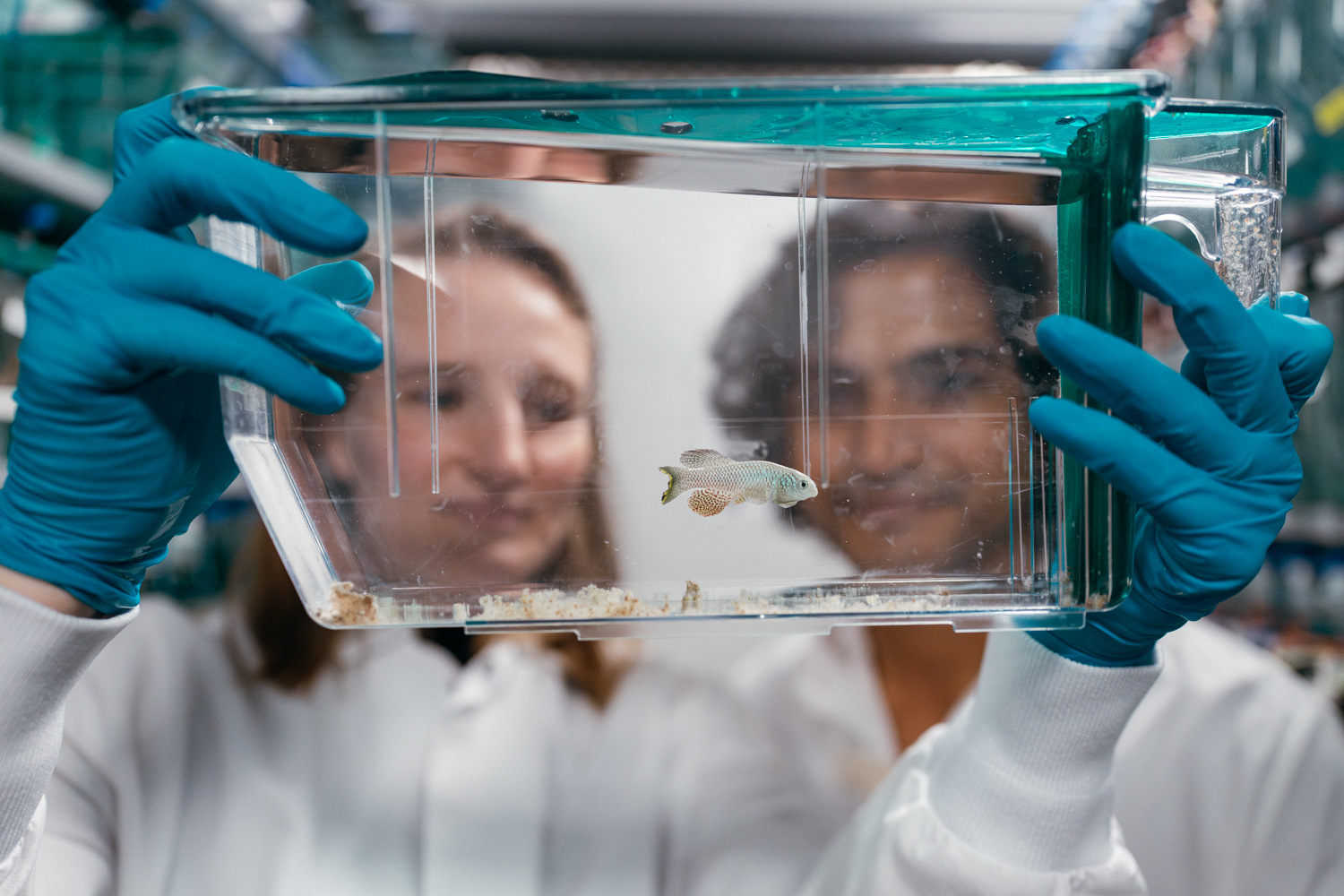
Stanford University researchers have found that aging may happen in distinct stages — not as a slow, steady decline. The discovery comes from studying African turquoise killifish, a tiny fish that lives just four to eight months, according to News-Herald.
Scientists tracked how the fish swim, sleep, and eat throughout their short lives. What they found could change how we think about aging — and how we treat it.
Killifish Reveal Aging Happens in Sudden Shifts
The African turquoise killifish is one of the shortest-lived vertebrates on Earth. Its four-to-eight-month lifespan makes it ideal for aging research. Stanford scientists watched hundreds of fish and logged changes in how they moved and rested over time, according to Twin Cities.
Instead of a smooth decline, the fish changed in bursts. Aging seemed to flip like a switch at certain points in their lives — not drift gradually downward. This staged pattern was visible in the fish's daily behavior long before obvious physical decline set in, Capital Gazette reported.
Sleep and Movement Patterns Predict How Long Fish Live
Fish that rested more at night tended to live longer. Fish that became inactive during the day — when they should be active — tended to die sooner. Disrupted day-night rhythms were a key warning sign, according to Press Enterprise.
Shorter-lived fish also showed earlier drops in movement. Their activity slowed weeks before death, while longer-lived fish stayed active much later in life. The difference between the two groups was clear and consistent, Daily Press reported.
Researchers Built a Biological Clock from Daily Fish Activity
The Stanford team created a behavioral
Findings Point Toward New Anti-Aging Treatments
The staged nature of aging is good news for medicine. If aging happens in bursts, there may be key windows when treatments work best. Researchers say dietary changes, drugs, or therapies targeting aging-related genes could have the greatest effect if applied at the right stage, according to Morning Journal.
The killifish model gives scientists a fast, affordable way to test those ideas. Because the fish age in months, not decades, researchers can screen many treatments quickly. Daily Camera reported that the findings open new doors for understanding — and possibly slowing — human aging.
Sentiment
NeutralPublishers
11
Articles
10
Reach
11


