Asia's Tech Selloff Deepens
Asian Markets Plunge as Chipmakers Lead Selloff Amid Surging Global Bond Yields
Key Points
Tokyo-listed Kioxia Holdings plunged as much as 11%, while Samsung Electronics and SK Hynix slid about 7% in Korea, highlighting a sharper-than-expected regional semiconductors rout.
The U.S. Philadelphia Semiconductor Index fell about 5% overnight, signaling that the US tech rout was spilling over into Asian markets.
Geopolitical risk intensified as Iran launched missiles toward the UAE, with Brent crude trading above $91 a barrel amid ongoing Middle East tensions.
U.S. debt markets pressed higher, with the 30-year yield spiking intraday to about 5.34% (the highest since 2007) and the 10-year around 4.75%, underscoring sustained pressure on growth stocks and AI infrastructure spending.
Asian stock markets took a heavy hit on August 19, 2026, as a global selloff in chips and surging bond yields drove investors away from risky assets. South Korea's Kospi plunged as much as 6.8%, while Japan's Nikkei fell more than 2%, according to Whalesbook.
The rout spread from Wall Street, where the Philadelphia Semiconductor Index dropped 5% overnight, straight into Asian trading floors. Korean authorities activated the SIDECAR mechanism — a circuit breaker used to slow runaway selling — as panic gripped the market, Grafa reported.
Samsung, SK Hynix, and Kioxia Lead the Chip Wreckage
Samsung Electronics and SK Hynix each fell more than 7% in Seoul on Wednesday, Grafa reported. Tokyo-listed Kioxia Holdings dropped as much as 11%, making it one of the worst performers of the day. These three companies are among the world's biggest makers of memory chips.
The selloff started in the US, where chipmakers led the broader tech decline. The Philadelphia Semiconductor Index — a key gauge for the chip industry — sank 5% overnight, Whalesbook reported. That loss carried straight into Asian markets when trading opened Thursday morning.
Bond Yields Hit Levels Not Seen Since 2007
US Treasury yields surged to multi-decade highs, piling pressure on tech and growth stocks. The 30-year yield spiked to about 5.34% intraday — its highest level since 2007 — while the 10-year yield climbed to around 4.75%, according to Stocktwits.
Higher yields hurt growth stocks the most. When borrowing costs rise, future profits look less valuable today. That hits tech companies especially hard, since much of their value depends on expected earnings far down the road. AI infrastructure spending is now more expensive to finance, adding another layer of pain for the sector.
Iran Missile Strike on UAE Sends Oil Above $91
Geopolitical risk made an already fragile market worse. Iran launched missiles toward the UAE, rattling investors and pushing Brent crude oil above $91 a barrel. Rising oil prices add to inflation fears, making it harder for central banks to cut interest rates anytime soon.
Higher oil prices squeeze corporate costs and consumer spending at the same time. Combined with surging bond yields, they create a tough environment for stocks. Nasdaq 100 futures also slipped, signaling that US markets could face more pain when Wall Street reopened, Stocktwits noted.
Chinese Stocks Join the Global Selloff
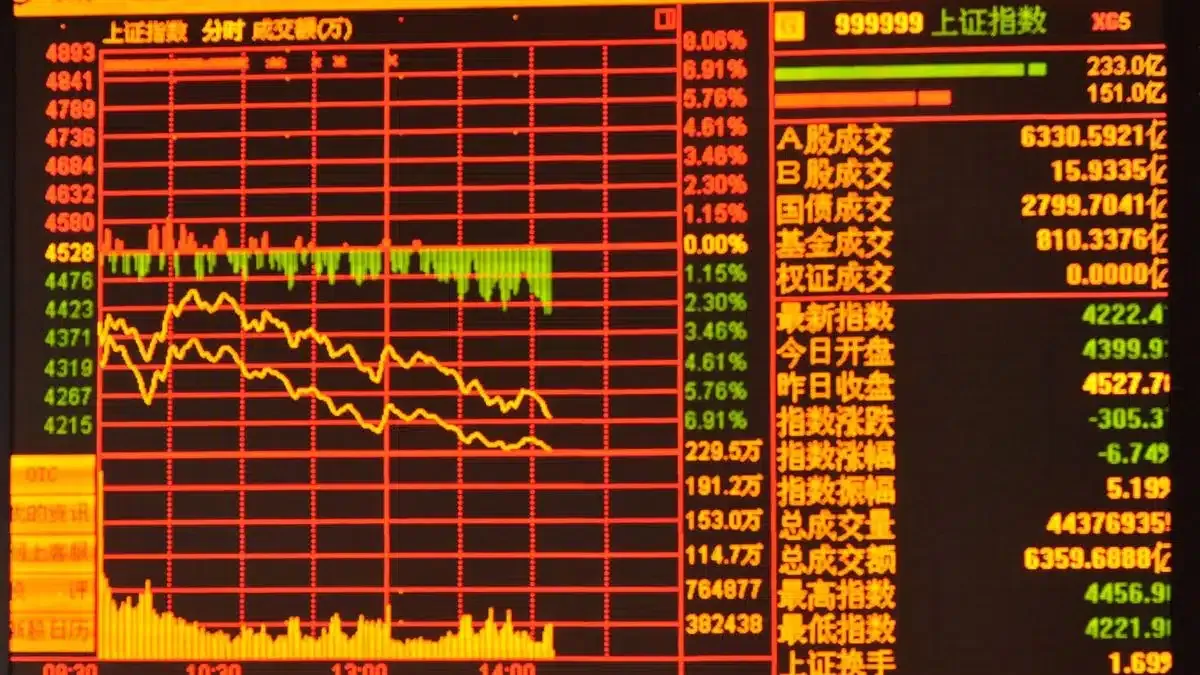
The pain was not limited to Korea and Japan. China's SSE Composite Index dropped 2.51%, closing at 3,882.85, as selling pressure mounted in Shanghai and Shenzhen, Business Upturn reported. Both benchmarks ended the day firmly in the red.
The broad selloff across Asia reflected a single theme: investors pulling money out of risky assets. Rising yields, higher oil, and a deepening chip rout gave traders little reason to buy. The MSCI Asia Pacific index fell over 1-2% on the day, Whalesbook reported, as the risk-off mood gripped the entire region.
Sentiment
Mostly NegativePublishers
24
Articles
39
Reach
63


