Fed-Treasury Policy Conflict
Treasury's Upsized Buyback Program May Complicate Fed's Ongoing Monetary Policy Objectives
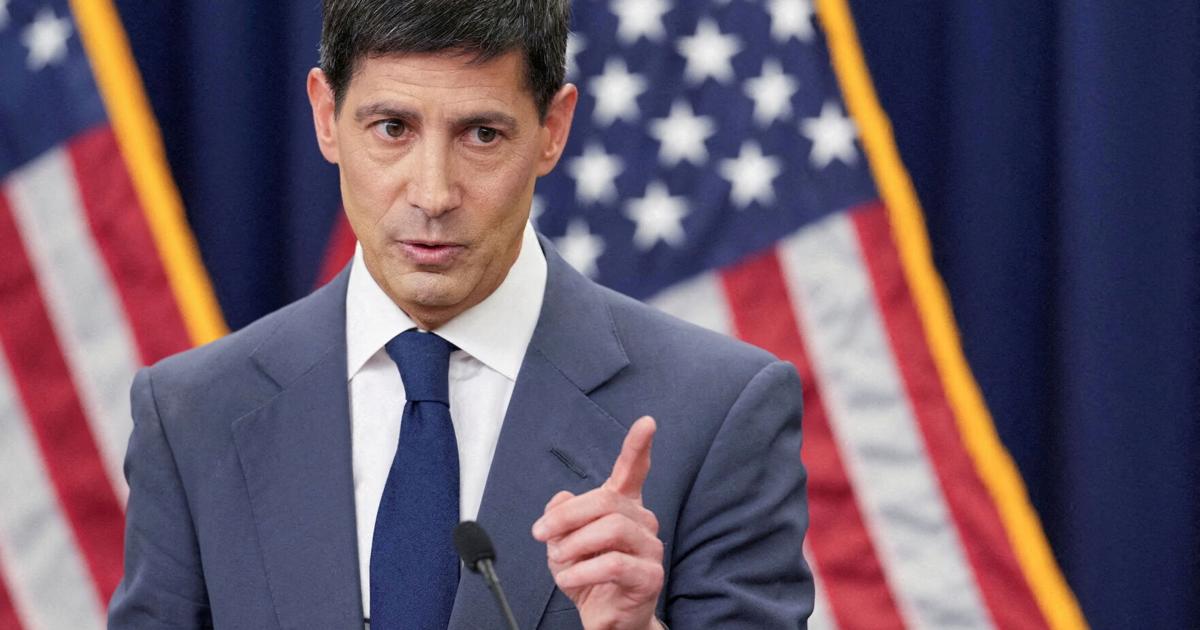
The Treasury Department has doubled its Treasury buyback program to $4 billion per operation, targeting securities maturing between 10 and 30 years Crossroads Today. The enlarged effort has raised questions about potential friction between the Treasury and Federal Reserve over who influences credit market conditions NWI Times.
Treasury Doubles Down on Buyback Operations
The Treasury Department expanded its buyback program significantly. It now purchases $4 billion worth of longer-dated Treasury bonds in each operation Crossroads Today. Previously, these operations were much smaller. The program targets bonds with 10 to 30 year maturities.
Fed and Treasury's Competing Influence Over Credit Markets
The larger buyback program creates tension between two powerful agencies. The Federal Reserve controls interest rates and money supply. The Treasury Department now actively shapes bond market conditions through buybacks Star Herald. Both institutions influence how much it costs businesses and people to borrow money. This push-and-pull raises concerns about coordination NWI Times.
Why Treasury Buybacks Matter for the Economy
When the Treasury buys back its own securities, it removes bonds from the market. Fewer bonds available can push prices higher and yields lower. Lower yields mean cheaper borrowing costs for companies and mortgages Beatrice Daily Sun. This directly affects credit conditions across the entire economy Journal Times. The Fed usually controls these levers through interest rate decisions.
Questions Emerge Over Policy Coordination
The expanded buyback program highlights unresolved questions about cooperation between agencies The Eagle. Treasury bond markets are critical to the U.S. financial system. When two major institutions operate independently, it can create confusion about true policy direction WCF Courier. Investors and economists now wonder whether the Treasury and Fed are working toward the same goals Missoulian. Clear communication between the agencies becomes increasingly important.
Sentiment
NeutralPublishers
17
Articles
17
Reach
17