Cosmic Sugar Discovery
First True Sugar Discovered in Interstellar Space, Deepening Clues to Life's Cosmic Origins
Anonymous
Key Points
1
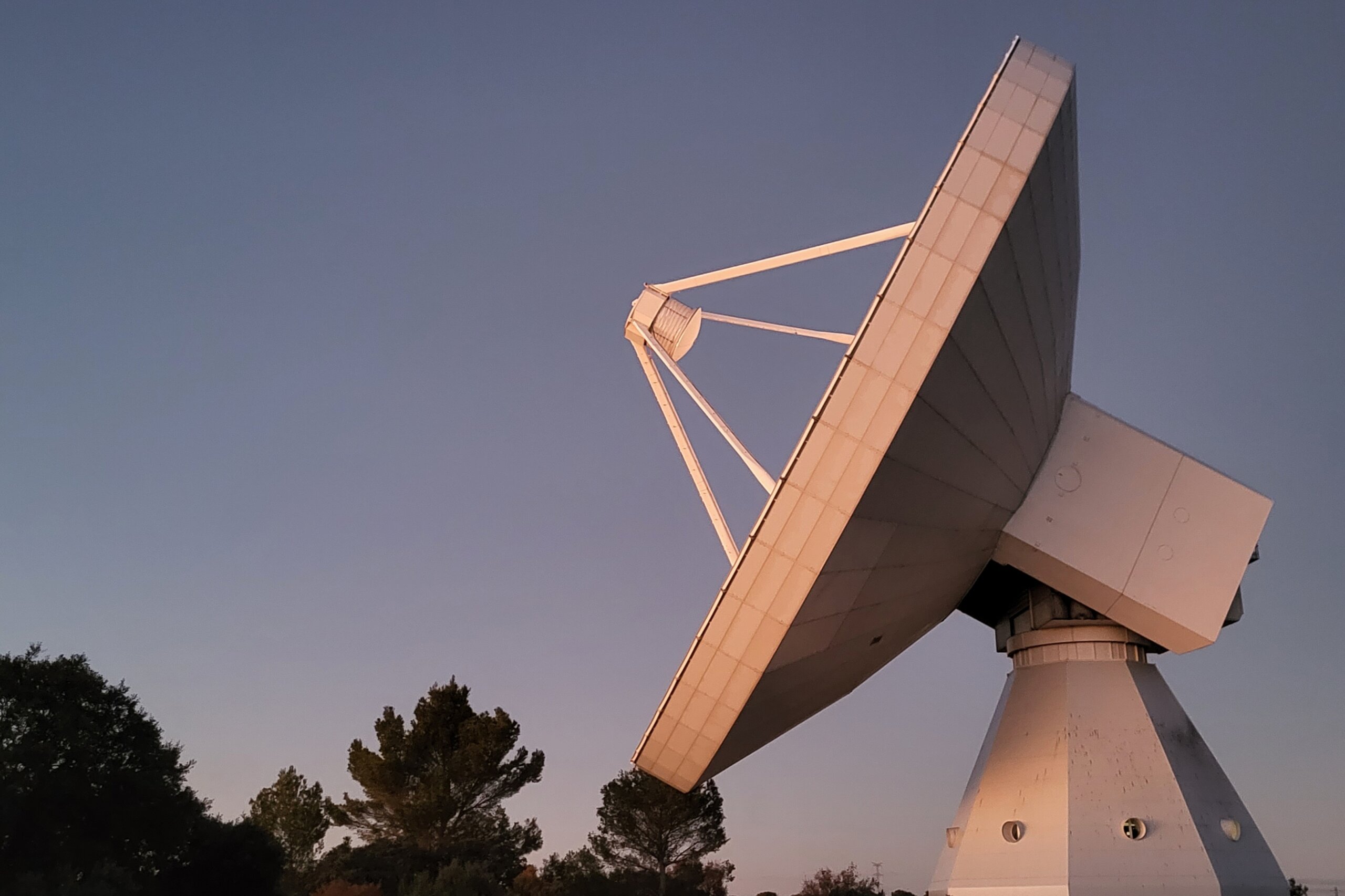
Detection occurred in the Galactic Center molecular cloud G+0.693-0.027, identified with two Spanish radio telescopes (Yebes 40m and IRAM 30m) and confirmed by matching laboratory spectral fingerprints.
2
Erythrulose is thought to form on interstellar dust grains via reactions between glycolaldehyde and ethylene glycol, rather than forming in the gas phase.
3
G+0.693-0.027 is described as one of the galaxy’s richest chemical inventories, containing dozens of organic molecules, which increases the likelihood of detecting complex sugars in interstellar space.
4
Estimates suggest up to about 50 million tonnes of erythrulose could have been delivered to Earth during the late heavy bombardment, implying a cosmic contribution to Earth’s early sugar inventory.
5
This discovery marks the first confirmed detection of a true sugar in interstellar space, expanding the known chemical repertoire of the cosmos and guiding future searches for other sugars in space.
For the first time, astronomers have detected a true sugar in interstellar space. The molecule is erythrulose — a four-carbon sugar also found in raspberries — spotted floating in a dense molecular cloud near the center of the Milky Way, according to Santa Cruz Sentinel.
Scientists confirmed the find using two dish-shaped radio telescopes in Spain. The discovery suggests that key building blocks of life form naturally in deep space — and may have helped spark life on early Earth, Daily Press reported.
Where and How the Sugar Was Found
The detection happened in a cloud called G+0.693-0.027, located near the Milky Way's core. Researchers used the Yebes 40m and IRAM 30m radio telescopes, both in Spain, to pick up the faint signal. They confirmed the find by matching it against spectral fingerprints measured in a laboratory — a kind of chemical barcode unique to erythrulose, according to Daily Galaxy.
The cloud is already one of the richest chemical treasure chests in the galaxy. It contains dozens of organic molecules. That density made it a prime target for spotting complex sugars. Scientists say erythrulose likely forms on the surface of tiny dust grains, not in open gas, through reactions between two simpler molecules: glycolaldehyde and ethylene glycol, Newsy Today reported.
Why a Raspberry Sugar Floating in Space Matters
Sugars are not just sweet. They are essential to life. Ribose, for example, forms the backbone of RNA — the molecule that many scientists believe came before DNA in the story of life. Finding erythrulose in space shows that sugars can form and survive the harsh conditions of the interstellar medium, the vast space between stars, Daily Galaxy noted.
Researchers say the discovery expands the known inventory of life's ingredients in the cosmos. It also raises the odds that other sugars — including ribose itself — exist somewhere out there. Scientists describe this as a major step forward in understanding prebiotic chemistry, the chemistry that came before life began, according to Santa Cruz Sentinel.
Up to 50 Million Tonnes Could Have Reached Early Earth
The implications stretch back to Earth's earliest days. During a period called the late heavy bombardment, comets and meteorites pelted the young planet. Researchers estimate that up to about 50 million tonnes of erythrulose could have arrived on Earth during that time, carried by space rocks made from icy dust grains, Head Topics reported.
That cosmic delivery could have seeded early Earth with sugars before life existed. Scientists say this would have given prebiotic chemistry a ready supply of raw materials. However, they caution that the exact formation pathways and how much sugar survived entry into Earth's atmosphere remain uncertain, Newsy Today noted.
What Comes Next in the Hunt for Space Sugars
Scientists say this is just the beginning. Erythrulose is described as a 'first true sugar' found in space — meaning it fits the strict chemical definition, unlike some earlier candidates. The discovery opens a clear path to searching for other sugars, especially ribose, in similar molecular clouds across the galaxy, according to Daily Press.
Researchers plan to use the same spectral matching method to hunt for more complex molecules. The G+0.693-0.027 cloud, with its rich chemical mix, will remain a prime target. Each new molecule found there adds another piece to the puzzle of how life's ingredients came to exist — and how widespread they might be across the universe.
Sentiment
Mostly PositiveNEGATIVENEUTRALPOSITIVE
Publishers
26
Articles
290
Reach
316
Topics
A
AnonymousAuthor


