Unity 7: The Future of AI Gaming
Unity 7 Unveils Q1 2027 Launch, Focuses on AI and Open Platform for Developers
Anonymous
Key Points
1
At Unite Seoul, Mint Rocket founder Hwang Jae-ho highlighted 'Dave the Diver' selling over 1 million copies with a 30-person team across Steam, Nintendo Switch, PlayStation, and mobile, underscoring Unity 7's cross‑platform flexibility and real-world impact alongside Amber and Blade's lighting demonstrations.
2
Unity 7 is billed to deliver near-instant Play Mode, code-change scoped domain reloads, and shader builds up to 90% faster thanks to a CoreCLR-based engine and a modern rendering pipeline.
3
The release broadens collaboration with a new CLI and public API to validate assets and push builds without full Editor access, plus a free Model Context Protocol (MCP) that connects AI coding agents directly into Unity projects.
4
Unity stresses that AI adoption is optional and that studios choosing to keep AI out of creativity are not sidelined, reinforcing a team‑level decision model and ongoing compatibility with Unity 6 projects.
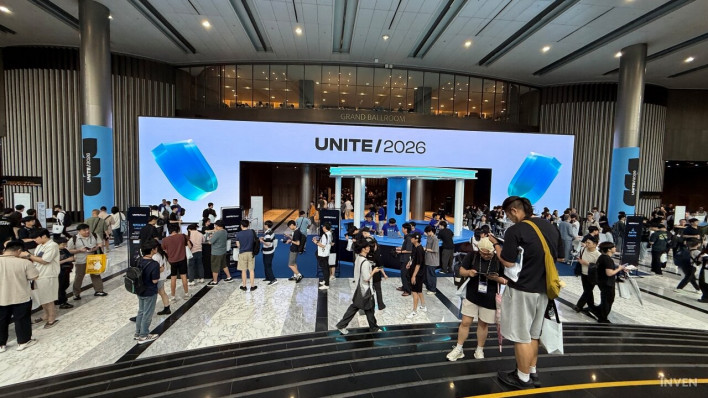
Unity has confirmed that Unity 7 will launch in Q1 2027, with an early beta arriving in December 2026, according to Shane the Gamer. CEO Matt Bromberg unveiled the engine at Unite Seoul, calling it a "direct continuation" of Unity 6 — meaning developers can move existing projects over without a full rebuild or extra fees.
The new engine is built around three big promises: faster creation, smarter collaboration, and optional AI tools that teams can adopt at their own pace, WN Hub reports.
Speed Gains Push Unity 7 Far Past Unity 6
Unity 7 is built on CoreCLR, a modern software runtime that replaces the older engine foundation. The result is dramatic speed jumps. Shader builds run up to 90% faster, according to WN Hub. The engine also delivers near-instant Play Mode, so developers spend less time waiting and more time building.
The new rendering pipeline adds Surface Cache GI, a real-time global illumination system. In plain terms, lighting in games looks far more realistic — and updates instantly as scenes change. AI-driven tools help the engine hit that quality on a wide range of devices, from high-end PCs all the way down to mobile phones.
New CLI and MCP Open the Engine to Outside Tools
Unity 7 ships with a new command-line interface (CLI) and a public API. These let teams check assets and push builds without even opening the Editor, Rock Paper Shotgun reports. That makes large studio pipelines much easier to manage.
The engine also includes a free Model Context Protocol, or MCP. It connects AI coding agents directly into Unity projects. Think of it as a bridge that lets outside AI tools talk to the engine and help write or fix code. Teams that want no AI involvement can simply ignore it — Unity says the choice stays at the studio level.
Dave the Diver Shows What Small Teams Can Do
At Unite Seoul, Mint Rocket founder Hwang Jae-ho took the stage to talk about Dave the Diver, a game his 30-person team shipped across Steam, Nintendo Switch, PlayStation, and mobile. The game sold over 1 million copies, according to Inven Global. Unity used the example to show that cross-platform reach is not just for big studios.
Other developers at the event, including teams from Amber and Blade, showed off the new lighting tools in live demos. The presentations framed Unity 7 less as a technical upgrade and more as what Inven Global called "a paradigm shift in development."
No Renewal Tax and No Forced AI — Migration Stays Simple
Unity is making a point of saying the upgrade from Unity 6 will not cost studios extra. There is no "renewal tax" — a fee some companies charge just to move to a new version. Existing Unity 6 projects should carry over without being rebuilt from scratch, Shane the Gamer reports.
CEO Matt Bromberg framed the release as a practical retooling for a faster, AI-enabled era — but stressed that AI is optional. "Built for that world doesn't mean built to require it," Unity told Rock Paper Shotgun. Studios that want to keep AI out of their creative process are not left behind.
Sentiment
Mostly PositiveNEGATIVENEUTRALPOSITIVE
Publishers
14
Articles
3
Reach
17
A
AnonymousAuthor


