Bipartisan Taiwan Policy Warning
Senators Urge Trump to Reaffirm Taiwan Support Before Xi Jinping Visit
Anonymous
Key Points
1
The Democratic letter was signed by Jeanne Shaheen, Chris Coons, Patty Murray, Jack Reed, Mark Warner, Elizabeth Warren and Andy Kim, representing senior members of the Senate’s foreign-policy, defense, intelligence, appropriations, banking and national-security panels.
2
The senators also criticized the Trump administration for weakening domestic safeguards and reducing support for research and workforce training considered important to U.S. technological competitiveness, while warning that Americans were already facing higher fuel, food and housing costs.
3
The United States, Japan and South Korea called for Taiwan-related disputes to be resolved peacefully and backed Taiwan’s “meaningful participation in appropriate international organizations,” in addition to opposing unilateral changes to the status quo.
4
Senator Jeanne Shaheen noted that Taiwan is a major producer of semiconductors important to the United States and said Trump and Xi should discuss artificial intelligence and related risks; she also warned that Chinese officials had reportedly asked Washington not to announce new arms sales to Taiwan before the visit.
5
Japan was closely monitoring the summit because Tokyo feared Trump could trade U.S. economic concessions for tacit acceptance of some Chinese positions on Taiwan; Japanese Prime Minister Sanae Takaichi was expected to discuss Taiwan and Sino-Japanese relations with Trump in New York.
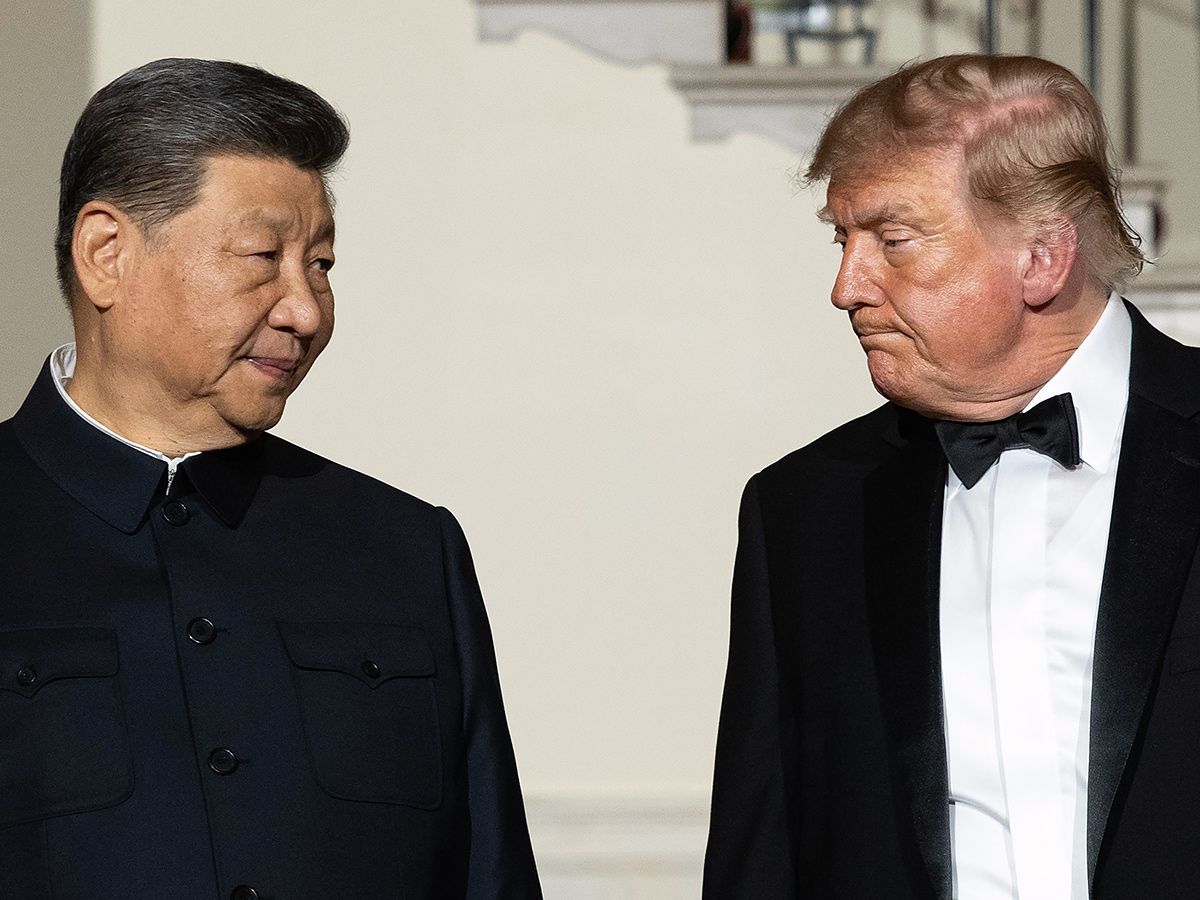
Senior Democratic senators are pressing President Trump to reaffirm U.S. support for Taiwan before his summit with Chinese leader Xi Jinping, warning that private dealmaking could harm American security and jobs. Vancouver Sun reported that Xi has publicly called on Trump to "oppose" Taiwan independence — a significant challenge to Washington's longstanding policy. The seven senators, including intelligence and defense committee leaders, say China's military pressure on Taiwan, support for Russia's war, and alleged aid to Iran pose direct threats to U.S. interests.
Japan and South Korea are also watching closely. The three nations jointly emphasized that Taiwan-related disputes must be resolved peacefully and opposed any unilateral changes to the status quo. Korea JoongAng Daily reported that Xi called for U.S.-China cooperation on AI safeguards during the White House summit, while pushing his position on Taiwan. Senator Jeanne Shaheen warned that Chinese officials have asked Washington not to announce new arms sales to Taiwan before the visit.
Democratic Senators Warn Against Private Dealmaking
The letter, signed by seven senior senators including Jeanne Shaheen, Chris Coons, and Mark Warner, raises alarm about back-channel negotiations that could weaken America's Taiwan commitment. The lawmakers represent key Senate committees on foreign policy, defense, intelligence, and national security. They argue that any hint of reduced support for Taiwan during Trump-Xi talks could embolden Beijing and destabilize the entire region.
The senators also criticized the Trump administration for cutting domestic research funding and weakening technology safeguards. NDTV Profit noted that Americans already face higher costs for fuel, food, and housing. The lawmakers want stricter controls on chip technology exports and stronger protections for Taiwan's semiconductor industry — critical to U.S. economic security.
Taiwan's Chip Industry Is a Core Security Issue
Taiwan produces the majority of advanced semiconductors used in American defense systems, phones, and AI technology. Senator Shaheen emphasized that Trump and Xi must discuss artificial intelligence risks alongside Taiwan's economic importance. The U.S., Japan, and South Korea called for Taiwan's "meaningful participation in appropriate international organizations" — a move opposed by Beijing, which claims the island as its own territory.
Chinese officials have reportedly pressured Washington not to announce new weapons sales to Taiwan before the summit. This request itself signals Beijing's concern about Trump's willingness to defy its demands. The semiconductor supply chain remains perhaps the single most critical leverage point in U.S.-China competition.
Japan Fears Economic Concessions on Taiwan
Tokyo is closely monitoring the Trump-Xi summit because Japanese officials fear Trump might trade U.S. economic concessions for tacit acceptance of Chinese positions on Taiwan. Japanese Prime Minister Sanae Takaichi plans to discuss Taiwan and Sino-Japanese relations with Trump in New York. NewsCord reported that Trump urged Beijing to establish crisis communication mechanisms to prevent conflict escalation.
Japan knows that if Taiwan falls under Chinese control, the balance of power in the Indo-Pacific shifts dramatically against U.S. allies. The concern is not theoretical — Trump has previously suggested Taiwan should pay more for its own defense, raising questions about his commitment to the island under pressure from Xi.
Bipartisan Congressional Consensus Faces a Test
Senator Shaheen noted there is "strong bipartisan support" in Congress for Washington's Taiwan policy, and she urged Trump not to make statements suggesting any weakening of that commitment. The Democratic letter represents the formal congressional pushback against private deals that might bypass elected lawmakers' input on national security matters. The stakes are extraordinarily high — Taiwan's status shapes the entire Pacific security architecture.
With Xi pushing Trump to "oppose" Taiwan independence and Chinese officials directly asking Trump to withhold arms sales announcements, the pressure campaign is unmistakable. The senators' letter is essentially a warning that any capitulation will face fierce Congressional resistance and bipartisan backlash.
Sentiment
Mostly NegativeNEGATIVENEUTRALPOSITIVE
Publishers
34
Articles
120
Reach
154
Topics
A
AnonymousAuthor


