Brazil's Tariff Reciprocity
Brazil's Lula Activates Reciprocity Law Against US Tariffs Amid Escalating Trade Tensions
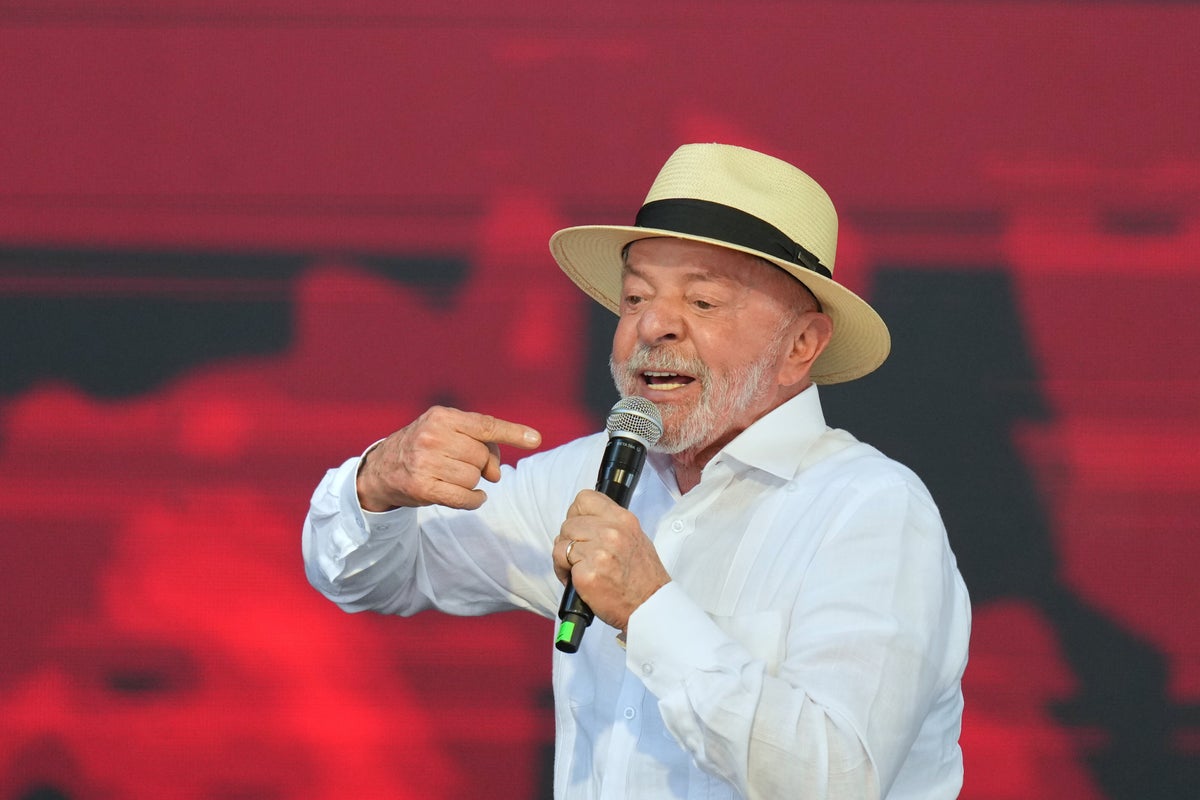
Brazilian President Luiz Inácio Lula da Silva has triggered his country's economic reciprocity law against new U.S. tariffs, signaling that Brazil will not absorb the duties without a fight. The move follows Washington's decision to impose tariffs on hundreds of Brazilian exports, with some duties reaching as high as 37.5%, according to The Independent.
The diplomatic fallout has grown sharp. The U.S. State Department recently revoked the visa of Brazil's ambassador to Washington. That came after Brazil denied visas to two American diplomats, according to Click Orlando.
What Brazil's Reciprocity Law Actually Does
Brazil's economic reciprocity law gives the government a legal tool to respond to what it sees as unfair trade actions by other countries. By triggering this mechanism, Lula is starting a formal process that could lead to Brazil placing its own tariffs or restrictions on U.S. goods. It is not an immediate counter-strike — it is the first step in a legal process, according to Times Union.
Lula framed the move as a matter of national dignity. His government has said that Brazil must be respected as a trade partner. The activation of the law sends a clear message that Lula is willing to escalate if Washington does not back down, according to LMT Online.
Trump Accuses Brazil of Unfair Trade; Lula Calls It Political
The Trump administration says Brazil engages in unfair trade practices. Those claims are the stated reason for the new tariffs hitting Brazilian exports. But Lula has pushed back hard. He has denied every accusation, calling them politically motivated, according to Dayton Daily News.
Brazil's October election looms large over this fight. Lula is running for re-election, and standing firm against U.S. pressure plays well with Brazilian voters. Showing strength against Washington gives Lula a political boost at home, even if it risks further economic friction, according to Yahoo News.
Visa Bans and Diplomatic Tension Deepen the Rift
The trade dispute has spilled into a full diplomatic clash. Brazil denied visas to two U.S. diplomats. The U.S. fired back by revoking the visa of Brazil's ambassador in Washington. Tit-for-tat visa fights are rare between the two nations and signal a serious breakdown in relations, according to The Independent.
Brazil's Foreign Ministry has also requested formal diplomatic consultations over the tariff issue, according to Las Vegas Sun. That step suggests Lula wants to keep some doors open even while hardening his public stance.
What Comes Next for Brazil-U.S. Trade Relations
The reciprocity process Lula triggered does not produce instant results. It sets a legal clock in motion. Brazilian officials will review the U.S. tariffs and decide on a proportional response. That process could take weeks or months, leaving plenty of room for negotiation — or further escalation, according to Click Orlando.
With tariffs as high as 37.5% hitting some Brazilian products, real economic damage is already in play. Exporters of steel, agricultural goods, and manufactured items face rising costs in the U.S. market. Both governments will feel pressure from their own industries to find a deal, according to Times Union.
Sentiment
NeutralPublishers
7
Articles
6
Reach
7


