Artists Challenge Political Music Use
Ariana Grande Denounces Trump Campaign for Unauthorized Use of Her Music in TikTok Clips
Key Points
The August 20 Team Trump TikTok clip used Grande's 2024 single with on-screen lyrics tied to an anti-trans message, accompanied by a caption promoting the post; Grande’s team moved to have the track removed and she publicly urged that it not be used again.
Earlier this summer, a White House clip used Grande’s song 'Bye' to depict ICE operations; Grande condemned the use of her music and demanded it not be associated with such content, with her team having the audio removed from that clip.
Deadline’s reporting highlights a broader wave of artist objections to political uses of their music, naming additional artists beyond a few well-known peers, including SZA, Katy Perry, Kesha, Radiohead, Noah Kahan, Jess Glynne and Kenny Loggins.
Grande remains active on the Eternal Sunshine Tour in Europe, with the Petal-era release fueling strong chart performance in the U.S. (her album topping the Billboard 200 with about 295,000 equivalent units) and a planned 10-show London run at the O2 Arena.
Taylor Swift’s music has also faced access restrictions in Trump campaign posts, with Swift’s songs reportedly muted in several TikTok videos due to copyright restrictions, illustrating a broader trend of artists pushing back against political uses of their work.
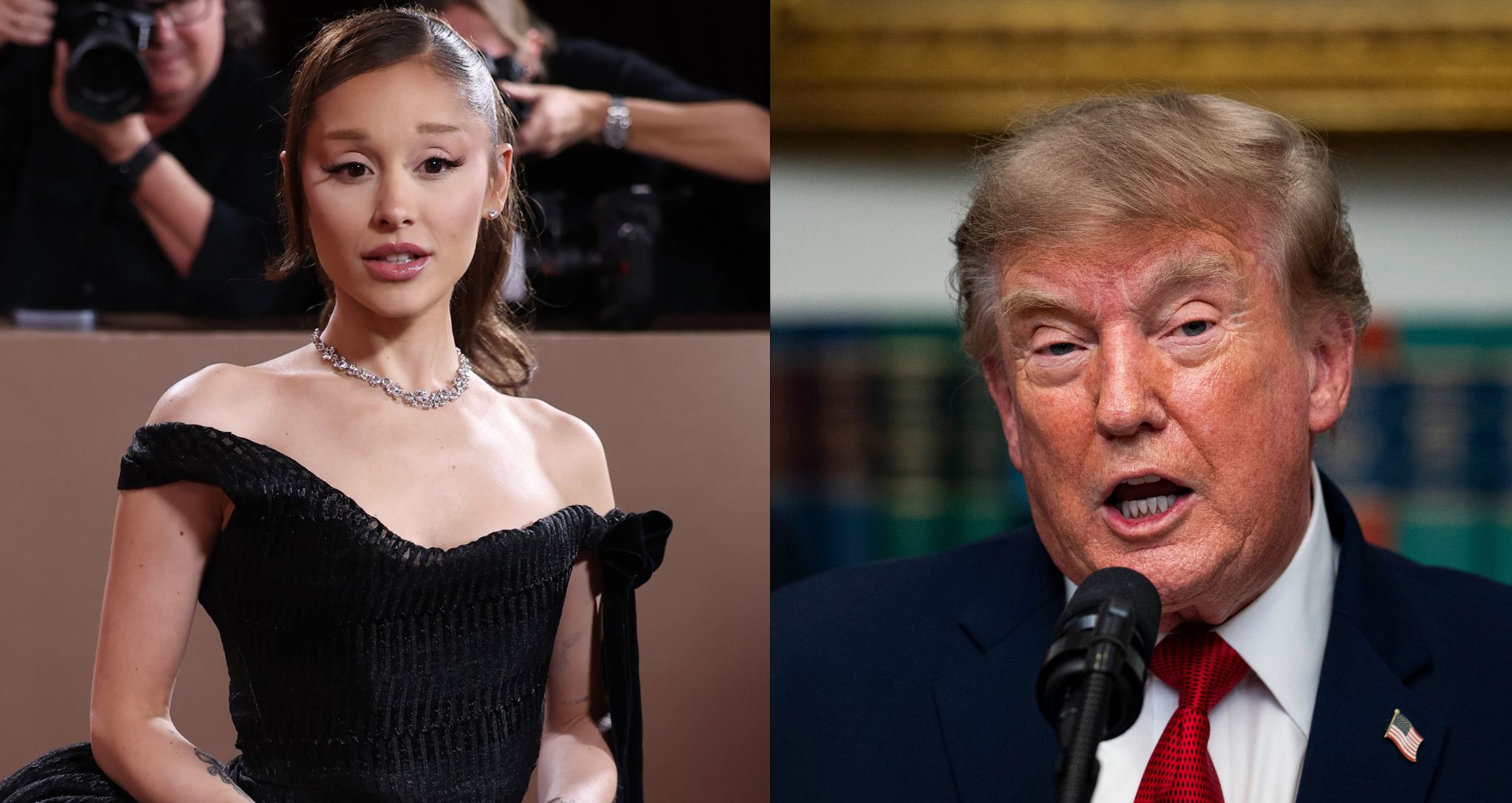
Ariana Grande has publicly condemned the Trump campaign for using her music in political TikTok videos, most recently her 2024 single "We Can't Be Friends (Wait For Your Love)." In a comment on the platform, she wrote: "Never use my music again. Also, your truth is false," Yahoo News reported. This marks the second time in two months that Grande has called out the administration for unauthorized use of her songs.
The backlash reflects a broader wave of artists objecting to political uses of their music. Deadline noted that Taylor Swift, Sabrina Carpenter, Olivia Rodrigo, SZA, Katy Perry, Kesha, Radiohead, and others have recently pushed back against similar campaigns. Grande's label is actively working to remove the track from the video.
A Second Strike Against Trump Campaign Use
In June, a White House clip paired Grande's song "Bye" with footage of ICE operations. She called the use "barbaric" and demanded removal, Geo TV reported. Now, weeks later, Team Trump's TikTok account posted a video using "We Can't Be Friends" with on-screen lyrics tied to an anti-trans message. Grande's team moved swiftly to have the audio removed.
Grande remains touring Europe on her Eternal Sunshine Tour. Her latest album topped the Billboard 200 with approximately 295,000 equivalent units, and she has a planned 10-show London run at the O2 Arena coming up.
Why Artists Are Fighting Back on Copyright
The use of copyrighted music in political campaigns raises questions about consent and control. Artists own or control their work. When politicians use songs without permission, it ties the artist's name to messages they may oppose. The Wrap highlighted that Grande's objection centers on the false association between her music and anti-trans positions.
Taylor Swift's catalog has faced similar pressures. What's Trending noted that several of her songs were muted in Trump campaign TikTok videos due to copyright restrictions. This shows platforms and labels increasingly enforcing artist protections in real time.
A Pattern of Pushback Across the Music Industry
Grande is far from alone. Deadline reported that artists including Noah Kahan, Jess Glynne, and Kenny Loggins have all objected to political uses of their work in recent weeks. The trend signals growing artist awareness of how their music can be weaponized in partisan messaging without their approval.
These disputes highlight a gap in copyright law. While campaigns must license music to use it legally, the question of *ethical* use—whether the artist agrees with the message—remains unresolved. Grande's vocal stance may embolden other artists to speak out more openly.
Sentiment
Mostly NegativePublishers
16
Articles
36
Reach
52


