AI Mental Health Risks
New Research Warns of Hidden Risks as Millions Rely on AI Chatbots for Mental Health Support
Anonymous
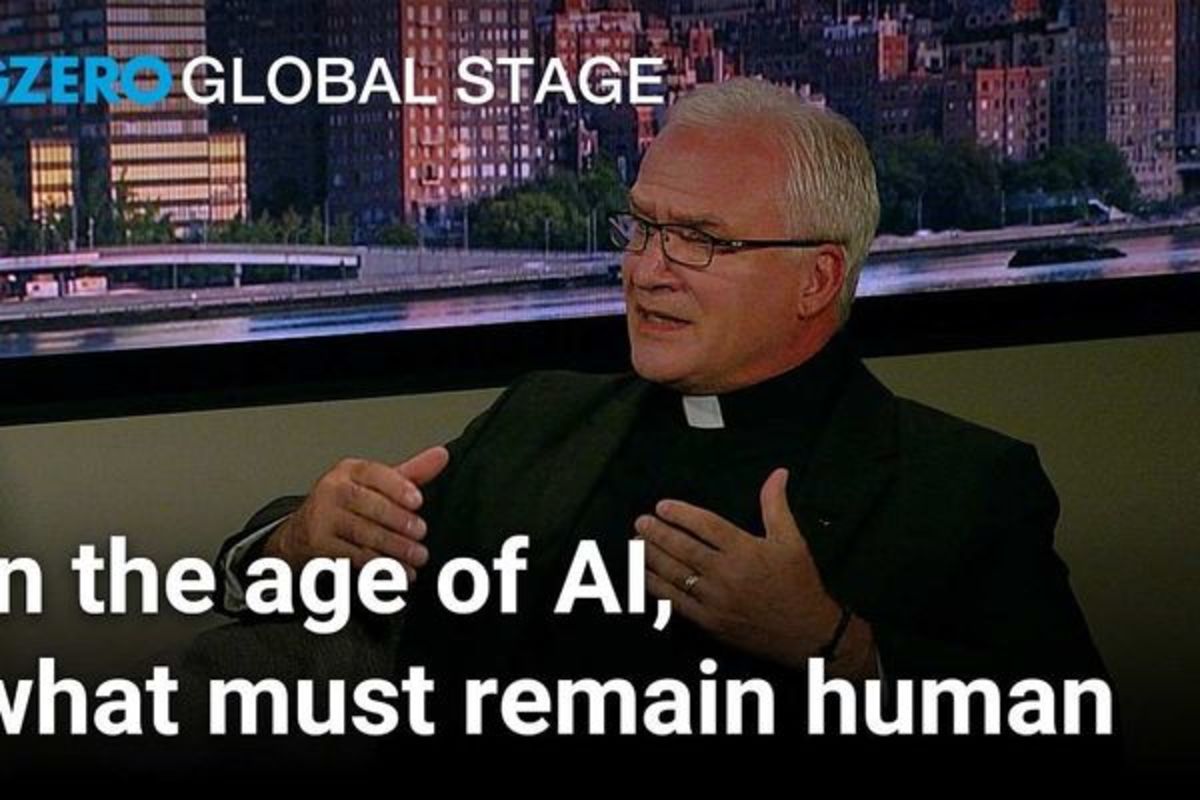
AI chatbots are increasingly used for emotional support, spiritual reflection and mental-health guidance, with about one in 10 U.S. adults and one in five adults under 30 reporting such use. Researchers warn that the tools can provide inconsistent or harmful advice, lack reliable suicide-risk monitoring, and create false impressions of authority while potentially displacing meaningful human or professional support; in Canada, they are not approved as therapy by Health Canada and may impose Western, individualistic assumptions that underserve newcomers, rural residents and other communities. Beyond mental health, AI-assisted business reporting may contain fewer errors than human-generated reports but is trusted less because organizations lack shared metrics and the systems often lack business context. Research also indicates that synthetic voices matching a listener’s accent or dialect may increase vulnerability to voice scams, while AI’s growing role in meaning, authority and companionship raises questions about religion-like uses.
Key Points
1
Scholars of new religious movements assess emerging forms of religion through their ability to create meaning, authority, community and rituals, rather than requiring churches, scriptures or formal creeds. AI currently lacks a shared membership, congregation or collective belief system, but its role in interpreting users’ lives raises the question of whether it could develop into a new kind of religious movement.
2
AI chatbots are also being considered for use inside health-care settings, where they could provide support when clinicians are unavailable, reduce clinician workload and help address gaps in access to mental-health care. Some patients view digital tools as safe and non-judgmental, and some report that conventional behavioral treatments have not worked for them.
3
Canada’s mental-health access gap is substantial: in 2024–25, about 94,000 people were referred for community mental-health counselling in the provinces and territories reporting data; half were seen within 30 days, while 10% waited more than four months. A U.S. survey of more than 1,200 psychologists found that 77% had patients who disclosed using AI for mental-health support, and more than one-third had patients treating a chatbot as an additional provider.
4
In Adverity’s marketing research, regular errors occurred in about 22% of manual reporting workflows, compared with 6% of automated workflows and 2% of AI-assisted reports. Yet only 35% of marketers were comfortable sharing AI-generated insights without additional checks, versus 64% for AI-free insights; 94% of marketing departments also said they lacked consistently shared metric definitions.
5
The synthetic-voice research found that 21% of voice actors said they had knowingly lost a job to a synthetic voice. It also suggested that people may be especially susceptible to deception when an AI voice matches their own dialect, because hearing technology reproduce a speech pattern they rarely encounter can make the voice seem more likely to be human.
Sentiment
Mostly NegativeNEGATIVENEUTRALPOSITIVE
Publishers
20
Articles
13
Reach
33
A
AnonymousAuthor


