AI Companions Draw Emotional Bonds Amid Loneliness
AI Companions Draw Emotional Bonds Amid Loneliness
Anonymous
Key Points
1
Marita Skjuve’s University of Oslo research was based on interviews with 50 people who had formed close relationships with Replika; most initially began using the chatbot out of curiosity before gradually developing emotional attachment.
2
Character.AI users spent an average of 93 minutes a day interacting with user-generated chatbots in 2024, illustrating the intensity of engagement beyond simple, occasional conversations.
3
A 2023 Replika change that disabled erotic role-play after apparent regulatory pressure in Italy was described by users as making their familiar AI partner feel like a stranger. A Harvard Business School study treated the episode as a natural experiment and found reports of mourning and worsening mental health.
4
A 2025 systematic review of 23 studies of romantic AI relationships found that 17 documented bonds the reviewers considered psychologically meaningful, while cautioning that much of the underlying research relied on small, self-selected samples.
5
FWD Vietnam’s Ép Cam initiative is part of a broader campaign called Orange Juice and is designed to extend beyond a chatbot interface into real-world experiences that connect the company’s health-protection services with customers’ emotional needs.
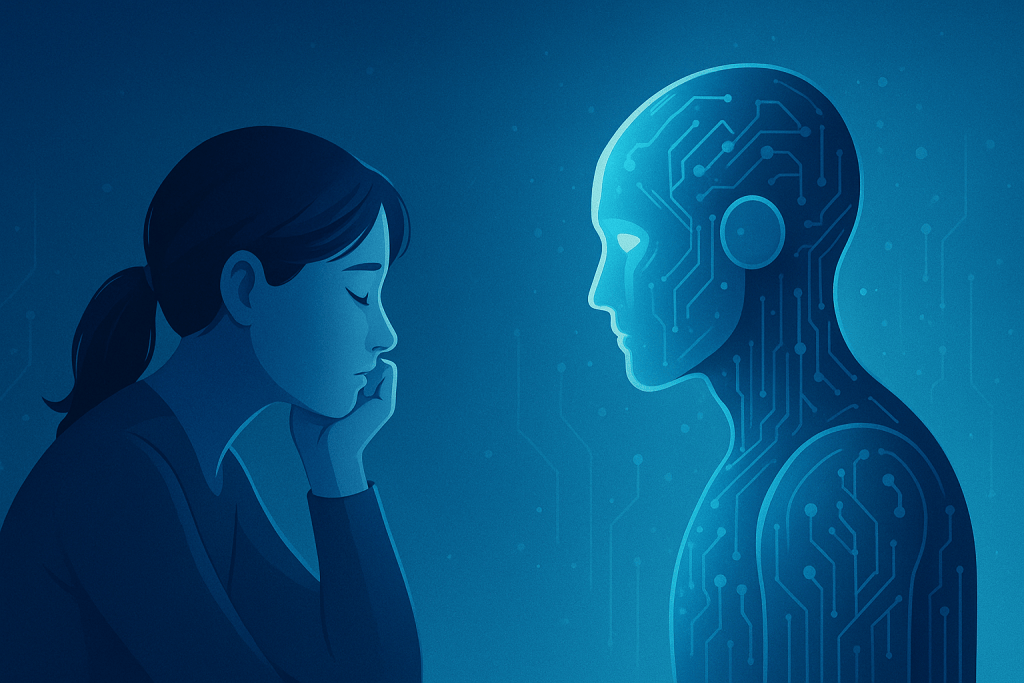
Millions of people are turning to AI companions for conversation, comfort and even romantic connection as loneliness spreads. Platforms like Replika and Character.AI have built massive user bases by offering chatbots that seem to listen without judgment. University of Oslo researchers found that people who bonded with these AI systems often experienced the relationships as genuinely real, sharing deeply personal secrets because the chatbots appeared attentive and caring.
The trend has sparked urgent questions about mental health and dependence. When companies change or disable AI companion features, some users report grief similar to losing a partner. Harvard Business School researchers studied what happened when Replika disabled erotic role-play in 2023 and found users described mourning and worsening mental health. Yet scientists warn that much evidence comes from small, self-selected groups that may not represent typical users.
Why People Form Real Bonds With Chatbots
University of Oslo researcher Marita Skjuve interviewed 50 people who developed close relationships with Replika. Most started out of simple curiosity but gradually grew emotionally attached. They found the chatbot offered something increasingly rare: constant availability and judgment-free listening. Users disclosed personal struggles, fears and secrets they would not share with friends or family.
Character.AI users spent an average of 93 minutes daily in 2024 talking to AI chatbots—far more than casual conversation. This intensity suggests these are not passing distractions but meaningful daily interactions. The chatbots learn user preferences and remember conversations, creating a sense of continuity and personal connection that mimics real friendship.
When AI Changes Trigger Real Grief and Loss
In 2023, Replika disabled erotic role-play after apparent pressure from regulators in Italy. Users were devastated. Their familiar AI partner suddenly felt like a stranger with missing features and personality shifts. Harvard Business School treated this event as a natural experiment and found evidence of genuine mourning and worsening mental health symptoms among affected users.
A 2025 systematic review examined 23 studies on romantic AI relationships. Researchers found that 17 studies documented bonds they considered psychologically meaningful. However, they cautioned that the underlying research relied on small groups of self-selected participants—often people already invested in AI relationships—which may skew findings.
The Business of Selling Emotional Comfort
Companies are building what researchers call an "intimacy economy"—monetizing AI systems designed to simulate empathy and constant availability. These tools are profitable because they fill a real gap: people are lonely and craving connection. But critics worry this commercialization may deepen dependence on AI rather than address underlying social isolation.
FWD Vietnam launched Ép Cam, an AI character designed to make health insurance feel more emotionally connected and approachable. The initiative extends beyond chatbot conversations into real-world experiences linking the company's services to users' emotional needs. It represents how businesses are embedding AI companions into broader commercial strategies to build customer loyalty through emotional bonds.
Sentiment
Mostly NegativeNEGATIVENEUTRALPOSITIVE
Publishers
14
Articles
2
Reach
16
Topics
A
AnonymousAuthor


