School Bus Fuel Strain
Record Diesel Prices Strain School Transportation Budgets Across Multiple States
Anonymous
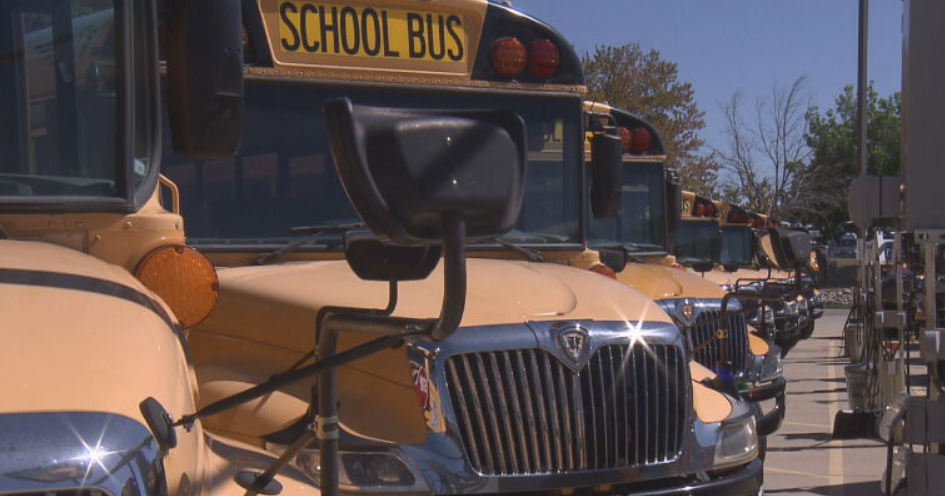
Record-high diesel prices are straining school transportation budgets across Colorado, Alabama, Wisconsin, Tennessee and Iowa, while districts continue operating buses and prioritizing student transportation. Cherry Creek Schools in Colorado expects to spend $2 million to $2.3 million on fuel this year, compared with a $1.5 million budget, and Alabama districts face prices near $6.15 per gallon while transporting more than 330,000 students daily. Rutherford County Schools in Tennessee estimates the price increase could add $250,000 to $300,000 in costs, while a western Wisconsin district expects an additional $7,000 to $10,000 when its spring fuel supply runs out. Districts are reducing idling, reviewing routes, limiting extracurricular trips and considering route consolidation, while some use state funding, fuel reserves, bulk purchasing, propane or contractual fuel adjustments to manage costs. Administrators warn that higher transportation expenses could reduce funding for field trips, meals, teacher initiatives, supplies and other nonessential needs, with the long-term impact depending on how long prices remain elevated. Several districts are also exploring electric buses and other alternative-fuel strategies.
Key Points
1
Cherry Creek Schools operates more than 300 buses across 252 daily routes, transporting about 24,000 students; its buses traveled 2.6 million miles on school, field-trip and activity routes last year.
2
Osseo-Fairchild School District in Wisconsin is using diesel bought in the spring for just under $4 per gallon from a 10,000-gallon storage tank. Its remaining 2,500 gallons are expected to last through late November, after which the district will need to buy winter-blended fuel at current prices.
3
Wisconsin law requires public school districts to provide transportation for all eligible students within their boundaries, including students who attend private schools, limiting districts’ ability to reduce service as fuel costs rise.
4
In eastern Iowa, Dike-New Hartford chose a market-based flexible diesel rate rather than locking in a fixed annual price, while Lone Tree buys fuel at wholesale rack pricing and says that approach saves roughly 30 cents to $1 per gallon compared with prices at the pump.
5
Alabama school buses travel more than 500,000 miles each day, and the average bus gets fewer than seven miles per gallon, underscoring the scale of the state’s fuel exposure.
Sentiment
Mostly NegativeNEGATIVENEUTRALPOSITIVE
Publishers
17
Articles
12
Reach
29
A
AnonymousAuthor


