Emergency Power Support
India Approves Emergency Power Exports to Help Flood-Hit Nepal Recover
Anonymous
Key Points
1
Before the floods, Nepal had 4,200 MW of installed and operational generation capacity; damage to stations in the Trishuli and Lhende Khola river basins cut about 550 MW from that total.
2
Nepal’s electricity relationship with India is normally seasonal and two-way: Nepal exports surplus hydropower to India in summer and imports electricity during the winter; in fiscal 2025–26, India imported 3,299 million units from Nepal while exporting 1,451 million units to it.
3
The export approvals will be processed through established Indian electricity-market mechanisms, including the day-ahead and real-time market segments of Indian power exchanges.
4
India’s electricity system was under pressure despite adequate solar-hour supply: unusually hot weather, irrigation demand, weak wind and hydropower generation and the El Niño effect contributed to peak demand of 269 GW on September 10, while non-solar demand reached 236 GW alongside a 6.1 GW shortage.
5
Hydropower supplies almost all of Nepal’s electricity and had become an important source of export revenue, with the floods particularly affecting Bagmati province, the country’s main hydropower-producing region.
India has approved emergency electricity exports of up to 654 megawatts to Nepal for 18 hours daily through December 31, 2026, after a devastating glacial collapse on August 26 destroyed more than a dozen hydropower plants and killed nearly 1,400 people across Nepal and Tibet. The disaster cut Nepal's generation capacity by roughly 550 megawatts—about 10 percent of its total—and left more than 5,300 missing, including some 900 power-plant workers.
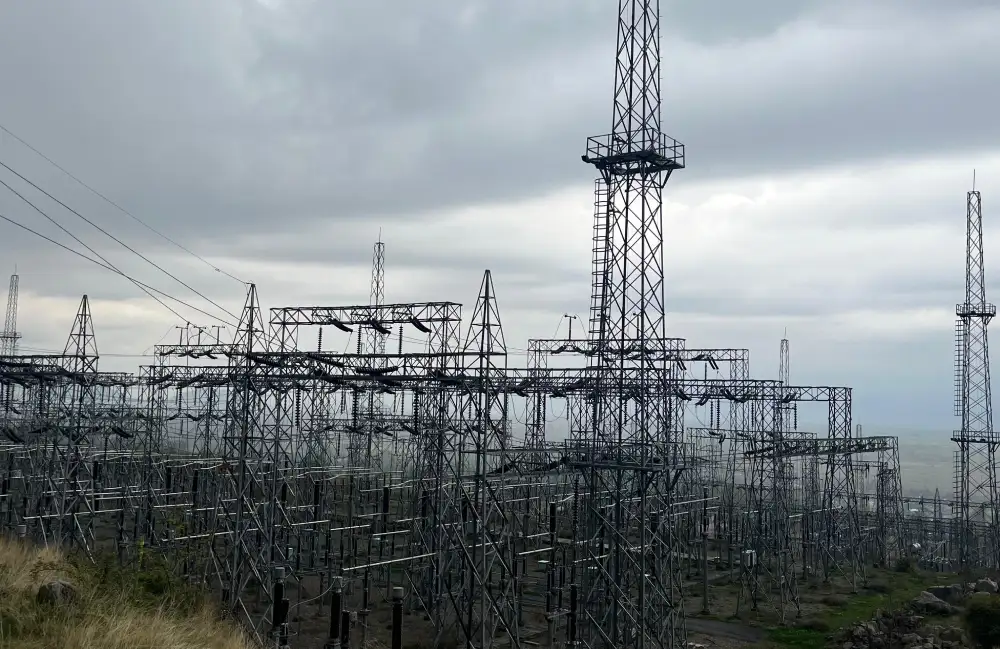
The supply starts September 13 through two transmission lines: 600 MW via the Muzaffarpur-Dhalkebar 400 kV line and 54 MW via the Tanakpur-Mahendranagar 132 kV line. Economic Times reported that India will direct much of the supply during daylight hours, when its own solar generation is strongest, while Nepal faces domestic electricity shortages and an estimated $5 billion in initial reconstruction costs.
Nepal's Hydropower System Crippled by Flood
Nepal relies almost entirely on hydropower for electricity and had been exporting surplus power to India each summer. Before the floods, Nepal had 4,200 megawatts of installed capacity. The August 26 glacial collapse triggered massive flash floods in the Trishuli and Lhende Khola river basins, destroying facilities in Bagmati province—Nepal's main power-producing region.
The damage forced Nepal to halt all electricity exports and seek international emergency aid. Kashmir Life noted that the country normally trades power seasonally with India: Nepal exports hydropower surplus in summer and imports thermal power in winter. In the last fiscal year, India imported 3,299 million electricity units from Nepal while exporting 1,451 million units.
India's Grid Strained Despite Emergency Supply Plan
India approved the exports despite facing severe domestic power shortages. On September 10, India hit peak demand of 269 gigawatts while non-solar demand reached 236 gigawatts. The country faced a 6.1 gigawatt shortfall, driven by unusually hot weather, high irrigation demand, weak wind and hydropower generation, and El Niño effects.
To manage its own tight evening and nighttime supply, India is scheduling most exports during solar-generation hours—midnight to 6 PM—when domestic solar output is strongest. Officials said the decision will support Nepal's recovery and strengthen bilateral energy cooperation, with little expected impact on India's overall power supplies.
Reconstruction Costs Mount as Exports Replace Revenue
The floods transformed Nepal from a net electricity exporter—a source of crucial foreign exchange—into an emergency importer dependent on Indian aid. Nepal has lost steady income from hydropower sales while facing $5 billion in initial disaster recovery costs. The government is requesting international assistance to rebuild damaged infrastructure.
The power arrangement is temporary. India and Nepal will jointly review export volumes in December 2026 to determine supply levels for 2027. Saur Energy reported that the supplies will be processed through India's established electricity-market mechanisms, including day-ahead and real-time market segments of Indian power exchanges.
Sentiment
Mostly NegativeNEGATIVENEUTRALPOSITIVE
Publishers
54
Articles
110
Reach
164
Topics
A
AnonymousAuthor


