Iran Sanctions Gaps
U.S. Treasury report reveals billions in Iranian shadow-banking activity moving through global financial networks.
Anonymous
Key Points
1
FinCEN’s $9 billion estimate included approximately $5 billion involving foreign shell companies and about $4 billion involving dozens of foreign oil companies that appeared to be Iranian front companies.
2
Treasury said Banque Misr’s UAE branches processed roughly $1.8 billion between January 2024 and June 2026 for 103 companies potentially connected to Iranian shadow-banking networks. The proposed restriction would be subject to a 30-day public-comment period and would bar U.S. banks from opening or maintaining correspondent accounts for the branches.
3
Kpler data cited by The Wall Street Journal indicated that China imported more than 500,000 barrels of Iranian oil per day in August, despite the intensified U.S. pressure.
4
The proposed action against Banque Misr would target the Egyptian bank’s UAE branches rather than the U.S. banks holding its dollar accounts; the bank’s website identifies JPMorgan Chase and Citigroup among its correspondent banks, though both declined to comment.
5
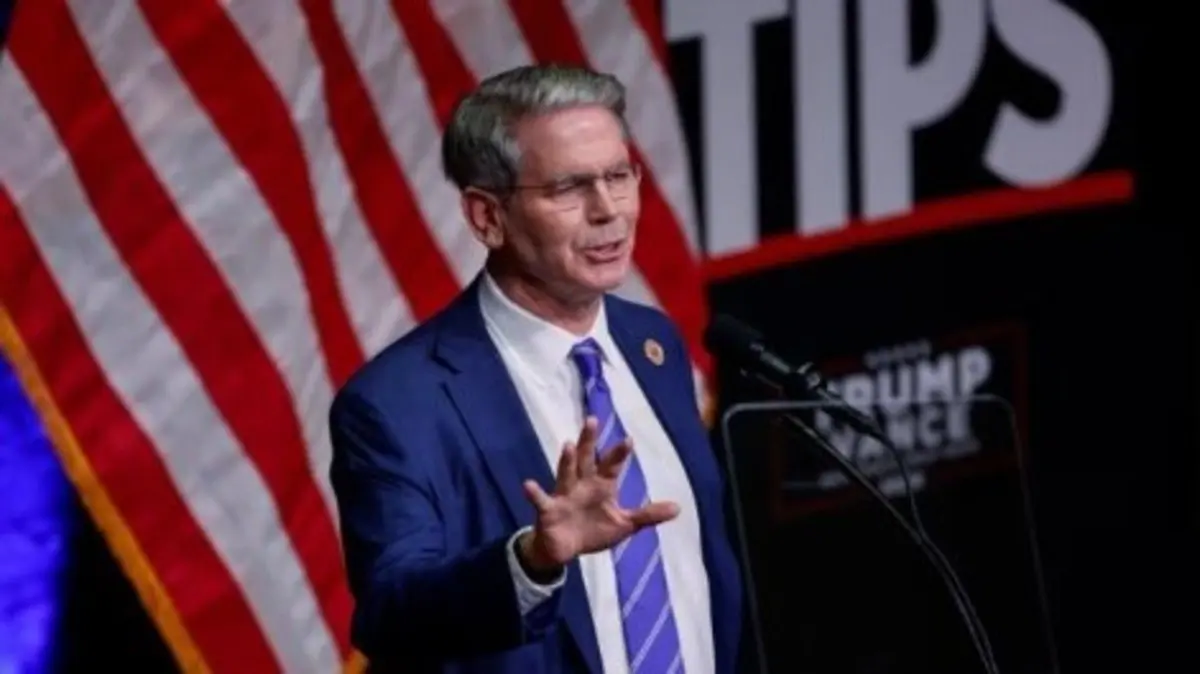
Treasury Secretary Scott Bessent defended the campaign by saying, “Iran’s enablers cannot continue to enjoy access to the U.S. dollar and the global financial system.”
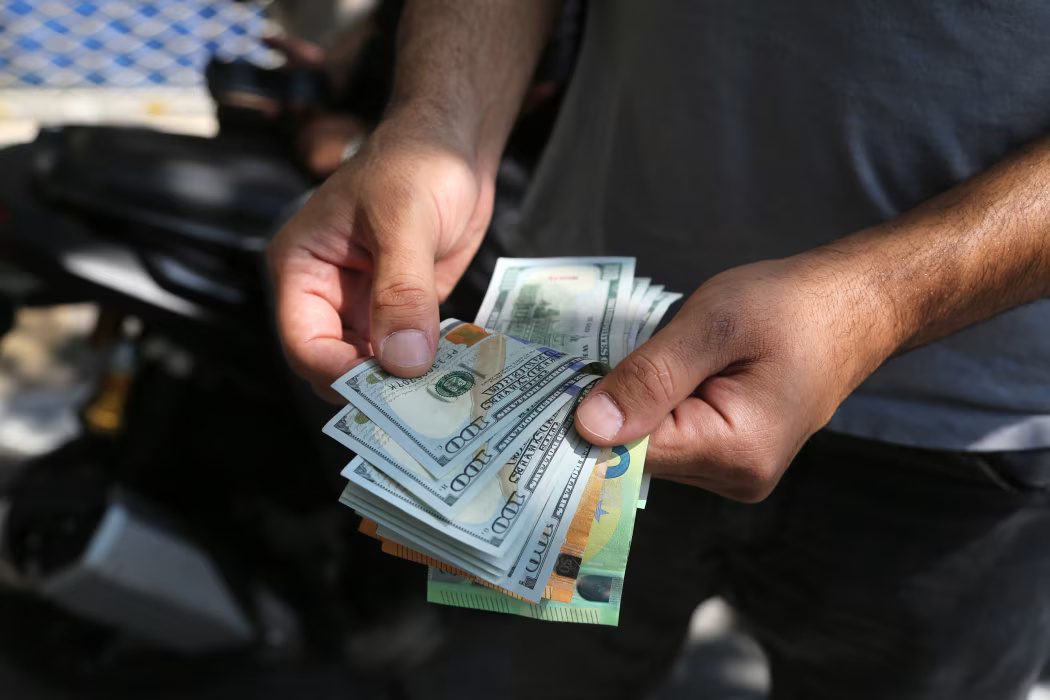
An estimated $9 billion in Iranian shadow-banking activity flowed through U.S. correspondent accounts in 2024, according to the Treasury Department's Financial Crimes Enforcement Network, exposing significant cracks in America's sanctions regime against Tehran. FinCEN found that Iranian-linked funds move indirectly through foreign banks, shell companies, and intermediaries across financial hubs in the UAE, Hong Kong, China, and Singapore—bypassing direct sanctions on Iranian entities.
The Trump administration has launched "Operation Economic Outcast" to tighten the financial noose, proposing to restrict an Egyptian bank's UAE branches from accessing U.S. dollar accounts. But the effort highlights an uncomfortable reality: aggressively cutting off Iranian networks risks disrupting legitimate international commerce and the reliability of global dollar settlement itself.
$9 Billion Flows Through Shell Companies and Front Oil Dealers
Of the $9 billion identified by FinCEN, approximately $5 billion involved foreign shell companies and $4 billion involved dozens of foreign oil companies that appeared to be Iranian front operations, according to IBTimes. Banque Misr's UAE branches alone processed roughly $1.8 billion between January 2024 and June 2026 for 103 companies potentially tied to Iranian shadow-banking networks.
The Treasury proposed barring these specific UAE branches from maintaining U.S. correspondent accounts—a move that would require a 30-day public-comment period. The proposal targets the Egyptian bank's branches rather than the American banks like JPMorgan Chase and Citigroup that hold its dollar accounts, both of which declined to comment on their relationships.
China Buys Over 80% of Iran's Oil Despite U.S. Pressure
China has become Iran's financial lifeline, purchasing more than 80% of Tehran's oil exports and importing over 500,000 barrels per day in August alone, according to Kpler data cited by The Wall Street Journal. This flow continues even as the Trump administration intensifies pressure through Operation Economic Outcast.
To obscure the trail, Iranian oil moves through ship-to-ship transfers at sea and alternate documentation schemes. An estimated 80 million barrels sit in floating storage across Asian waters. Crucially, FinCEN noted that some transactions now settle in Chinese yuan rather than U.S. dollars, reducing Tehran's dependence on the greenback and American financial oversight.
Dollar Access Remains Iran's Vulnerability and Washington's Dilemma
Treasury Secretary Scott Bessent defended the crackdown, stating: "Iran's enablers cannot continue to enjoy access to the U.S. dollar and the global financial system." Yet aggressive correspondent-account restrictions risk collateral damage—disrupting legitimate trade and eroding confidence in dollar settlement for honest foreign banks.
The United States therefore pursues a calibrated strategy: targeting specific intermediaries and high-risk networks rather than severing every institution that touches Iranian money. The Banque Misr action exemplifies this approach. As Daily Hodl reported, the proposed restriction isolates a single bank's branches while leaving broader dollar infrastructure intact—a compromise that acknowledges sanctions' limits without dismantling global finance.
Sentiment
Mostly NegativeNEGATIVENEUTRALPOSITIVE
Publishers
15
Articles
33
Reach
48
A
AnonymousAuthor