Protecting Winter Wildlife
Gardeners Should Leave Fall Yard Cleanup Until Spring to Protect Local Wildlife
Anonymous
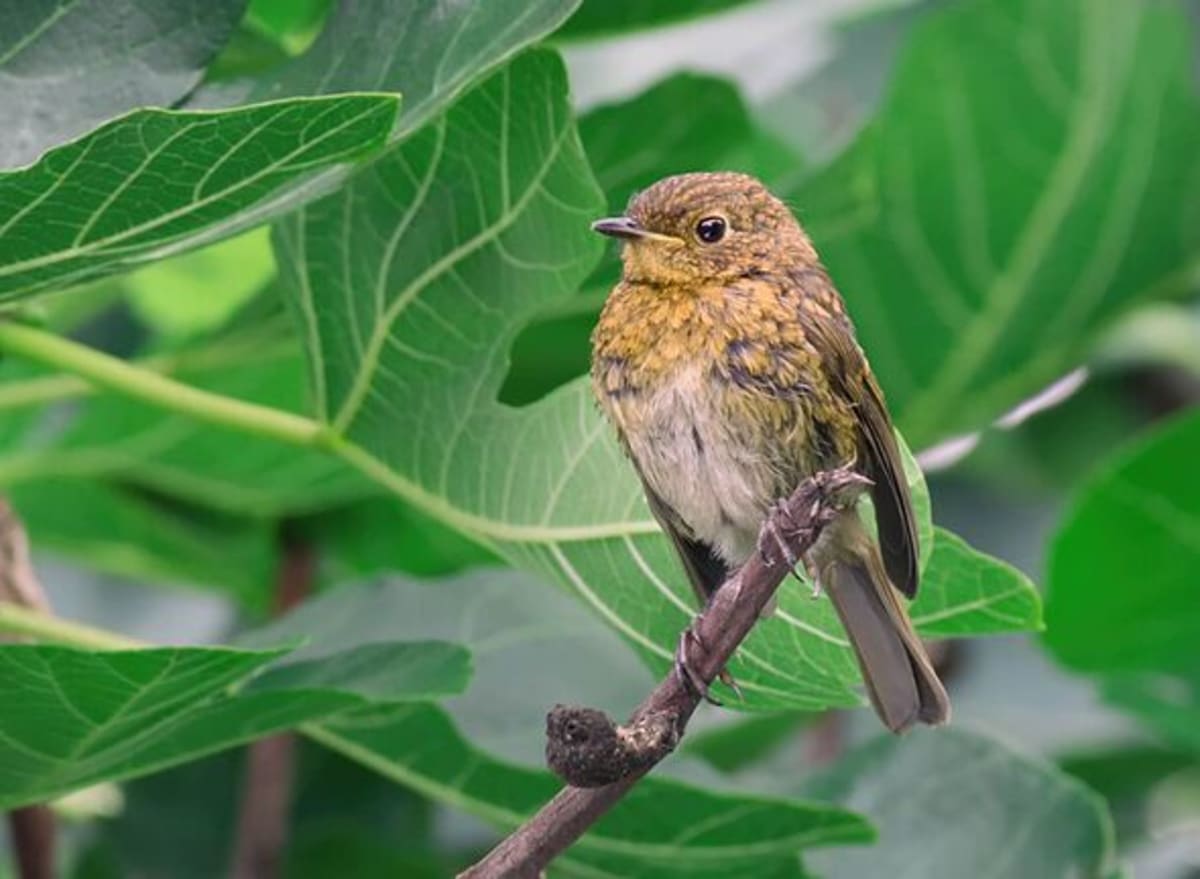
Gardeners can support pollinators, beneficial insects, and birds by resisting the urge to thoroughly clean up yards in fall. Leaf litter, hollow stems, spent flower heads, and standing perennials can provide overwintering shelter, nesting sites, insulation, and food, including seeds that remain accessible above snow. Experts recommend leaving suitable plant material in place until spring, when it can be cut back; a bee house is another option for providing nesting and winter shelter for some bees. The broader advice is to treat even a small yard as an ecosystem and make winter cleanup choices with wildlife in mind.
Key Points
1
Queen bumblebees may overwinter just beneath the soil, while native bees and ladybugs can shelter inside hollow stems.
2
The article notes that pollinators include butterflies, moths, beetles, flies, and some wasps—not just bees—and that garden habitat also supports predators and decomposers that help ecosystems function.
3
The RSPB says blackbird numbers in the UK rise in autumn as birds arrive from northern Europe; it recommends fruit as food, and blackbirds tend to forage on lawns or low ground-feeding trays rather than hanging feeders.
4
A closely cropped lawn can offer little wildlife habitat; ecological landscape designer Kim Eierman describes it as a “green desert.”
Sentiment
Mostly NegativeNEGATIVENEUTRALPOSITIVE
Publishers
15
Articles
14
Reach
29
A
AnonymousAuthor


