Airport Strike Chaos
Surprise Strike at Ben Gurion Airport Strands 100,000 Travelers During Peak Season
Key Points
The disruption affected more than 100,000 passengers and over 600 flights in a single day, underscoring the scale of the impact on Ben-Gurion during peak travel season.
An Air France plane bound for Israel reportedly turned back to France as part of the broader disruption, with authorities saying more than 80 other flights could also divert.
Pilots were reportedly asked not to report for duty to prevent their working hours from being counted, signaling potential longer-term crew availability issues.
Parking stands near Terminal 3 and Terminal 1 were crowded by more than 20 American refuellers, delaying luggage handling and contributing to longer passenger wait times amid the bottleneck.
The Histadrut labor federation rejected the claim that the action was a wildcat strike, signaling pushback from unions amid management accusations of deliberate disruption.
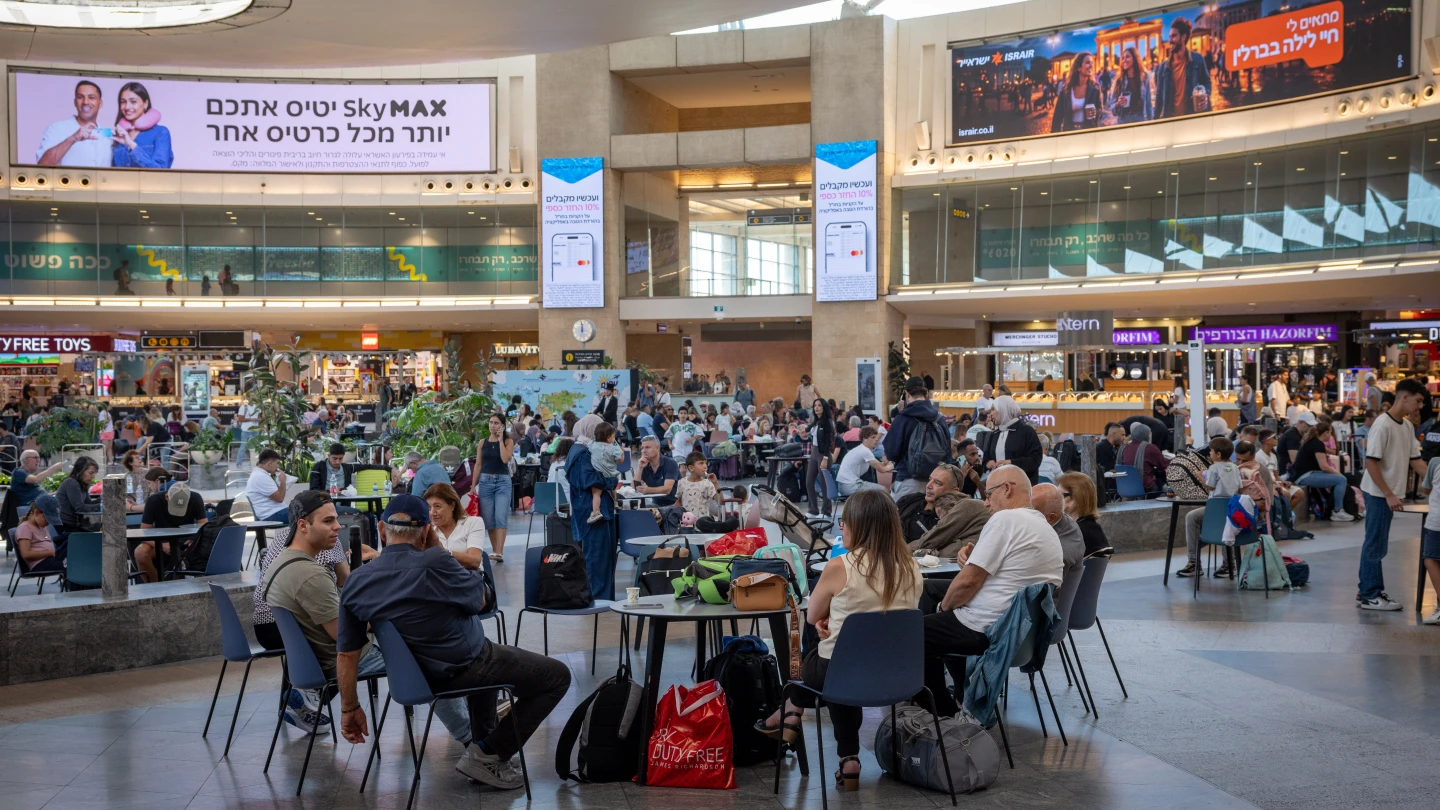
Ben Gurion Airport ground to a near halt on one of the year's busiest travel days as workers staged a surprise strike, disrupting operations for more than 100,000 passengers and over 600 flights Times of Israel. Check-in counters shut down, baggage processing backed up, and planes sat stranded on tarmac as the crisis unfolded during peak summer season Belaaz News.
Prime Minister Benjamin Netanyahu pledged the airport would "remain open" and vowed consequences for those who interfere with operations Jerusalem Post. Transportation Minister Miri Regev demanded the labor court intervene as the Israel Airports Authority accused the Histadrut union of deliberate sabotage and pledged legal action JNS. Management warned the disruption could intensify during the busy summer months.
How the Shutdown Crippled Airport Operations
When workers walked out, check-in desks closed entirely across the airport's main terminals. Baggage handling systems maxed out and planes couldn't offload luggage. Ground crews stretched too thin meant hundreds of flights stalled on the tarmac Belaaz News. Parking stands near Terminal 3 and Terminal 1 filled with over 20 American refuelers, blocking luggage trucks and forcing longer passenger waits.
An Air France flight bound for Israel turned back to France rather than attempt landing JFeed. At least 80 other flights diverted to nearby airports. Pilots received requests not to report for duty—a move designed to prevent their work hours from counting toward limits. This signaled potential crew availability problems for days ahead Times of Israel.
Workers' Union Disputes Sabotage Claims
The Israel Airports Authority called the action a coordinated attack intended to damage airport performance. Management blamed the Histadrut labor federation for orchestrating the shutdown JNS. Officials demanded workers return immediately and warned legal consequences would follow.
But the Histadrut rejected the "wildcat strike" label and pushed back against sabotage accusations JNS. The union framed the work stoppage as a response to operational failures—including aircraft loading difficulties and insufficient parking stands. This dispute suggests deeper labor tensions lurk beneath the surface dispute.
Government Escalates Pressure to Restore Service
Transportation Minister Miri Regev pressed hard for labor court intervention, despite being away on a private trip to Morocco. Senior ministry officials had visited the airport the day before amid rising tensions Times of Israel. Netanyahu's zero-tolerance stance signaled the government would not negotiate with striking workers.
Operations began gradually resuming as workers returned to their posts Times of Israel. However, many staff remained absent, creating uncertainty about full recovery. Management warned that summer's heavy travel season could amplify disruptions if the crisis isn't fully resolved soon JFeed.
Sentiment
Mostly NegativePublishers
25
Articles
7
Reach
32


