Stig's Safety Lawsuit
Former Top Gear Stig Paul Rees Sues BBC Over Crash, Citing Safety Failures And Lasting Trauma
Anonymous
Key Points
1
Rees was reportedly brought to hospital after a two-hour delay at the crash site, with on-site medics allegedly telling staff 'I'm not equipped for this,' and he later disclosed that he had broken his back and now lives with PTSD.
2
Rees says he was asked to join Flintoff in the Morgan Super 3 because Flintoff wasn’t considered dynamic enough to pull off the required corner, and he had warned the BBC about the risks from the start, but claims the BBC did not listen.
3
Rees has launched a damages claim against the BBC, with reports suggesting the damages could exceed £100,000.
4
The Stig’s identity was publicly revealed by The Sun, confirming Paul Rees as the driver behind the helmet, a development that brought renewed scrutiny to Top Gear’s safety practices.
The man behind Top Gear's iconic white helmet has broken his silence — and his account is harrowing. Paul Rees, publicly identified as The Stig by The Sun, says his vision turned "red with Flintoff's blood" as the Morgan Super 3 flipped at Dunsfold Aerodrome in December 2022. He feared both of them would die. Belfast Live reported that Rees has now launched a damages claim against the BBC that could exceed £100,000.
Freddie Flintoff suffered serious facial and rib injuries in the crash. The BBC paused Top Gear and later reportedly settled with Flintoff for around £9 million. But Rees, who broke his back in the same crash, says he is still fighting for accountability.
'I Thought He Was Dead': Inside the Crash
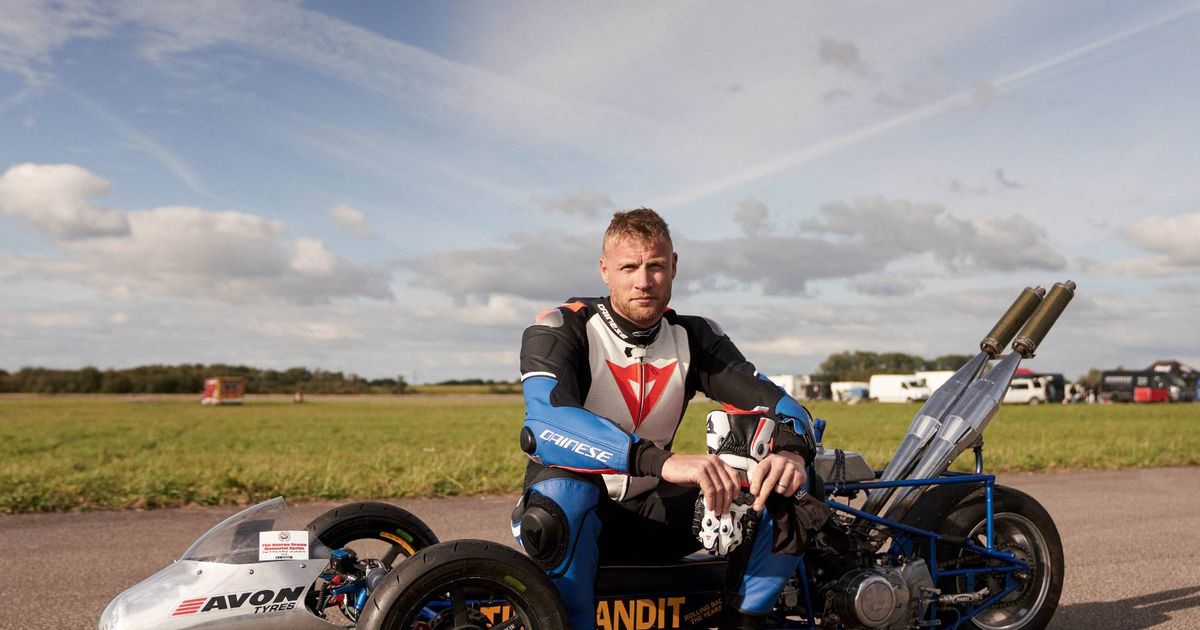
Rees was sitting beside Flintoff when the open-top Morgan Super 3 overturned at the Dunsfold Aerodrome test track. According to Leeds Live, Rees watched Flintoff go limp and believed he had died at the scene. Blood covered Rees's visor. He described the moment his world went silent and red.
Rees was not immediately taken to hospital. Ipswich Star reported that on-site medics allegedly told staff "I'm not equipped for this." There was a two-hour delay before he was transported for treatment. Rees later learned he had broken his back. He now lives with PTSD as a result of the crash.
BBC Ignored Risk Warnings Before the Stunt, Rees Claims
Rees says he was put in the car because Flintoff "wasn't considered dynamic enough" to handle the required corner alone, according to Yahoo News. Rees claims he raised safety concerns with the BBC before the stunt was filmed. He says the BBC did not listen.
The Morgan Super 3 has no roof. It offers little protection in a rollover. Rees told reporters the BBC put his life at risk by pressing ahead despite those warnings. "They didn't listen," he said. BBC Studios has disputed ongoing liability as the legal case unfolds.
The £9 Million Settlement and Flintoff's Recovery
Flintoff's injuries were severe enough to keep him off television for over a year. The BBC paused Top Gear production shortly after the crash. The corporation reportedly settled with Flintoff for around £9 million, though neither side officially confirmed the figure. The show has not returned since.
Flintoff has since spoken publicly about the psychological toll. Like Rees, he has described lasting trauma. Head Topics noted that both men have been open about the mental health impact of the crash. Flintoff has returned to some public appearances, but Top Gear's future remains unclear.
Stig's Identity Revealed, Safety Scrutiny Intensifies
The Stig's identity has always been a closely guarded secret — a central part of Top Gear's brand. That changed when The Sun named Paul Rees as the driver behind the helmet. The revelation put a human face on a crash that had previously centered on Flintoff.
Rees's damages claim, which could top £100,000, now puts the BBC's safety culture under fresh legal scrutiny. His lawyers argue the BBC failed in its duty of care. The BBC has defended its handling of the incident. The case is ongoing, and Top Gear's hiatus shows no sign of ending.
Sentiment
Mostly NegativeNEGATIVENEUTRALPOSITIVE
Publishers
15
Articles
40
Reach
55
Topics
A
AnonymousAuthor


