Pentagon UAP Files
Pentagon Declassifies Fourth Batch of UAP Files, Revealing New Videos and Incident Details
Anonymous
Key Points
1
NASA imagery from the 1996 STS-80 mission is included in the PURSUE tranche, labeled NASA-UAP-D030, STS-80 Unidentified Object Image 1, showing a small triangular or cone-shaped object captured by astronauts aboard Space Shuttle Columbia.
2
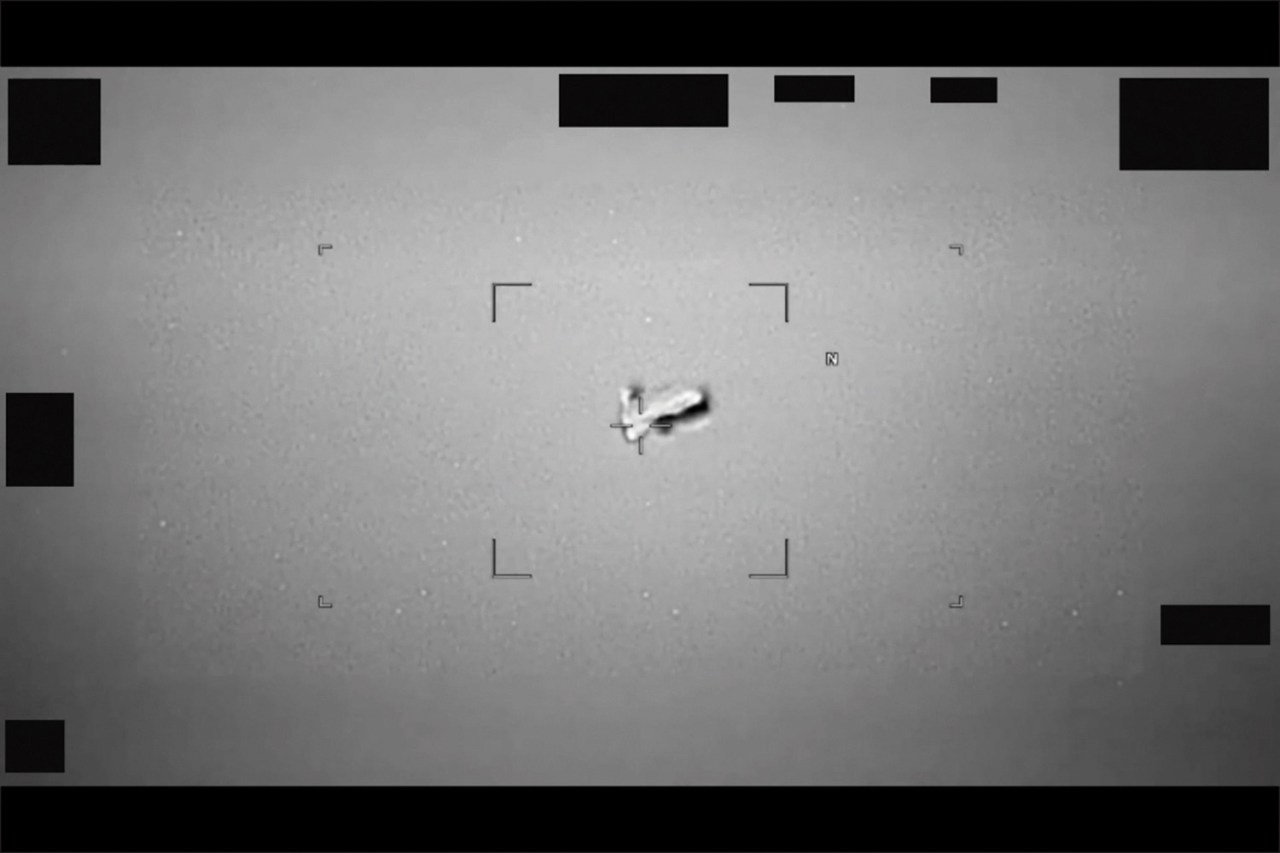
The fourth PURSUE release comprises a quantified collection: 14 documents, 19 videos, 4 audio files, and 3 images.
3
A notable 2015 Energy Department file recounts a Pantex nuclear weapons facility intrusion, describing a diamond-shaped object (about four feet tall and two feet wide at the base) moving at 10–15 mph, with no sound and no detectable propulsion, which continued north offsite after a brief pursuit.
4
The new batch notes that the videos were captured using multi-sensor electro-optical targeting systems on fighter aircraft or UAVs, highlighting the mixed sensor data used in the documentation.
5
Sandia National Laboratories examined surveillance footage related to the incidents and forwarded the FBI all of the evidence, indicating ongoing efforts to catalog and share material with federal investigators.
The Pentagon has released its fourth batch of declassified UFO files, adding 19 videos, 14 documents, 4 audio files, and 3 images to the public record on unidentified aerial phenomena, according to MyHighPlains. The release came under the Presidential Unsealing and Reporting System for UAP Encounters — known as PURSUE — following an executive order signed by President Donald Trump earlier this year.
The new files come from multiple federal agencies, including the Pentagon, NASA, the CIA, the FBI, and the Energy Department. Many items date to 2010 or later and feature infrared footage of encounters captured worldwide. Officials say the release aims to satisfy public demand for government transparency on unexplained sightings.
Diamond-Shaped Object Spotted Over Nuclear Weapons Site
One of the most striking files in the release describes a 2015 intrusion at the Pantex nuclear weapons facility in Texas. According to Fox21 News, officers chased a diamond-shaped object roughly four feet tall and two feet wide at the base. It moved at 10 to 15 mph, made no sound, and showed no detectable propulsion system.
The object eventually moved north and left the facility grounds. Sandia National Laboratories later reviewed surveillance footage from the incident. The lab then forwarded all evidence to the FBI, signaling that federal investigators are actively cataloging the material.
NASA Shuttle Footage and 1949 Fireball Debates Surface
The tranche also includes historical and space-based material. One file — labeled NASA-UAP-D030 — comes from the 1996 STS-80 mission aboard Space Shuttle Columbia. It shows a small triangular or cone-shaped object captured by astronauts, according to KARK. The footage is now part of the official declassified record.
Another document revisits a 1949 Los Alamos conference where physicists debated the nature of so-called green fireballs. Scientists at the time questioned whether a meteor explanation fully held up for certain sightings. That decades-old debate is now folded into the same public archive as modern military footage.
Fighter Jets and Drones Captured the Bulk of the Videos
Most of the 19 videos were not shot by bystanders with phones. According to WWLP, the footage came from multi-sensor electro-optical targeting systems mounted on military fighter aircraft or drones. That means the clips carry a higher level of technical credibility than typical UAP footage shared online.
Even so, many videos remain grainy and open to interpretation. Officials have not claimed the footage shows craft of non-human origin. The government's stated goal is simply to put the raw material in front of the public and let the record speak for itself.
Trump's Executive Order Drives Ongoing Declassification Push
The PURSUE program was created under an executive order Trump signed in early 2025. It set up a dedicated Pentagon website where each new tranche of files is posted. This fourth release follows three earlier batches, suggesting the declassification effort is now on a rolling schedule, according to Fox16.
The files span multiple agencies and decades, from Cold War-era lab notes to recent drone encounters. Whether future releases will include more definitive evidence remains unclear. For now, the government has added 40 new items to a growing archive that millions of people can access directly online.
Sentiment
Mostly NegativeNEGATIVENEUTRALPOSITIVE
Publishers
21
Articles
65
Reach
86
A
AnonymousAuthor


