Cane Toad Pet Hazard
Invasive Cane Toads Pose Deadly Threat to Florida Pets During Rainy Season
Anonymous
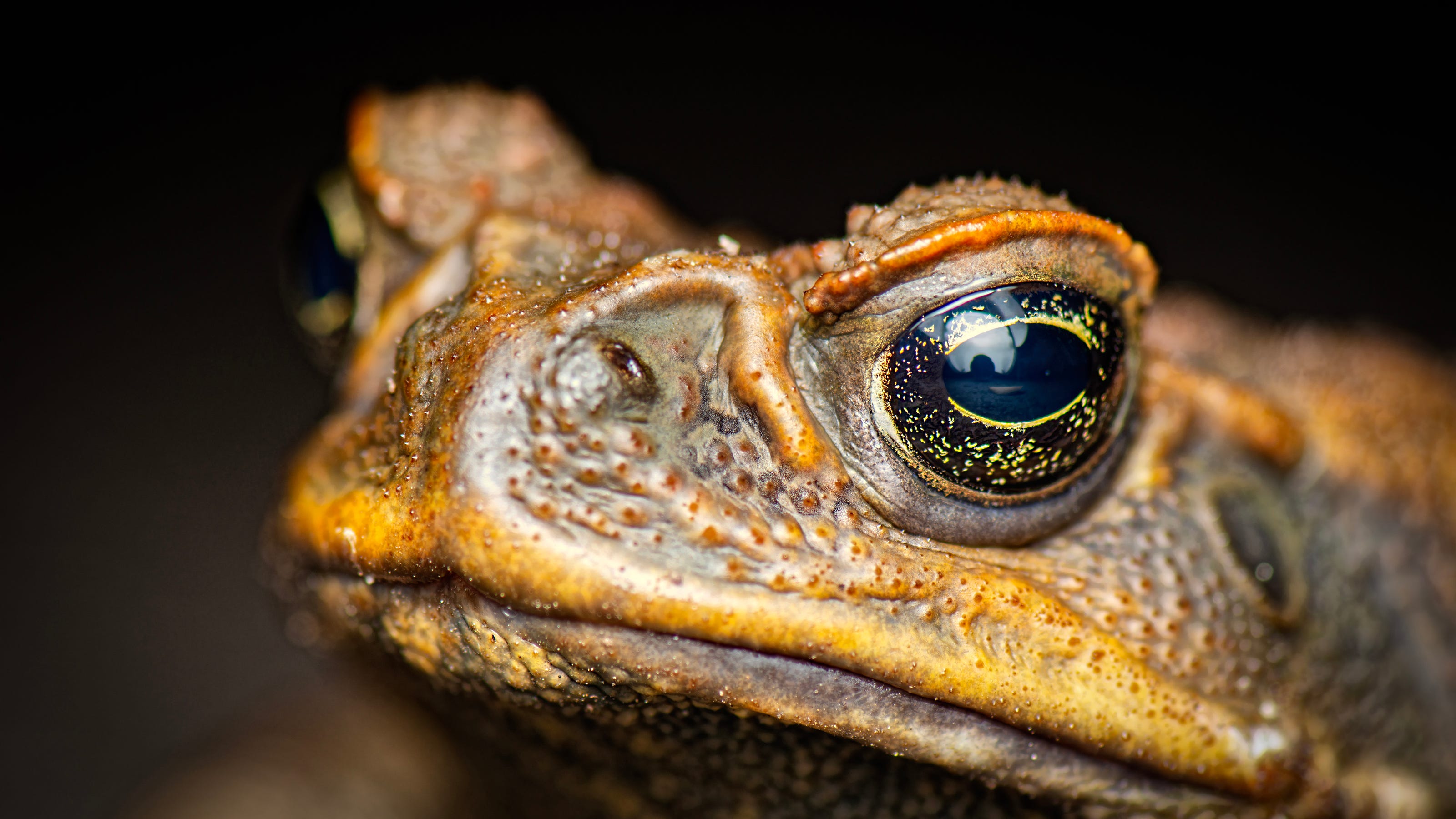
Florida pets face a deadly threat this rainy season from cane toads — large, invasive amphibians that can kill a dog or cat within 15 minutes of contact, according to News-Press. The toads, also called bufo, giant, or marine toads, are spreading across the state and are most active during warm, wet months.
The danger comes from glands behind the toads' eyes that release a thick, milky-white poison called bufotoxin. This toxin coats the toad's skin and even its eggs. Any pet that bites or mouths one of these toads is at serious risk, USA Today reports.
How Bufotoxin Kills Pets So Quickly
When a pet bites a cane toad, the toxin is absorbed through the mouth almost instantly. Symptoms can appear within minutes. A pet can die in as little as 15 minutes if left untreated, according to Palm Beach Post. The poison attacks the nervous system and the heart, making it a medical emergency.
Native wildlife is also at risk. Animals that eat cane toad eggs — which also contain bufotoxin — can be harmed or killed. This makes cane toads a threat not just to pets, but to Florida's broader ecosystem, Herald Tribune reports.
What to Do If Your Pet Is Poisoned
Speed is everything. The Florida Fish and Wildlife Conservation Commission says to rinse the toxin out of your pet's mouth with a garden hose for a full 10 minutes. Point the hose forward so the water — and poison — flows out, not down the throat.
After rinsing, use a damp cloth or dish towel to wipe the inside of the pet's mouth, including the gums and tongue. Then get to a vet immediately. Do not wait to see if symptoms improve on their own, Jacksonville.com warns.
How to Spot and Remove Cane Toads From Your Yard
Cane toads are easy to tell apart from native toads. They are large — often the size of a person's fist — and have dry, bumpy, brown or grayish skin. Native toads have a ridge between their eyes. Cane toads do not, according to News-Press.
To remove one safely, wear gloves and eye protection to avoid getting toxin on your skin or in your eyes. Pick the toad up and place it in a sealed bag. If you have a serious infestation, the Florida Wildlife Commission recommends calling a licensed wildlife trapper, USA Today reports.
Why Cane Toads Are Thriving in Florida Right Now
Cane toads are not native to Florida. They were introduced decades ago and have spread rapidly. They thrive in warm, wet conditions — exactly what Florida's rainy season provides. More rain means more breeding, more eggs, and more toads in yards and neighborhoods, Herald Tribune notes.
Pet owners are urged to keep dogs and cats indoors at night, when cane toads are most active. Check your yard before letting pets out, especially near water, ponds, or garden beds where toads like to hide, according to Palm Beach Post.
Sentiment
NeutralNEGATIVENEUTRALPOSITIVE
Publishers
5
Articles
4
Reach
5
A
AnonymousAuthor


