Future EV Design Preview
Polestar Unveils Formula 2030 Concept to Preview Next-Generation Electric Vehicles
Anonymous
Key Points
1
Formula 2030 is Philipp Römers’s first Polestar design created entirely from a clean sheet; models shown since he joined in January 2025, including the Polestar 4, were already in development before his arrival.
2
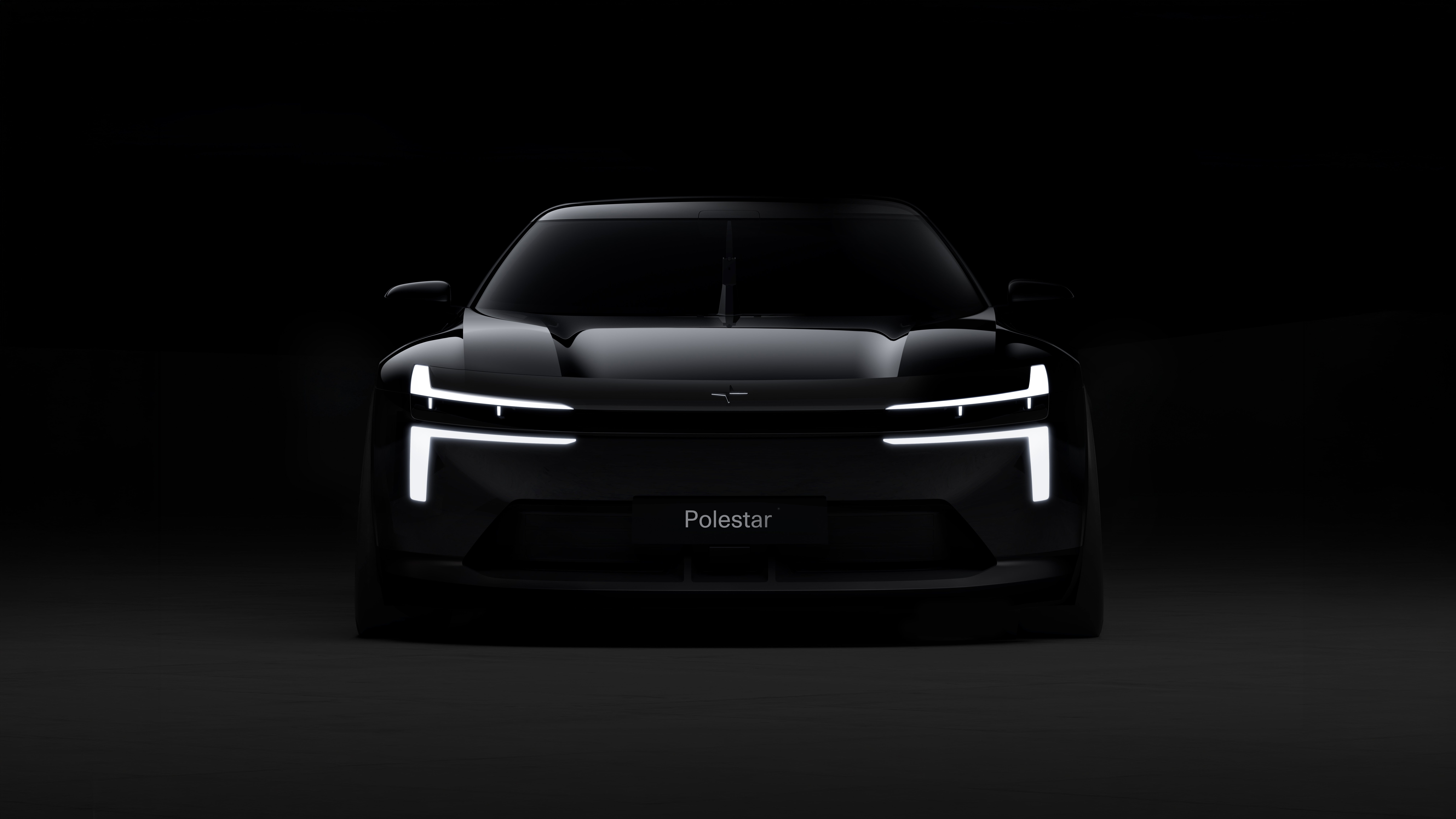
The teaser suggests a substantially revised front-end layout: enlarged Thor’s Hammer daytime-running lights sit above and below a slim opening containing the main headlights, alongside an aerodynamic bridge inspired by the Polestar 3.
3
Polestar may also rethink established rear-end features, including the solid rear light bar and the absence of a rear window, rather than carrying them unchanged into future models.
4
The concept’s performance emphasis may include an S-duct aerodynamic system that channels air through the front and bonnet to increase front-end downforce; Römers said dynamics could help distinguish Polestar from its sibling brand Volvo.
5
The recently revealed Polestar 4 SUV is priced from £54,750 in the U.K., offers up to 1,665 litres of luggage capacity and has a claimed maximum range of 391 miles; unlike the original Polestar 4, it includes a conventional rear window.
Polestar has unveiled Formula 2030, a concept car that previews the design future of its next-generation vehicles arriving by 2028. The teaser shows a bolder, lower and wider form that keeps Polestar's signature Thor's Hammer lighting while exploring fresh aerodynamic shapes and interior ideas Which Car. The full reveal comes in October 2026, as the Swedish EV maker races to return to profit by 2030 amid mounting losses and weak sales growth.
Polestar reported an $842 million loss in the first half of 2026, with sales growth nearly flat and revenue declining The Driven. The company also faces a major U.S. market setback linked to connected-vehicle regulations, restricting access to the American market for 2027 models. Formula 2030 represents design chief Philipp Römers's first concept built from scratch since joining in January 2025.
How Formula 2030 Keeps Polestar's Visual Identity
The concept retains Polestar's recognizable Dual Blade or Thor's Hammer daytime-running lights, but repositions them above and below a slim headlight opening. An aerodynamic bridge inspired by the Polestar 3 flanks the new front end Which Car. By holding on to these signature elements, Polestar strengthens brand recognition while launching expensive replacement models and rebuilding investor confidence during its financial struggle.
The rear end may change more dramatically. Polestar is considering revising the solid rear light bar and the absence of a rear window rather than carrying them unchanged into future models The News Tribune. This balance—evolution rather than revolution—lets Polestar appear fresh without losing the visual identity younger buyers have begun to recognize.
Performance Details Could Set Polestar Apart
Formula 2030 emphasizes performance dynamics as a way to stand out from its parent brand Volvo and rival EV makers. The concept may include an S-duct aerodynamic system that channels air through the front and bonnet to boost front-end downforce The News Tribune. Polestar aims to appear ambitious and capable without the aggressive, confrontational styling common among newer electric vehicles.
Polestar 4 Launches as Financial Pressure Mounts
The recently revealed Polestar 4 SUV is priced from £54,750 in the U.K., offers up to 1,665 litres of luggage space and claims a maximum range of 391 miles Which Car. Unlike the original Polestar 4, it includes a conventional rear window. The new model is meant to broaden Polestar's market reach and boost sales volume.
Polestar's expanding lineup—including the upcoming Polestar 7 compact SUV in 2028 and the next Polestar 2 in 2027—requires heavy spending before sales can offset development costs The Driven. However, production growth has slowed, revenue has fallen and U.S. market access is severely restricted, limiting the sales scale needed to recover investments during this costly product transition.
Sentiment
Mostly PositiveNEGATIVENEUTRALPOSITIVE
Publishers
23
Articles
39
Reach
62
A
AnonymousAuthor


