French Wine Output Plummets
France's Wine Production Falls Toward Record Low Due to Extreme Heat and Drought
Anonymous
Key Points
1
Government statistics agency Agreste projects French wine production at under 34 million hectolitres in 2026—6% below 2025 and 17% below the recent five-year average.
2
The summer was described as the hottest in recorded French history, with temperatures repeatedly exceeding 40°C; drought, sun scald and scorched vines damaged grapes before harvest crews could mobilize.
3
Wildfire smoke drifting over Bordeaux vineyards raised concerns that smoke taint could penetrate grape skins and compromise the flavor profiles of the resulting wines.
4
The projected shortfall could push France into third place among global wine-producing countries, behind Italy and another leading producer, according to Jean-Marie Cardebat.
5
The crisis is raising concerns beyond French vineyards: depleted inventories and higher prices are expected to affect international hospitality groups, retailers and private collectors that depend on premium French wines.
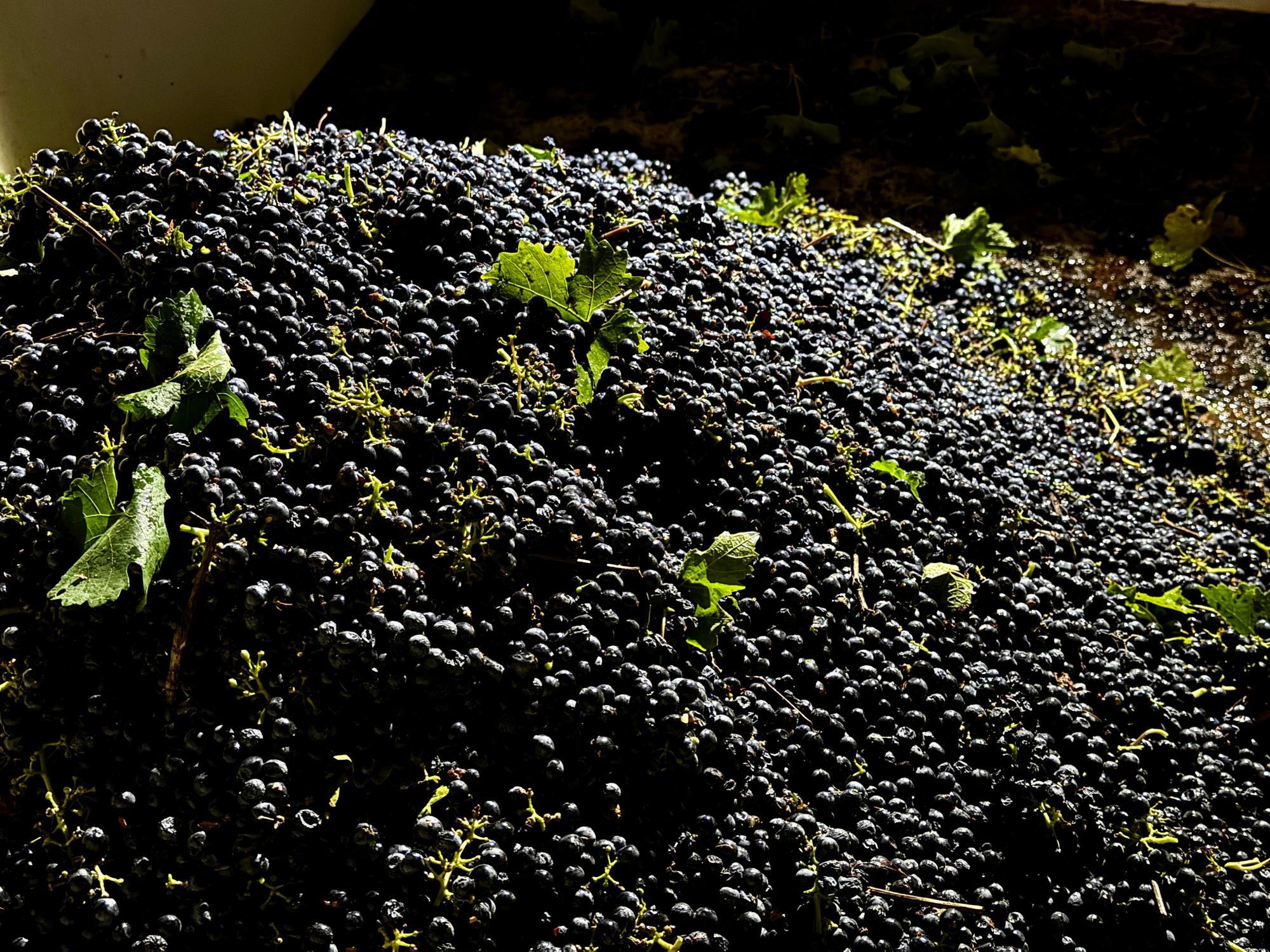
France's wine production is heading toward a 70-year low in 2026, marking a third straight year of decline. Agreste, the government statistics agency, projects output at under 34 million hectolitres — down 6% from 2025 and 17% below the recent five-year average. Record heat, severe drought, and wildfire smoke have devastated vineyards across the country, threatening France's dominance in global wine markets.
The crisis is especially brutal in cooler regions like Champagne, Burgundy, and the Loire Valley, where some estates are harvesting at their earliest dates on record and producing only half a typical yield. Rising costs, depleted inventories, and shrinking supply are expected to push prices higher and reshape how international buyers source premium French wine.
A Historic Heatwave Scorches French Vineyards
France endured the hottest summer in recorded history, with temperatures repeatedly exceeding 40°C. The extreme heat, combined with severe drought, caused sun scald and scorched vines before harvest crews could mobilize. Agreste data shows the cumulative damage has pushed production down for three consecutive years, signaling a structural crisis rather than a one-off bad season.
Wildfire smoke drifting over Bordeaux vineyards has raised additional concerns. Industry experts worry that smoke taint could penetrate grape skins and compromise flavor profiles in the resulting wines. While Bordeaux and Languedoc-Roussillon reported better harvests than last year, cooler regions suffered catastrophic losses.
Maison Louis Latour Picks Earlier Than Ever
The legendary Burgundy house, Maison Louis Latour, began harvest at the earliest date in its history. Despite excellent grape quality, the estate produced only about half its typical yield. Earlier harvests driven by extreme heat are creating staffing shortages and logistical chaos across France's wine regions.
The unpredictable weather and compressed harvest windows are forcing growers to rethink decades of tradition. Some estates, like Château Lafleur, are abandoning prestigious appellation designations to gain flexibility in how they grow grapes and manage water use — a radical shift that reflects desperation in the industry.
Appellation Rules Under Fire as Growers Seek Flexibility
France's strict appellation system limits grape varieties, planting density, and water use. Critics argue these regulations made vineyards more vulnerable to climate extremes. Estates seeking to adapt are now leaving prestigious designations to adopt climate-resilient practices, signaling loss of faith in traditional French wine governance.
According to Jean-Marie Cardebat, the projected shortfall could push France into third place among global wine producers, behind Italy and another leading nation. Depleted inventories and higher prices are expected to ripple through international hospitality groups, retailers, and private collectors who depend on premium French wines.
Sentiment
Mostly NegativeNEGATIVENEUTRALPOSITIVE
Publishers
12
Articles
47
Reach
59
Topics
A
AnonymousAuthor


