Chad's Political Pardon
Chad Pardons Opposition Leader Succès Masra and Eight Others, Seeking National Unity
Key Points
Masra was convicted of inciting hatred, xenophobia and involvement in the Mandakao violence, with prosecutors citing a May 2023 audio recording in which he urged support for a side in the conflict.
The pardon is described as not amounting to an amnesty; civil liabilities stemming from the case remain prosecutable even after release.
A separate presidential decree grants a partial reduction of sentences for other inmates nationwide, but excludes those convicted of terrorism, rape or drug offenses, reinforcing that this is relief rather than a full amnesty.
Masra could leave prison once the Ministry of Justice carries out the necessary procedures after the pardon, with the nine pardoned figures including eight other GCAP leaders.
Opposition figures and parties welcomed the pardon as a potential opening for dialogue, with Masra’s party and RNDT-Le Réveil describing it as a positive signal and a chance to engage in talks, though critics warn real reform requires sustained dialogue beyond pardons.
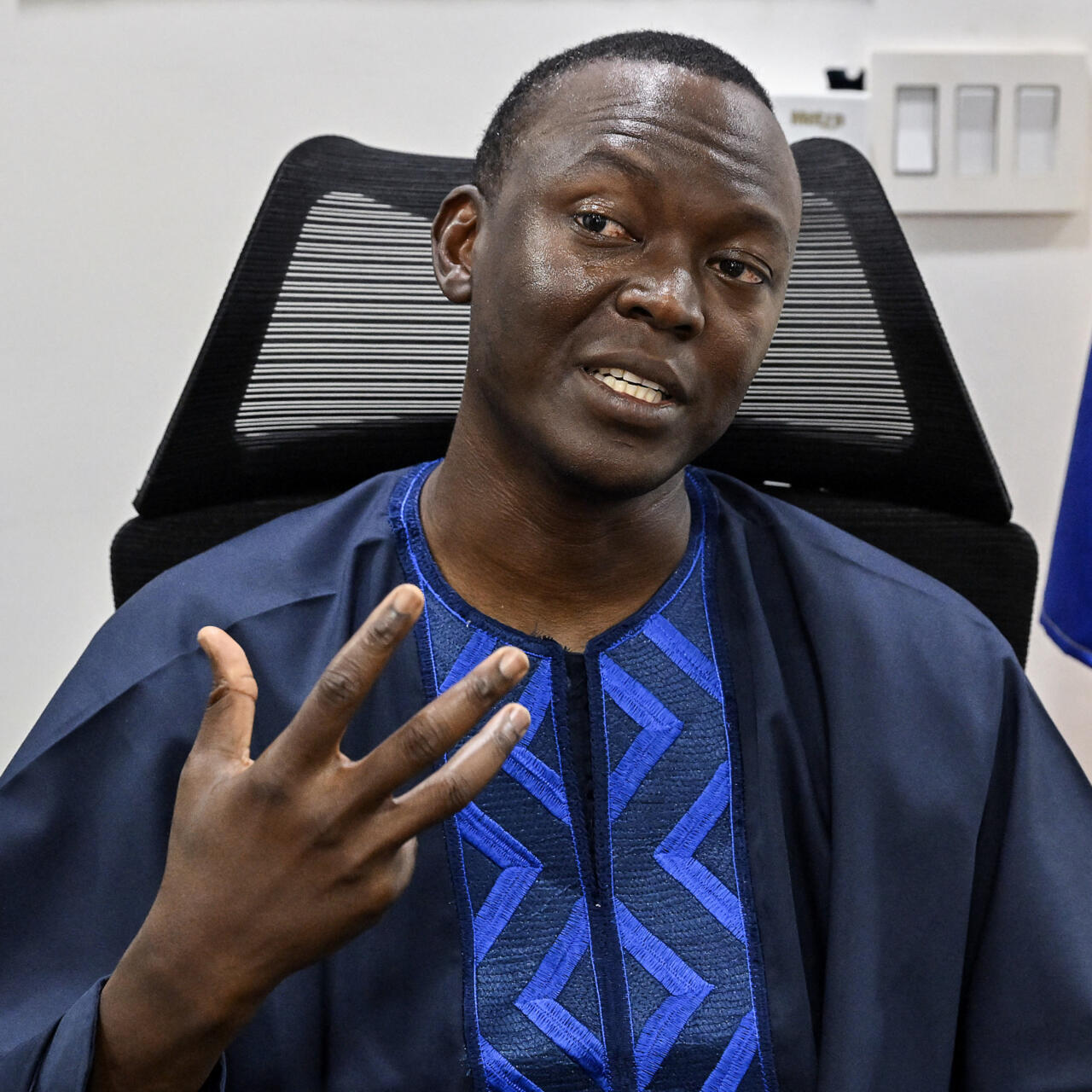
Chadian President Mahamat Idriss Déby Itno has pardoned Succès Masra, the country's leading opposition figure and former prime minister, who was serving a 20-year prison sentence, according to BBC. The pardon also covers eight other opposition leaders from Masra's coalition, the GCAP, and paves the way for their release once the Ministry of Justice completes the required procedures.
The move is framed by the presidency as a step toward national unity. But rights groups and opponents caution that a pardon is not the same as an amnesty — meaning Masra's conviction stands and his civil liabilities can still be pursued in court, BBC notes.
How Masra Ended Up With a 20-Year Sentence
Masra, leader of Chad's main opposition party, was arrested in May 2024 over his alleged links to violence in Mandakao, a local conflict that left dozens dead. Prosecutors pointed to an audio recording from May 2023 in which Masra allegedly urged support for one side in the clash. He was convicted of inciting hatred and xenophobia and handed a 20-year term, according to BBC.
Rights groups long called the case politically motivated. Masra had been one of President Déby's most vocal critics before briefly serving as prime minister under a power-sharing deal. His arrest was seen by many observers as a way to sideline a dangerous rival ahead of Chad's political transition, African News reported.
Pardon Ends Jail Time but Leaves Conviction Intact
The presidential pardon frees Masra and the eight other GCAP leaders from prison. But it does not wipe their records clean. Their convictions remain on the books. Civil liabilities — meaning financial or legal claims tied to the Mandakao violence — can still be pursued against them, BBC noted. That distinction matters: amnesty would have cleared everything; a pardon only stops the jail time.
A separate presidential decree also cuts sentences for other inmates across Chad. The reduction does not apply to those convicted of terrorism, rape, or drug offenses. Observers see this wider decree as part of a broader gesture to ease political tensions in the country, according to African News.
Opposition Welcomes Opening but Demands Real Dialogue
Masra's party and the RNDT-Le Réveil, another opposition group, both called the pardon a positive signal. They described it as a chance to restart talks with the government. The pardons were welcomed as a potential turning point that could open the door to negotiations between the ruling transition authority and opposition forces, BBC reported.
But critics warned that releasing political prisoners is only a first step. Meaningful reform, they argued, will require sustained dialogue and concrete political changes — not just individual pardons. Some noted that Masra's conviction still standing leaves him legally vulnerable, limiting how freely he can engage in politics going forward.
What the Pardon Signals for Chad's Political Transition
Chad has been in a fragile political transition since President Déby's father, Idriss Déby Itno, was killed in April 2021. The younger Déby took power through a military council and has since held elections to formalize his rule. Pardoning a top rival could signal a shift toward broader political openness, according to African News.
Analysts say the reasons behind the clemency remain unclear. It could reflect outside pressure, a desire to stabilize the country, or a calculated political move ahead of future negotiations. Whatever the motive, the fate of Chad's transition — and whether Masra can play a real role in it — will depend on what happens next, BBC reported.
Sentiment
Mostly NegativePublishers
10
Articles
4
Reach
14


