Steam Frame VR Headset
Valve Opens Reservations For The New Steam Frame VR Headset Starting At One Thousand Fifty-Nine Dollars
Anonymous
Key Points
1
Valve began developing the Steam Frame almost immediately after the Steam Index launched, after deciding to prioritize accessibility and ease of use over the Index’s pursuit of maximum VR performance.
2
Valve’s engineers said the Frame is intended to let users interact with Steam similarly to a Steam Deck, with wireless access to both locally run and streamed games rather than requiring the complicated setup associated with a traditional PC VR system.
3
The Frame’s standalone hardware uses an ARM-based processor that is less powerful than the Steam Deck’s, underscoring that Valve is positioning it as a hybrid platform and development framework rather than simply a higher-powered successor to the Index.
4
At its estimated original target price of roughly $750, the Frame would have been more competitive with the Meta Quest 3, which still starts at about $499; the current $1,059 entry price is therefore substantially higher than Valve may initially have intended.
5
The Steam Frame is not the most expensive wireless PC VR headset currently available: IGN contrasts its starting price with the Samsung Galaxy XR’s $1,899 price, though the Samsung device reportedly offers higher-quality OLED optics.
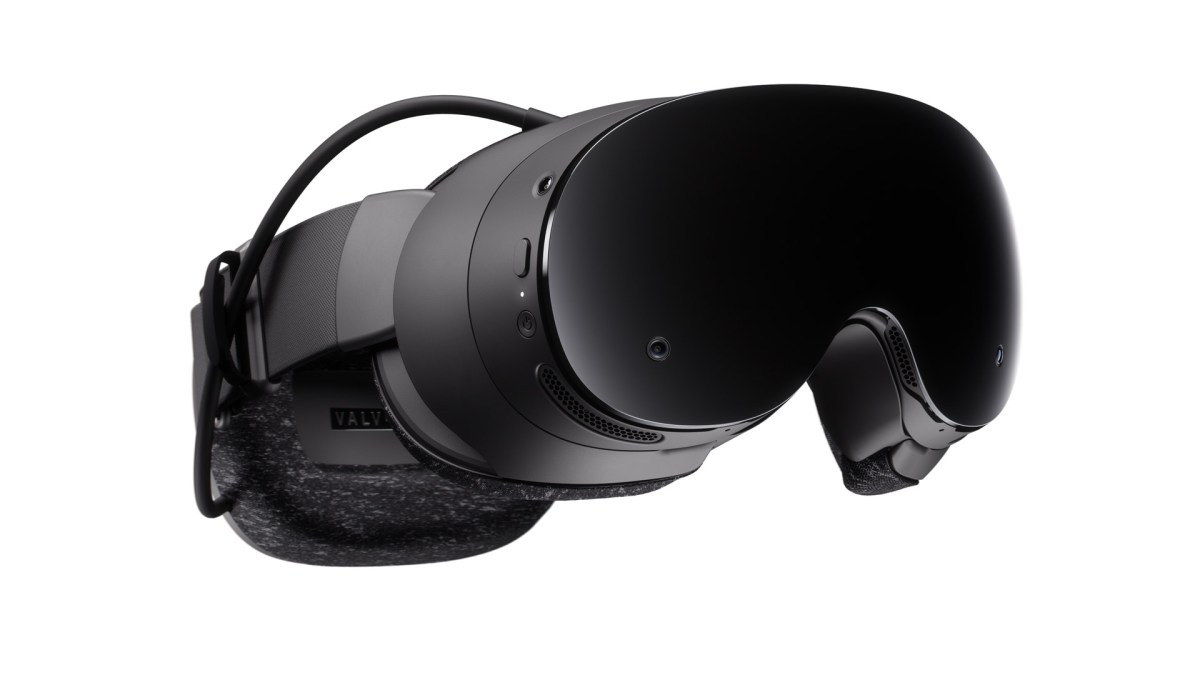
Valve has opened reservations for the Steam Frame, its first standalone VR headset, starting at $1,059 for 256GB storage and $1,299 for 1TB, according to Tom's Guide. The device includes Half-Life: Alyx and combines wireless PC streaming with ARM-based local gaming, marking Valve's shift from the tethered Index toward a more accessible design. Wolf's Gaming Blog reports the price has drawn criticism as substantially higher than Valve's original $750 target.
Reservations close September 17, 2026, with Valve using a randomized lottery to assign early purchase slots, as Valve explained in its press release. The headset weighs just 185 grams at the visor and 440 grams with the headstrap, but early testing from Linus Tech Tips found the limited library of optimized standalone games and performance compromises less compelling than competing devices like Meta's Quest 3 or a Steam Deck.
Why Valve Built a Hybrid VR Headset
Valve started designing the Steam Frame shortly after the 2019 Index launch, deciding to prioritize ease of use over raw performance. The approach splits workload: an ARM-based Snapdragon processor runs optimized games locally, while a PC streams demanding titles wirelessly. This cuts down headset weight and complexity. According to Valve, the design lets users interact with Steam similarly to a Steam Deck—accessing both local and streamed games without the complicated setup traditional PC VR requires.
Component Costs Pushed Price Far Above Target
Rising memory, storage, and chip prices inflated the Frame's cost from an estimated $750 to its current $1,059 entry point, Valve acknowledged. Qualcomm component scarcity and LPDDR5X memory costs drove most of the increase. At over $1,000, the Frame is now more than twice the price of Meta's Quest 3, which starts at $499. Engadget reviewed the device as "solid standalone VR that's too little, too late," citing the lack of new native games and the steep entry barrier for consumers.
Limited Game Library Raises Adoption Questions
Early hands-on reviewers praised the Frame's lightweight build and wireless PC streaming, but flagged a critical weakness: few games optimized for standalone ARM hardware. Tom's Guide noted the device ships with Half-Life: Alyx as the marquee title, yet the broader ecosystem remains nascent. David Heaney from UploadVR argued VR is inherently high-end, but the lack of exclusive content makes the Frame harder to justify against cheaper alternatives. Valve's creation of an ARM-based SteamOS platform signals a long-term developer investment, though the initial catalog limits mass appeal.
Lottery System Prevents Scalping, But Supply Likely Constrained
Valve is using a randomized reservation queue to combat resellers, the same strategy employed for the Steam Deck and Steam Machine launches. Brad Lynch, a VR dataminer, confirmed the lottery cannot be manipulated: "The reservation list is randomized." Demand is expected to far exceed initial production, pushing unallocated pre-orders deep into 2027 waitlists. Valve closes signups September 17, then randomly assigns purchase slots the next day, with shipments following shortly after.
Sentiment
Mostly PositiveNEGATIVENEUTRALPOSITIVE
Publishers
81
Articles
27
Reach
108
A
AnonymousAuthor


