Greenfire Expands Oil Sands
Greenfire Resources Acquires Connacher Oil for $1.28 Billion, Boosting Oil Sands Production and Reserves
Anonymous
Key Points
1
Connacher's Great Divide holds about 441 million barrels of proved plus probable reserves (P+P) with a 62-year reserves life index, and the asset is 100% operated by Connacher; it sits directly adjacent to Greenfire’s Hangingstone assets, enabling potentially more efficient development of the combined asset base.
2
Waterous Energy Fund (WEF) is a major holder, owning approximately 72% of Greenfire's outstanding common shares, and has agreed to a standby commitment to fully exercise its subscription for at least $575 million in the Rights Offering.
3
The Rights Offering is planned to launch in August 2026 with gross proceeds of at least $575 million to repay the Bridge Facility tied to the acquisition, with the option to upsiz e the offering; terms will be finalized in negotiations and are contingent on closing the Acquisition and regulatory approvals.
Greenfire Resources has agreed to buy private oil sands producer Connacher Oil and Gas for $1.277 billion in cash, according to BNN Bloomberg. The deal would nearly double Greenfire's output, pushing total production to around 34,000 barrels per day and reserves to roughly 850 million barrels. Greenfire shares jumped 3.9% in pre-market trading on the news.
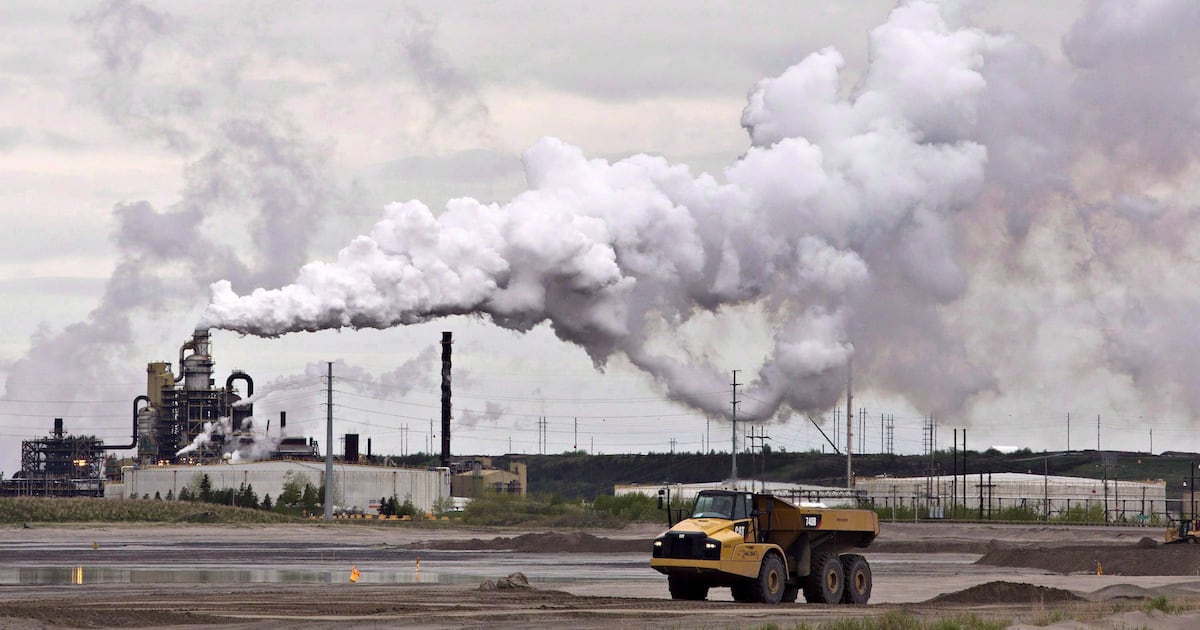
Connacher's key asset is the Great Divide project in Alberta, which sits directly next to Greenfire's existing Hangingstone operations. CP24 reports the deal is expected to generate about $30 million per year in cost savings and efficiencies once the two companies are combined.
Great Divide Asset Doubles Greenfire's Scale Overnight
Connacher's Great Divide project is a 100% operated thermal oil sands asset in Alberta. It is expected to produce about 19,500 barrels per day in 2026. That alone would add more output than Greenfire currently runs on its own, according to CTV News.
Great Divide also holds about 441 million barrels of proved plus probable reserves. Its reserves life index — how long the asset can produce at current rates — sits at 62 years. Because the project borders Greenfire's Hangingstone assets, the two can be developed together more efficiently. Greenfire's long-term goal is to grow combined production to around 65,000 barrels per day.
How Greenfire Plans to Pay the $1.28 Billion Price Tag
Greenfire will fund the purchase with a bridge loan — a short-term loan meant to be replaced quickly. To pay that loan back, the company plans a rights offering in August 2026. A rights offering lets existing shareholders buy new shares, usually at a discount. The goal is to raise at least $575 million, according to Winnipeg Free Press.
The offering can also be upsized if demand is strong. Final terms will be set closer to launch. The deal depends on regulatory approvals and market conditions before the rights offering can go ahead.
Waterous Energy Fund Backs the Deal With Its Own Money
Waterous Energy Fund (WEF) already owns about 72% of Greenfire's common shares, making it the dominant backer of the company. WEF has agreed to a standby commitment — a promise to buy its full share of the rights offering. That means WEF has pledged to spend at least $575 million in the August 2026 fundraise, according to Yahoo Finance.
A standby commitment is a safety net. It ensures the rights offering raises its minimum target even if other shareholders do not participate. WEF's pledge reduces the risk that Greenfire is left short of cash to repay the bridge loan after closing.
$30 Million in Annual Savings Drives the Strategic Logic
Greenfire projects about $30 million per year in synergies from combining the two companies. Those savings come from three areas: midstream operations, day-to-day operating costs, and general and administrative expenses. Midstream refers to pipelines and processing facilities that move and prepare oil before it is sold.
The geographic overlap is the key driver. Great Divide sits right next to Hangingstone, so shared infrastructure makes sense. With proved plus probable reserves rising to about 850 million barrels combined, Greenfire would become a much larger player in Alberta's oil sands — provided the deal clears all closing conditions.
Sentiment
Mostly PositiveNEGATIVENEUTRALPOSITIVE
Publishers
10
Articles
89
Reach
99
A
AnonymousAuthor


