Armenia Azerbaijan Iran Expand Cross-Border Energy Talks
Armenia Azerbaijan Iran Expand Cross-Border Energy Talks
Anonymous
Key Points
1
Armenia and Iran discussed leveraging the Eurasian Economic Union-Iran Free Trade Agreement to boost Armenian exports to Iran and secure long-term supplies of diesel fuel and liquefied petroleum gas (LPG).
2
The Armenian side called for improvements to border procedures to facilitate bilateral trade with Iran as part of expanding cooperation in trade, exports, joint production, and investment.
3
Lachin talks on August 25 involved Azerbaijan’s Ministry of Energy and AzerEnergy, and Armenia’s Ministry of Territorial Administration and Infrastructure with the Electric Power System Operator, focusing on cross-border electricity imports/exports and coordinating energy infrastructure at the state border.
4
Armenia’s leader discussed electricity cooperation with Azerbaijan, with Pashinyan saying Armenia may cooperate on electricity exports and imports, signaling alignment on cross-border energy moves.
5
The broader energy context in the region includes Azerbaijan’s large oil transit via BTC and rising oil-product export revenues, underscoring the overall momentum toward integrated energy cooperation beyond electricity.
Armenia is pushing forward with energy deals across its borders, opening talks with both Iran and Azerbaijan to diversify fuel supplies and build new electricity connections. Pastinfo reported that officials from both countries met in Lachin on August 25 to explore importing and exporting electricity between Armenia and Azerbaijan. Separately, Armenia's economy minister discussed long-term supplies of diesel fuel and liquefied petroleum gas from Iran, aiming to leverage trade agreements and boost Armenian exports.
The flurry of energy meetings reflects a broader regional shift toward integrated cooperation. Armenia wants better border procedures to speed up trade with Iran. Both Armenia and Azerbaijan are exploring how to physically connect their energy grids at the state border, enabling more robust electricity flows across the region.
Armenia Seeks Fuel Supplies From Iran
Armenia and Iran are negotiating long-term energy contracts to secure diesel fuel and liquefied petroleum gas (LPG) for Armenia. Caspian Post reported that Economy Minister Gevorg Papoyan met with Iranian officials to discuss expanding economic cooperation. The talks centered on using the Eurasian Economic Union-Iran Free Trade Agreement to boost Armenian exports to Iran while securing stable fuel shipments.
Armenia's government called for streamlining border procedures to make bilateral trade with Iran faster and easier. Officials emphasized that smoother customs processes and paperwork would help Armenian businesses export goods to Iran and import fuel more efficiently, unlocking trade opportunities in the broader Eurasian region.
Lachin Talks Focus on Electricity Trade Routes
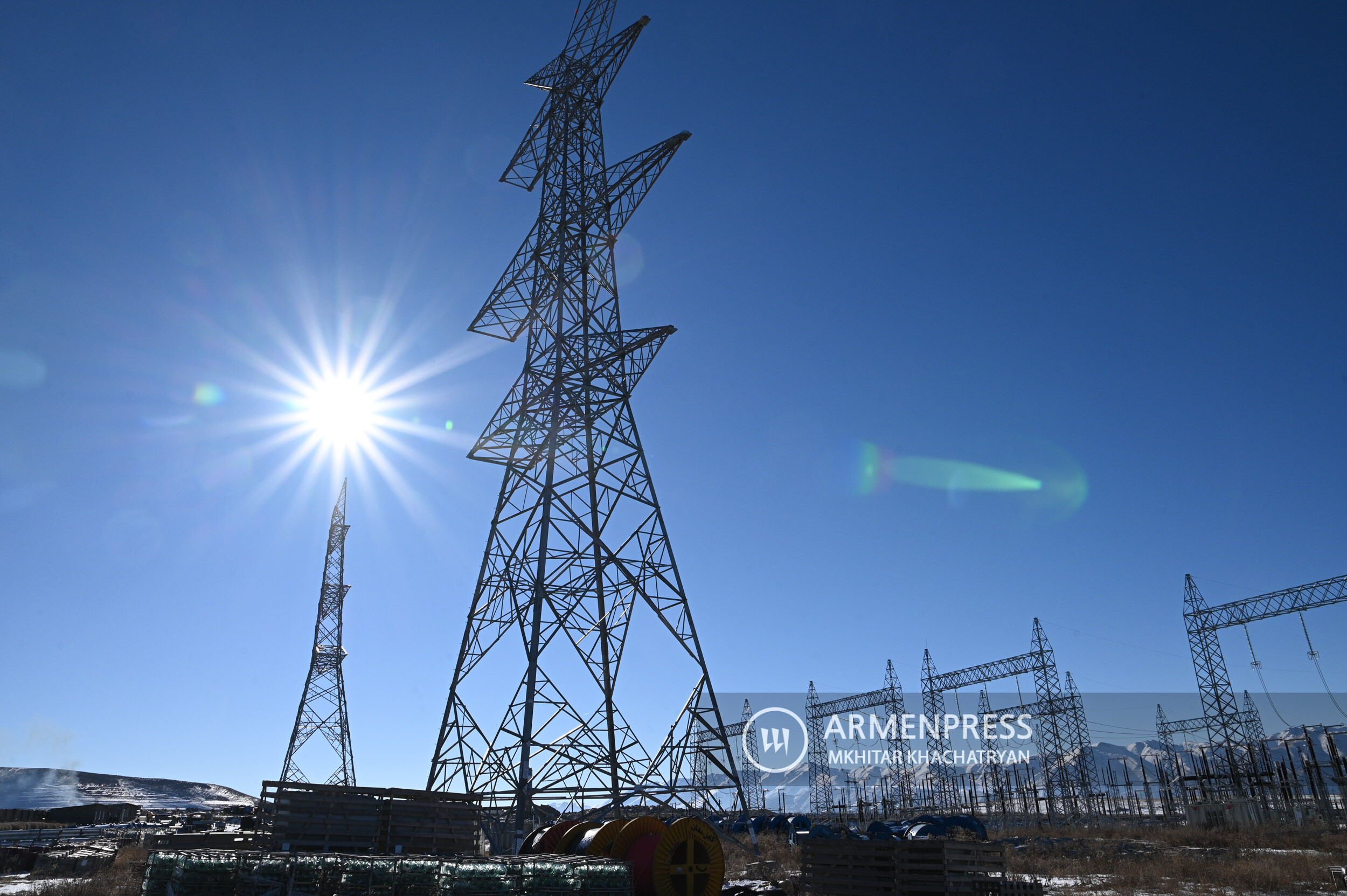
Armenia and Azerbaijan held a technical meeting in Lachin on August 25 to explore cross-border electricity sales, according to Pastinfo and Caspian Post. Armenia's Ministry of Territorial Administration and Infrastructure met with Azerbaijan's Ministry of Energy and system operators to discuss import and export options. Both sides agreed that connecting their electricity grids at the state border would enable meaningful power flows between the two countries.
The focus of the Lachin discussions was synchronizing energy infrastructure so electricity can move easily across the border. Banks.am reported that representatives from both countries' energy agencies emphasized the need to align technical and policy standards. Interconnecting the grids would let Armenia sell excess electricity to Azerbaijan or import power when domestic generation falls short.
Armenia's Leader Signals Support for Energy Cooperation
Armenia's Prime Minister Nikol Pashinyan publicly endorsed cross-border electricity cooperation with Azerbaijan. He indicated that Armenia may export electricity to Azerbaijan during times of surplus production, and import power when needed. This high-level backing signals that energy ties are moving from technical discussions to firm government policy.
Broader Regional Energy Integration Accelerates
The energy talks fit into a larger pattern of integration across the Armenia-Azerbaijan-Iran region. Azerbaijan generates significant revenue from oil transit and exports via the Baku-Tbilisi-Ceyhan (BTC) pipeline and other routes. Caspian Post noted that rising oil-product export revenues underscore momentum for coordinated energy infrastructure across the South Caucasus and beyond.
Together, the Armenia-Iran fuel negotiations and Armenia-Azerbaijan electricity plans show regional governments prioritizing energy diversity and cross-border connections. By linking fuel imports, electricity trade, and grid infrastructure, the three countries aim to create a more resilient and integrated energy network.
Sentiment
Mostly PositiveNEGATIVENEUTRALPOSITIVE
Publishers
12
Articles
5
Reach
17
A
AnonymousAuthor