India's Dengue Vaccine Breakthrough
India Approves QDENGA, Its First Dengue Vaccine, for Ages 4-60 Without Pre-Screening
Anonymous
Key Points
1
QDENGA demonstrated 80.2% efficacy against virologically confirmed dengue 12 months after the second dose in India's DEN-302 Phase III trial.
2
QDENGA is a tetravalent, live-attenuated dengue vaccine.
3
The DEN-302 Phase III trial in India confirmed the vaccine’s safety, tolerability, and immunogenicity in healthy adults, adolescents, and children.
4
DCGI granted market authorization under Rule CT-20 of the New Drugs and Clinical Trials Rules, 2019 for use in 4–60-year-olds.
5
WHO prequalification makes QDENGA eligible for procurement through international bodies such as UNICEF and PAHO.
India has approved its first dengue vaccine, making a major step in fighting one of its worst infectious diseases. The Drug Controller General of India (DCGI) granted market authorization to QDENGA, made by Takeda Biopharmaceuticals India, for people aged 4 to 60, according to Passionate in Marketing.
The approval is notable because the vaccine requires no blood test to check for past dengue infection before use. India reports tens of millions of dengue cases each year, with over 113,000 infections already recorded in 2025 alone, according to BizzBuzz.
No Blood Test Required Before Getting the Shot
Most vaccines against dengue require doctors to first confirm whether a patient was previously infected. QDENGA breaks that rule. It can be given to anyone aged 4 to 60 with no prior screening required, according to The Daily Jagran. That makes it far easier to roll out at scale across India's large, diverse population.
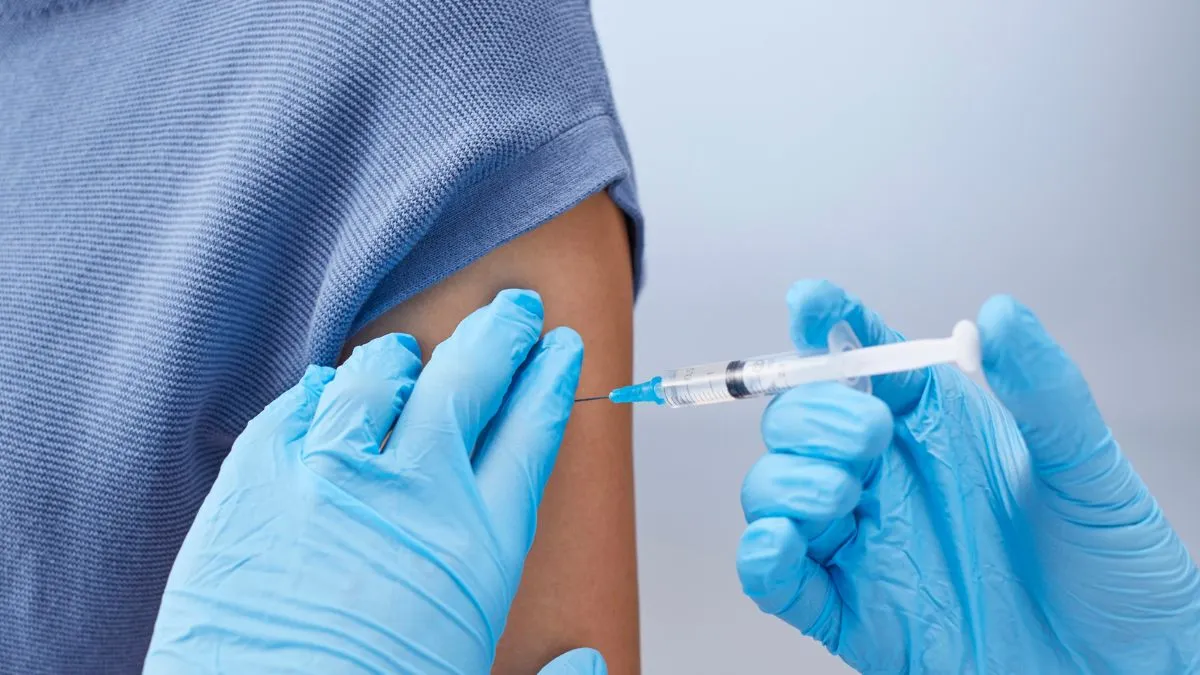
The vaccine is given as two doses of 0.5 ml, injected under the skin, three months apart. The DCGI approved it under Rule CT-20 of the New Drugs and Clinical Trials Rules, 2019, according to Passionate in Marketing. This regulatory path is used for drugs with strong global evidence behind them.
Phase III Trial in India Showed 80% Efficacy
The approval rests on a large body of evidence. Takeda ran 19 clinical trials worldwide with more than 28,000 participants. A Phase III study called DEN-302, conducted in Indonesia and India, confirmed the vaccine's safety and effectiveness, according to The Morning.
In India's DEN-302 trial, QDENGA showed 80.2% efficacy against lab-confirmed dengue 12 months after the second dose. The trial tested healthy adults, teenagers, and children. It also showed protection against all four dengue serotypes — the four strains of the virus that circulate globally, according to Star-Telegram.
India Carries a Heavy Dengue Burden Each Year
Dengue is a major public health problem in India. The country accounts for a large share of global dengue cases each year. Tens of millions of infections occur annually, spread by the Aedes mosquito in tropical and urban areas, according to BizzBuzz.
The scale of the problem makes QDENGA's approval especially significant. With no pre-vaccination screening needed, health workers can vaccinate large groups quickly. That could cut hospitalizations and deaths tied to severe dengue in high-burden areas across the country.
QDENGA Already Used in 43 Countries Worldwide
India is not the first country to approve QDENGA. The vaccine has already been cleared in 43 countries, and more than 32 million doses have been distributed globally, according to The Daily Jagran. It also holds WHO prequalification, a stamp of approval that lets international bodies like UNICEF and PAHO purchase and distribute it.
Takeda backed the approval with seven years of follow-up data showing lasting protection. The company called India's clearance a critical milestone. With dengue cases already climbing in 2025, health officials now have a proven tool to slow the spread.
Sentiment
Mostly PositiveNEGATIVENEUTRALPOSITIVE
Publishers
24
Articles
193
Reach
217
A
AnonymousAuthor


