Tubman $20 Bill Shelved
Treasury Shelves Long-Planned Harriet Tubman $20 Bill Redesign Indefinitely
Key Points
Jacob Lew said the 2016 decision to replace Jackson with Tubman followed thousands of public responses expressing support for the overhaul.
Janet Yellen revived the Tubman $20 bill project under the Biden administration and warned the redesigned currency would not be ready before 2030 because of the need to incorporate advanced anti-counterfeiting features.
A $250 bill proposal featuring a living person (such as a Trump portrait) has been discussed in the current administration, but those plans would require an act of Congress—living persons cannot appear on U.S. currency.
Several outlets have described the Tubman proposal as a persistent, recurring “zombie” bill—revived and shelved across multiple administrations—highlighting ongoing political contention over currency redesign.
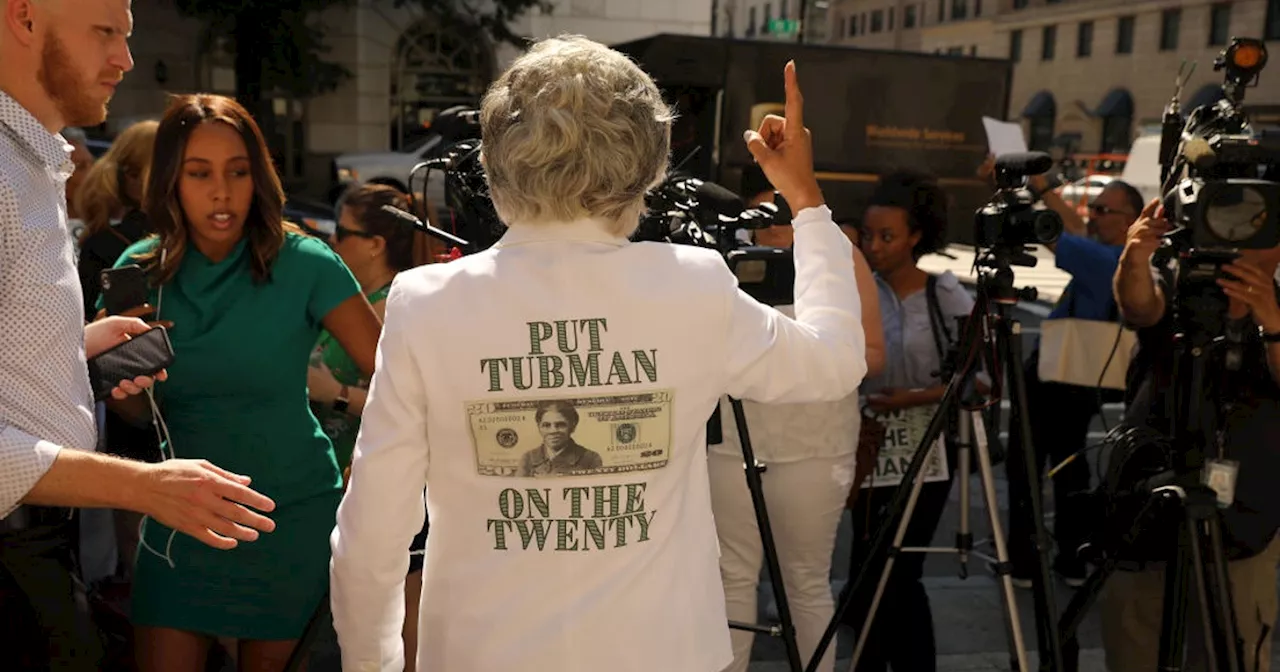
Treasury Secretary Scott Bessent announced that the government is no longer moving forward with plans to put Harriet Tubman on the $20 bill, according to Fox 10 Phoenix. The move effectively shelves a redesign first announced in 2016 that would have made Tubman the first African American on U.S. paper currency.
Andrew Jackson remains on the $20 bill. There is no timetable to bring the Tubman proposal back, Washington Examiner reported. The decision ends — at least for now — a years-long back-and-forth across three administrations.
A 2016 Promise That Kept Getting Shelved
Then-Treasury Secretary Jacob Lew announced the Tubman $20 bill plan in 2016. The decision followed thousands of public responses supporting the change, according to Yahoo News. The redesign would have replaced Jackson, a slaveholder, with Tubman, a formerly enslaved woman who became a key figure in the Underground Railroad.
The first Trump administration shelved the plan. President Biden's Treasury Secretary Janet Yellen then revived it. But Yellen warned the new bill would not be ready before 2030. That timeline was driven by the need to add advanced anti-counterfeiting features, according to Fox 32 Chicago.
Bessent Pulls the Plug Under Trump's Second Term
Scott Bessent, Trump's current Treasury Secretary, confirmed the plan is not moving forward. The Washington Examiner described the move as the Trump administration "discontinuing" the project. No replacement design or timeline has been offered. Jackson stays on the bill indefinitely.
Officials have noted that any currency redesign takes years of preparation. Anti-counterfeiting technology must be updated with each new design. That process alone can push timelines past a decade, making quick reversals politically easy but logistically complicated.
A $250 Bill Idea and the Rules Around Living People
While the Tubman plan stalls, other currency ideas have surfaced inside the current administration. A $250 bill featuring a living person — reportedly discussed in connection with a Trump portrait — has been floated. But that idea faces a hard legal wall: U.S. law bars living people from appearing on currency, according to Head Topics.
Creating a brand-new denomination or adding a new portrait to existing bills would require an act of Congress. No such legislation is currently moving forward. The $250 bill remains a rumor with no real path to becoming law.
The 'Zombie Bill' That Won't Stay Dead or Alive
Several outlets have called the Tubman proposal a "zombie" bill — one that gets revived and killed across administrations. Obama started it. Trump One stopped it. Biden restarted it. Trump Two stopped it again. Each reversal has tracked closely with the political priorities of whoever controls the White House.
For supporters, the issue is about representation and history. For opponents, it has become a cultural flashpoint. Either way, Harriet Tubman's face remains off U.S. currency — and based on the current administration's stance, that is unlikely to change anytime soon.
Sentiment
Mostly NegativePublishers
16
Articles
19
Reach
35


