Pacific Fishing Access Restored
Trump Administration Reverses Protections, Reopens Half-Million Square Miles for US Fishing
Anonymous

Key Points
1
The White House said the rollback follows the same Antiquities Act framework used to create the affected monuments, citing specific prior proclamations: President George W. Bush’s 2006 Papahānaumokuākea (Proclamation 8031), Obama’s 2016 expansion (Proclamation 9478), and Bush’s 2009 establishment of the Mariana Trench and Rose Atoll monuments (Proclamations 8335 and 8337). The administration argued that commercial fishing “under existing statutory authorities” would not put the “historic and scientific objects” at risk.
2
At the Oval Office signing event, Trump told the fishermen, “You weren’t allowed to fish,” adding: “Canada was, Japan was. They all came in to fish, but our people weren’t allowed to fish there,” and said the decision “destroyed livelihoods” and increased dependence on foreign seafood.
3
USA TODAY reported that eight regional fishery management councils warned in a June 2025 letter that the change is “counterproductive to domestic fishery goals,” writing that removing U.S. vessels “eliminates their ability to act as watchdogs over U.S. fishing grounds threatened by foreign fishing and other incursions.” The same report quoted the National Parks Conservation Association describing the monuments as “some of the most effective tools for improving ocean ecosystems and threatened fish stocks.”
4
The accompanying executive order, “Restoring American Seafood Competitiveness,” was described as building on a 2020 order and directing the Secretary of Commerce to consider revising or rescinding regulations affecting commercial fishing, aquaculture, and fish processing. It also calls for modernizing data collection/analysis for fisheries management and creating an “America First Seafood Strategy” plus a seafood trade strategy to address unfair competition—while also citing efforts to combat illegal, unreported and unregulated (IUU) fishing and unsafe/overburdening import practices.
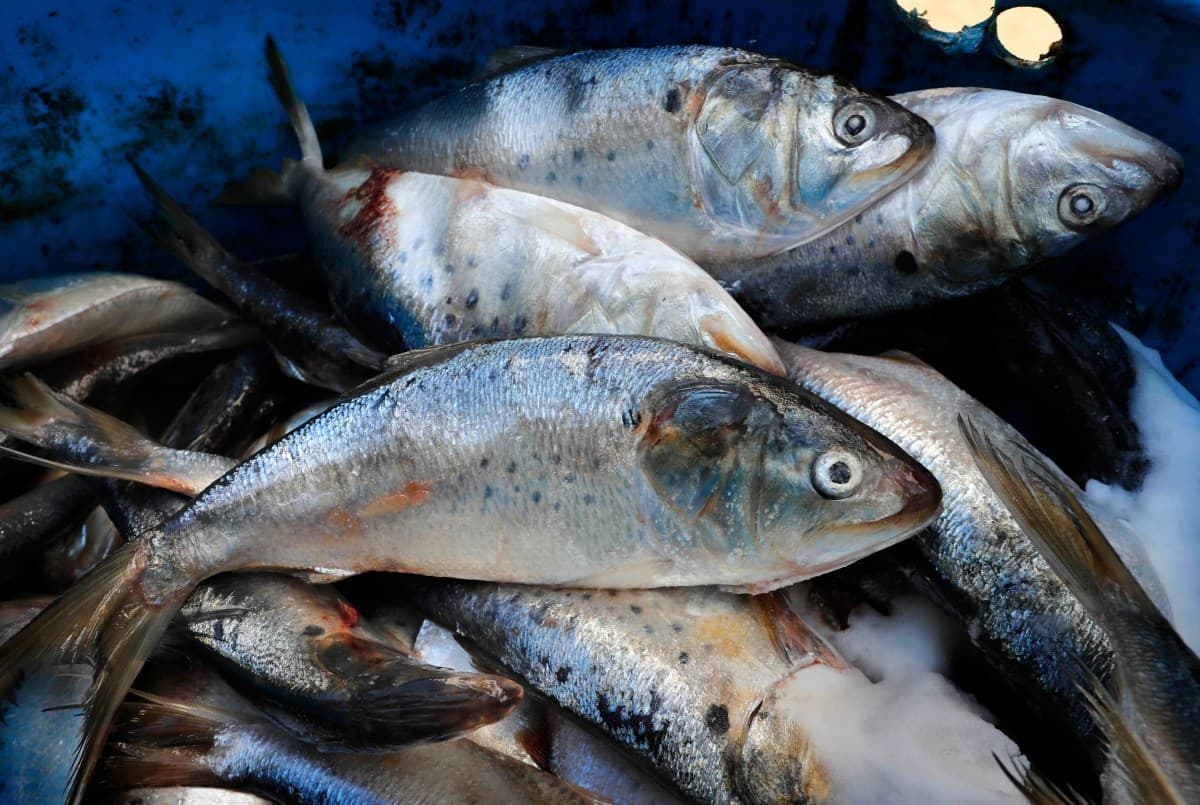
President Trump signed a proclamation on June 11, 2026, reopening nearly 500,000 square miles of protected Pacific Ocean waters to U.S. commercial fishing. The order lifts restrictions on portions of three marine national monuments — Papahānaumokuākea near Hawaii, Rose Atoll near American Samoa, and the Islands Unit of the Mariana Trench — areas that had been largely closed to American fishermen for nearly two decades. PBS reported the move is designed to boost the U.S. seafood industry and reduce dependence on foreign fish.
At the Oval Office signing, Trump told assembled fishermen: "You weren't allowed to fish. Canada was, Japan was. They all came in to fish, but our people weren't allowed to fish there." He said prior restrictions "destroyed livelihoods" and forced Americans to rely on imported seafood. The U.S. currently imports roughly $20 billion more in seafood than it exports each year, according to Newsweek.
What Exactly Was Reopened and How
The proclamation targets specific zones within each monument. At Papahānaumokuākea, fishing is restored in the Mau and Ho'omalu zones and in all waters beyond 50 nautical miles from shore. At Rose Atoll, access returns to waters between 12 and 50 nautical miles around the atoll. The Islands Unit of the Mariana Trench — east of the Philippines — is fully reopened to commercial fishing, Hawaii News Now reported.
The administration grounded the order in the same Antiquities Act used to create the monuments. It cited President Bush's 2006 Papahānaumokuākea proclamation, Obama's 2016 expansion, and Bush's 2009 creation of the Mariana Trench and Rose Atoll monuments. The White House argued that allowing commercial fishing "under existing statutory authorities" would not threaten the "historic and scientific objects" the monuments were built to protect.
America First Seafood Order Pairs With the Proclamation
Trump also signed a separate executive order called "Restoring American Seafood Competitiveness." It directs the Secretary of Commerce to review and possibly scrap regulations that limit commercial fishing, aquaculture, and fish processing. The order also calls for modernizing fisheries data collection and building an "America First Seafood Strategy" to close the country's $20 billion seafood trade gap, according to KITV.
NOAA Administrator Dr. Neil Jacobs said the action recognizes the strength of U.S. fisheries management under the Magnuson-Stevens Act and will lead to "more U.S.-caught fish on American tables." The order builds on a 2020 seafood competitiveness directive and adds a new trade strategy to fight what the administration calls unfair foreign competition and illegal, unreported fishing by other nations.
Fishery Councils and Environmentalists Push Back Hard
Opposition came from two directions at once. Eight regional fishery management councils warned in a June 2025 letter that the change is "counterproductive to domestic fishery goals." They argued that removing U.S. vessels "eliminates their ability to act as watchdogs over U.S. fishing grounds threatened by foreign fishing and other incursions," USA TODAY reported. In other words, American boats were seen as a deterrent to illegal foreign fleets.
Environmental groups took a sharper stance. The National Parks Conservation Association called the monuments "some of the most effective tools for improving ocean ecosystems and threatened fish stocks." Earthjustice attorney David Henkin vowed immediate legal action, saying commercial fishing in these areas would be "disastrous for the environment." The NRDC's Brad Sewell argued that the Antiquities Act lets presidents protect areas — but only Congress can dismantle them, according to Newsweek.
Legal Battles Loom as Courts Already Ruled Against Similar Moves
The proclamation faces a rocky legal road. A 2025 district court in Hawaii struck down a similar attempt to reopen the Pacific Remote Islands Heritage monument. That ruling suggests the administration may face a tough fight in the 9th Circuit Court of Appeals, where environmental groups are expected to file quickly, according to Honolulu Civil Beat.
The legal fight hinges on a single question: Can a president use the Antiquities Act to undo what a prior president did with the same law? The administration says yes. Critics say no — and that the 2025 Hawaii ruling already answers the question. This is not the first monument rollback under Trump. In February 2026, the administration restored fishing in the Northeast Canyons and Seamounts monument in the Atlantic, setting up the Pacific action as the next legal test case, PBS reported.
Sentiment
Mostly PositiveNEGATIVENEUTRALPOSITIVE
Publishers
20
Articles
33
Reach
53
A
AnonymousAuthor