Uncovering Boston's Black History
Boston restores historically significant gravestone, honoring early free Black individual.
Anonymous
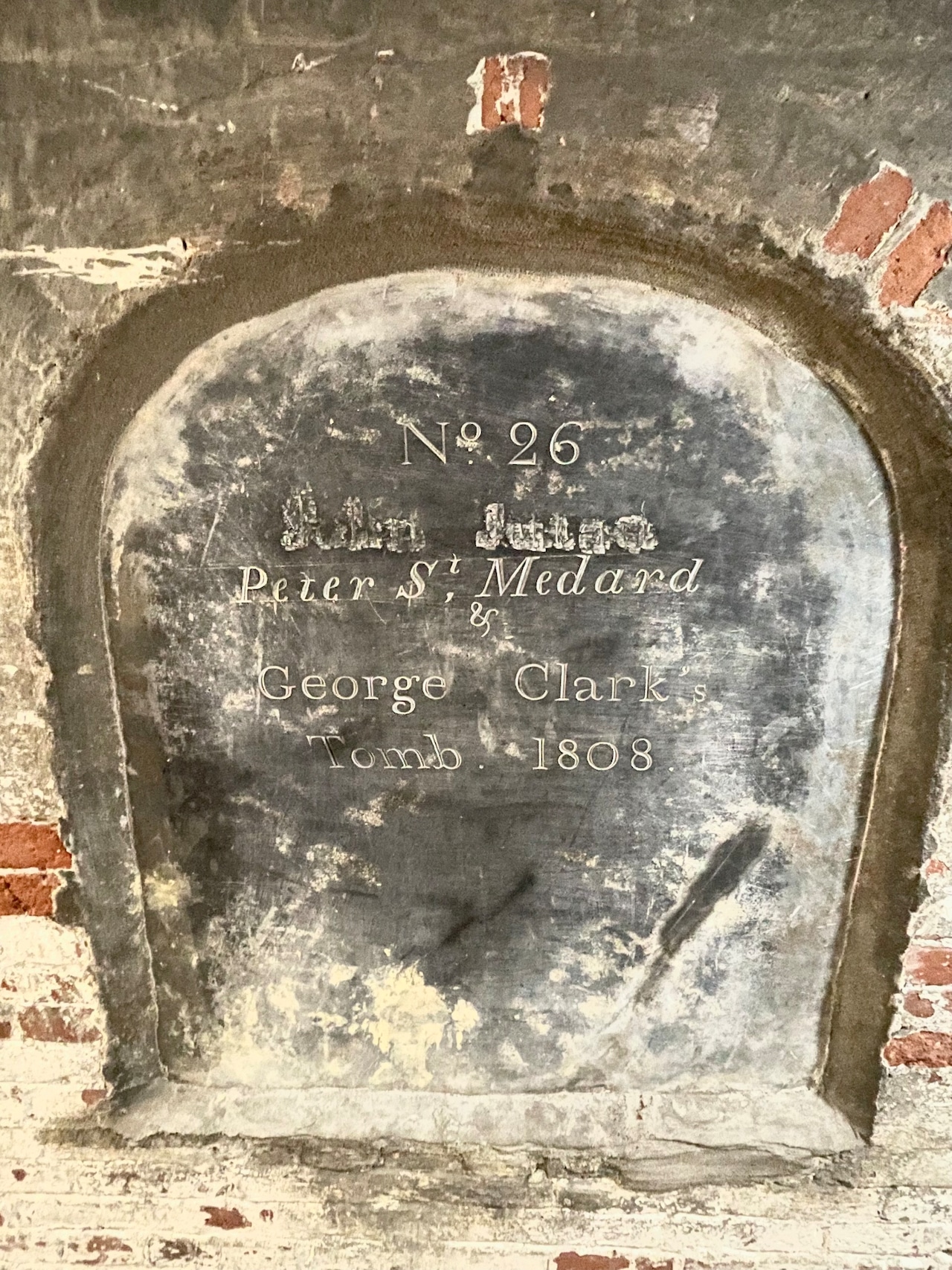
Boston Mayor Michelle Wu announced a remarkable historical find: the restored gravestone of Sebastian Lake, believed to be one of the oldest surviving grave markers of a free Black person in America. Lake died in 1729 at Boston's Granary Burying Ground, having lived his final years as a free man after being enslaved. WBAL TV reported that Wu unveiled the discovery during the city's annual Independence Day Oration at Faneuil Hall.
The announcement came alongside other historical recoveries, including the use of a 251-year-old map to locate a Revolutionary War fort built on the eve of the Battle of Bunker Hill. Boston is also installing more than 40 new historic markers city-wide to recognize people and places left out of traditional histories.
Sebastian Lake's Gravestone Recovered After Nearly 300 Years
Conservationists working at the Granary Burying Ground found and restored the gravestone of Sebastian Lake, who died in 1729. He is believed to have been enslaved at one point under the name Sebastian Lake. He later gained his freedom and lived as a free man until his death. KCRA reported that his stone is considered one of the oldest known grave markers for a free Black person in the United States.
The Granary Burying Ground is one of Boston's oldest cemeteries. It already holds the graves of notable figures like Paul Revere and John Hancock. The discovery of Lake's stone adds a new and long-overlooked name to that historic ground. Historians say findings like this help fill in gaps about the lives of Black Americans in colonial-era New England.
Ancient Map Leads City to Hidden Revolutionary War Fort
Boston city archaeologists used a 251-year-old map to pinpoint the location of a Revolutionary War fort. The fort was built just before the Battle of Bunker Hill in 1775. KSBW reported that the find is part of a broader effort by the city to uncover hidden layers of Boston's history. The Battle of Bunker Hill was one of the first major battles of the American Revolutionary War.
City archaeologists are now able to study the site more closely. The fort's location had been lost over time. Finding it using the old map shows how historical documents can unlock discoveries that modern tools alone might miss.
Boston Plans 40+ New Markers for Overlooked Histories
Mayor Wu announced that Boston will install more than 40 new historic markers across the city. The markers will recognize people and places that have been left out of traditional histories. WGAL reported that the effort is part of the city's push to tell a fuller story of Boston's past. Many of the people honored have ties to Black, Indigenous, and immigrant communities.
Wu, a Democrat who has clashed with the Trump administration on several issues, said she wants a more complete understanding of America's past. "A more complete history" is how she described the goal. The new markers, combined with the gravestone and fort discoveries, signal a wider city-led effort to reshape how Bostonians and visitors understand local history.
Independence Day Speech Sets Stage for Historical Reckoning
Wu chose Boston's Independence Day Oration at Faneuil Hall to make the announcements. The annual event is one of the oldest civic traditions in the United States. KMBC reported that Wu used the platform to connect the new historical discoveries to broader questions about American identity and whose stories get told. Faneuil Hall itself has a complicated history tied to the slave trade.
By pairing the July 4th setting with stories like Sebastian Lake's, Wu made a pointed statement. The goal, she suggested, is not to rewrite history but to make it whole. The city's work — from gravestone restoration to archaeological digs — reflects a growing national conversation about how America remembers its past.
Sentiment
NeutralNEGATIVENEUTRALPOSITIVE
Publishers
11
Articles
11
Reach
11
A
AnonymousAuthor


