Uranium Mining Health Risks
Nuclear Energy Push Revives Domestic Uranium Mining and Tribal Health Concerns
Anonymous
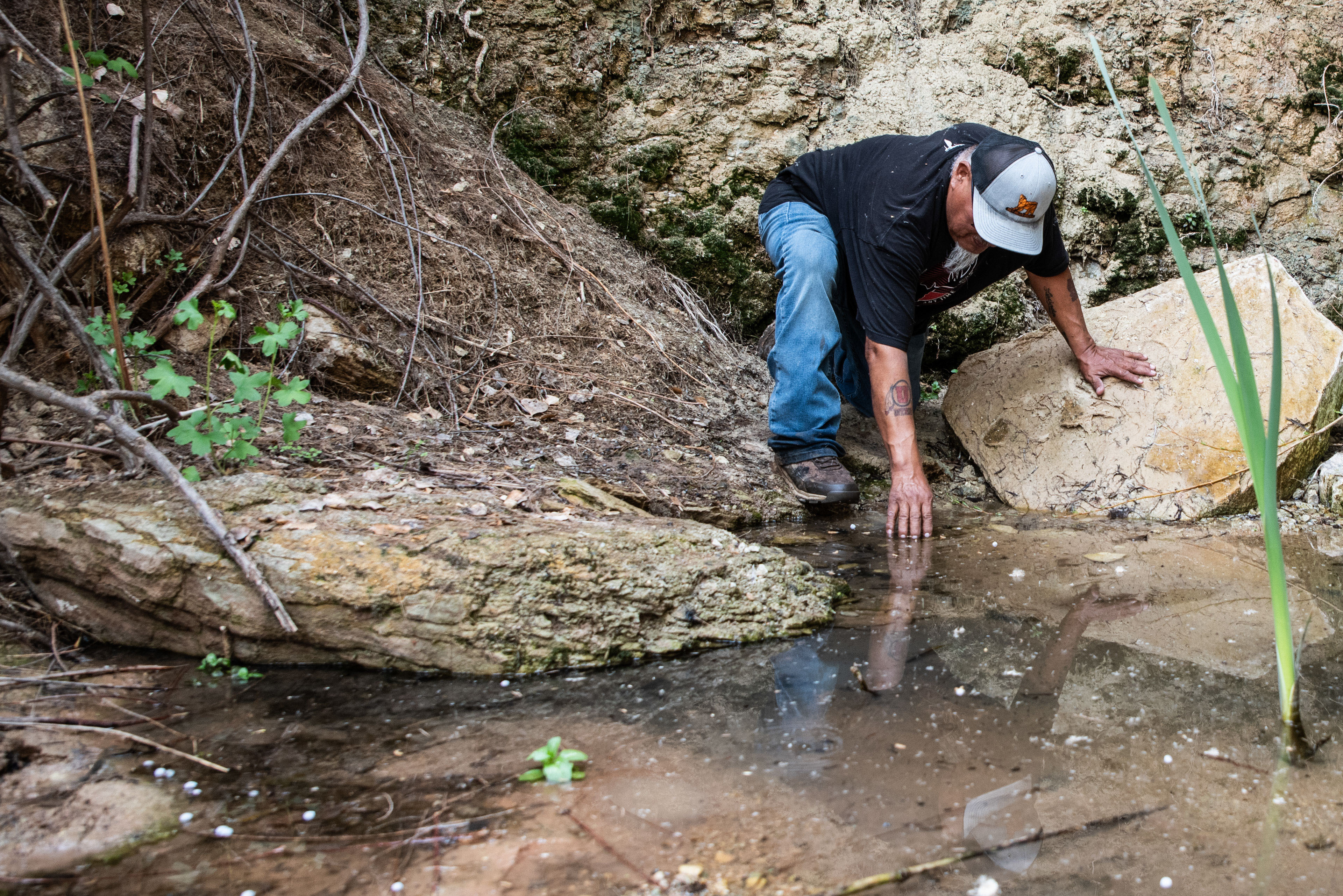
The U.S. push for nuclear power is reviving the uranium industry, but it's raising alarm bells for tribal communities in the Southwest. Bradenton Herald reports that the White Mesa Mill — the nation's only remaining conventional uranium mill — is now under intense scrutiny as production ramps up. The mill, which processes yellowcake fuel for nuclear reactors, has sparked health concerns among nearby Ute Mountain Ute tribe members for decades.
President Trump wants to quadruple nuclear capacity by 2050. A new federal law banning Russian uranium imports by 2028 is pushing the U.S. to boost domestic production. Council on Foreign Relations expert David Hart notes that nuclear power is gaining traction as a low-carbon energy source. But the rush for uranium is colliding with tribal safety fears.
White Mesa Mill Becomes Nuclear Fuel Bottleneck
White Mesa Mill is the U.S.'s last functioning conventional uranium mill. It converts raw uranium ore into yellowcake — the refined fuel used in nuclear reactors. Bellingham Herald reports the mill has been controversial since it opened because of radioactive contamination risks. As demand for domestic uranium grows, the mill's output matters more than ever to the nation's nuclear fuel supply.
The mill sits near tribal lands in Utah. Ute Mountain Ute members live with concerns about groundwater contamination and radiation exposure. Tri-City Herald notes that past operations have left residue in the surrounding area. Now, increased production is amplifying those worries as the mill ramps up operations.
Federal Ban on Russian Uranium Forces Domestic Push
Congress banned Russian uranium imports starting in 2028. This law forces the U.S. to rely on domestic sources to fuel its nuclear fleet. San Luis Obispo Tribune reports the ban is driving a rush to develop American uranium production. White Mesa Mill suddenly became critical to the nation's energy strategy.
The timing creates a dilemma for policymakers. They want low-carbon nuclear energy. But tribal communities near uranium facilities bear the health risks. Mahoning Matters highlights how the push for energy independence is colliding with long-standing environmental justice concerns.
Trump's Nuclear Goal Reshapes Energy Calculus
Trump's goal to quadruple nuclear capacity by 2050 signals a dramatic shift in U.S. energy policy. Quad-City Times reports this ambition depends on securing steady uranium supplies. Without domestic production, the administration's nuclear expansion stalls.
Nuclear power supporters argue it cuts carbon emissions and fights climate change. But Sun Herald coverage shows tribal communities fear they're bearing the environmental cost while others reap the benefits. The debate pits clean energy goals against tribal sovereignty and public health.
Sentiment
NeutralNEGATIVENEUTRALPOSITIVE
Publishers
7
Articles
6
Reach
7
Topics
A
AnonymousAuthor


