TSMC's Arizona AI Chip Future
TSMC Boosts Arizona Investment to $265 Billion for Advanced AI Chip Production
Anonymous
Key Points
1
TSMC's Arizona footprint is set to expand beyond the first two fabs, with a second fab equipment move underway, a third fab under construction, and a fourth fab plus the site's first advanced packaging facility in planning, bringing the total to 12 fabrication and advanced packaging facilities plus an R&D center in Arizona.
2
The Arizona expansion follows a clear technology transition: the first phase is already using 4-nanometer technology, as TSMC progresses from 5-nanometer to 3-nanometer processes, with 2-nanometer technology planned to drive future revenue.
3
Building out U.S. fabs is reported to be four to five times more expensive than in Taiwan, yet CFO Wendell Huang insists the company will aggressively pursue opportunities, stating, "We do not plan to leave any food on the table for anybody else."
4
TSMC remains the world's largest dedicated chip foundry with about 70% market share in 2025, and it counts Apple, AMD, and Nvidia among its clients, underscoring its central role in the chip supply chain.
5
Even as the Arizona push accelerates, TSMC is expanding its Taiwan footprint with thirteen additional advanced fabs, highlighting a strategy to balance growth across regions while keeping a tight link between research and manufacturing.
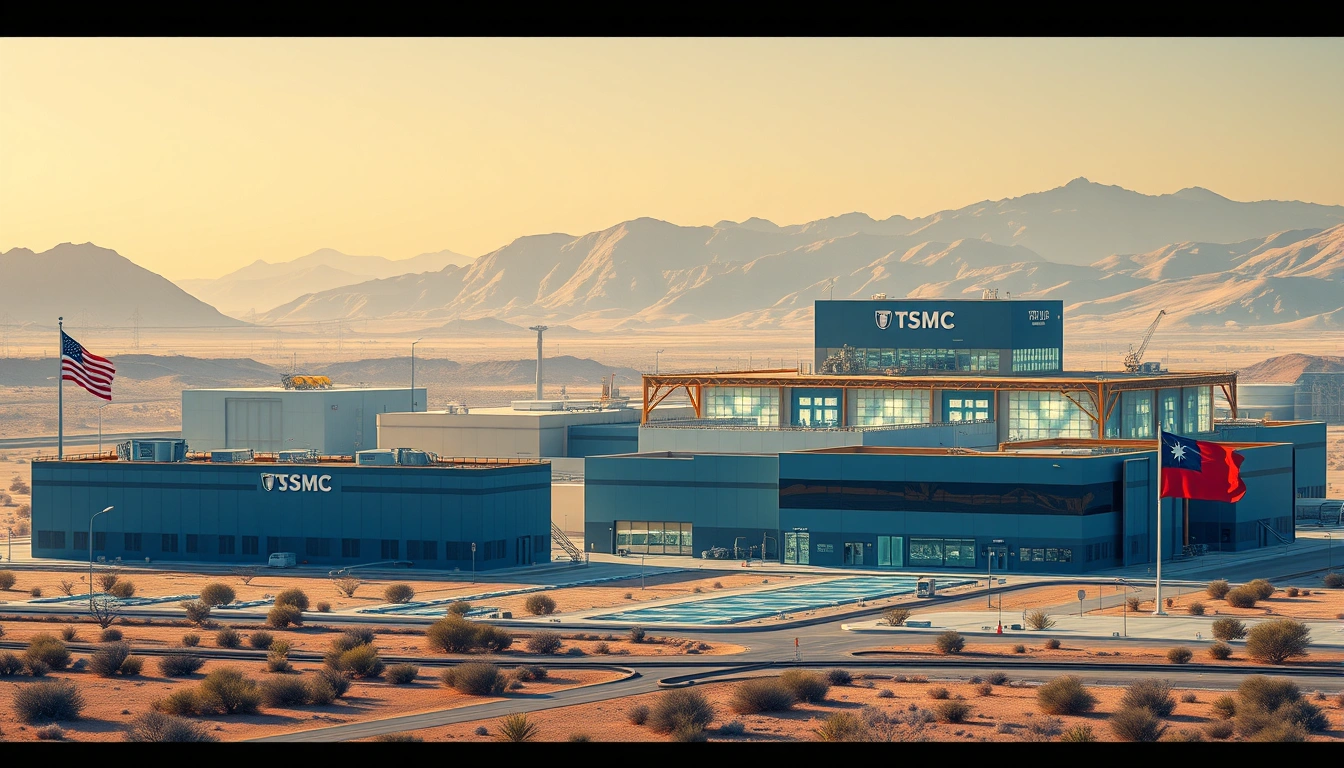
TSMC has pledged an additional $100 billion to expand its Arizona semiconductor operations, bringing its total U.S. commitment to $265 billion, according to Investing.com. The move is driven by surging demand for AI chips and a push to secure American-made supply chains.
The world's largest chip foundry — holding about 70% of the global foundry market in 2025 — plans to build 12 fabrication and advanced packaging facilities plus an R&D center in Arizona, per CityBiz. Clients including Apple, Nvidia, and AMD are all waiting on the output.
From One Fab to Twelve: TSMC's Arizona Buildout
TSMC's first Arizona fab is already running. Mychesco reported that yields match those at its Taiwan facilities — a major milestone. A second fab is getting its equipment installed now. A third is under construction, and a fourth plus the site's first advanced packaging facility are in the planning stage.
The technology is advancing alongside the construction. The first fab uses 4-nanometer chips. TSMC is now moving to 3-nanometer processes. After that, 2-nanometer technology is planned to drive the next wave of revenue, according to GuruFocus.
Building in the U.S. Costs Four Times More Than Taiwan
Running a fab in Arizona is expensive. DJC reported that U.S. fabrication costs four to five times more than building the same plant in Taiwan. That gap puts pressure on profit margins and raises questions about long-term competitiveness.
CFO Wendell Huang pushed back on any hesitation. He said, "We do not plan to leave any food on the table for anybody else." TSMC is also open to issuing bonds to fund the expansion if market conditions allow, according to Investing.com.
Labor Shortages and Infrastructure Gaps Threaten the Timeline
Arizona does not yet have enough skilled chip workers. TSMC has flagged local labor shortages as a real risk to staying on schedule. The company says it is working with local authorities to fix gaps in regional infrastructure, from housing to technical training pipelines.
CityBiz noted that TSMC sees close ties between research and manufacturing as essential. That is one reason the Arizona campus will include a dedicated R&D center — so engineers are on-site, not halfway around the world in Taiwan.
Taiwan Still Growing as TSMC Balances Its Global Footprint
Arizona is not replacing Taiwan — it is joining it. TSMC is also building thirteen additional advanced fabs on the island, per Mychesco. The strategy keeps Taiwan as the research and development hub while the U.S. handles more of the manufacturing for American clients.
Investors are watching closely. The $265 billion price tag is enormous. GuruFocus noted that analysts are weighing the high capital costs against strong, multi-year AI chip demand. TSMC's dominant 70% market share gives it leverage — but the bet on Arizona still has to pay off.
Sentiment
Mostly PositiveNEGATIVENEUTRALPOSITIVE
Publishers
20
Articles
22
Reach
42
Topics
A
AnonymousAuthor


