AI Fuels China CPU Demand
Intel and AMD Seek Longer China Server CPU Deals As AI Data Center Demand Strains Supply
Anonymous
Key Points
1
Nvidia’s B300 AI servers have changed hands in China for about $1 million, roughly double the typical U.S. price, highlighting the intensified GPU-side scarcity and price inflation in the Chinese market.
2
Apple is pushing to secure memory chips from China’s CXMT, driven by fears of a worsening global chip shortage through 2027 rather than demand for lower costs.
3
Intel’s broader AI-infra push includes deploying Gemini Enterprise across engineering, supply chain, and corporate operations, alongside a Google Cloud partnership to power AI agents and accelerate chip development.
4
Lead times for some Xeon server CPUs in China have reached up to six months, underscoring the severity of supply constraints in the Chinese market.
5
AMD’s EPYC processors are seeing rising demand in China as AI infrastructure expansion continues, with long-term supply discussions similar to Intel and some deals extending to two years or more.
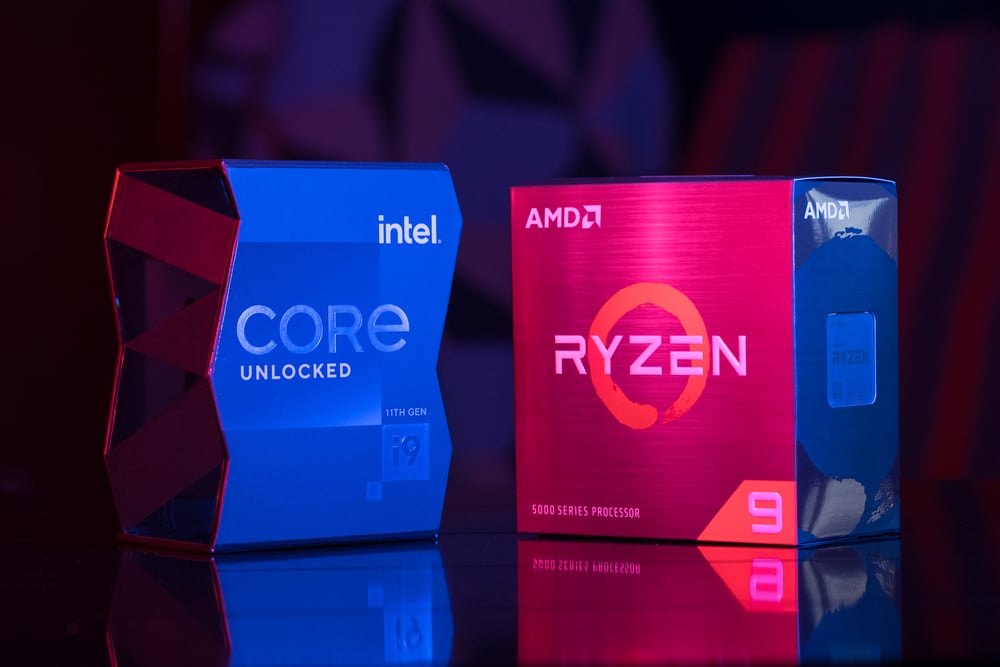
Intel and AMD are locking Chinese data center customers into longer-term server CPU deals as prices surge and supply tightens amid the global AI boom, according to The Next Web and Benzinga. The contracts tie buyers to set purchase volumes — not fixed prices — and typically run about one year, with some deals stretching to two years or more.
Lead times for some Intel Xeon server CPUs in China have reached up to six months, according to Head Topics. Server CPU prices have climbed sharply, mirroring earlier shortages in memory chips and GPUs — and signaling a broader seller's market across the entire AI hardware stack.
China's AI Buildout Is Straining CPU Supply Chains
China's rapid expansion of AI data centers is driving unprecedented demand for server processors. Both Intel and AMD are pursuing long-term volume commitments with Chinese buyers to manage that demand, according to Electronics For You. Intel has warned that Xeon CPU demand is now outpacing supply — a rare and serious signal from the world's largest chipmaker.
AMD's EPYC processors are seeing similar pressure. The company is in long-term supply talks with Chinese customers, with some deals extending beyond two years, Benzinga reported. This shows AI infrastructure growth is no longer just a GPU story — CPUs are now just as critical and just as scarce.
GPU Scarcity in China Pushes Prices to Extremes
The CPU crunch sits inside a much larger hardware shortage in China. Nvidia's B300 AI servers have changed hands in China for around $1 million each — roughly double the typical U.S. price, according to Head Topics. Export controls have cut off Chinese buyers from the latest Nvidia chips, forcing them to pay steep premiums on whatever supply is available.
The pattern echoes what happened with memory chips and GPUs in earlier shortage cycles. Industry observers say the market has shifted firmly toward sellers. Buyers who do not lock in volume commitments now risk being shut out entirely or paying far higher spot prices later.
Memory Crunch Looms as Apple Chases Chinese Chip Supply
The shortage is spreading beyond CPUs and GPUs. Apple is reportedly pushing to secure memory chips from China's CXMT, driven by fears of a deepening global chip shortage through 2027, according to Benzinga. This is not about getting cheaper chips — it is about securing any reliable supply at all.
Together, these moves by Intel, AMD, and Apple point to a single underlying reality: the AI infrastructure buildout is consuming chips faster than the industry can make them. Every major hardware category — CPUs, GPUs, and memory — is now under supply strain at the same time.
Intel Bets on AI Tools to Speed Up Its Own Chip Development
Intel is not just managing supply — it is also using AI to build faster. The company is deploying Google's Gemini Enterprise AI across engineering, supply chain, and corporate operations, as part of a Google Cloud partnership, Benzinga reported. The goal is to use AI agents to accelerate chip design and cut time-to-market.
The move shows how chipmakers are turning to the very technology driving their supply crunch to solve it. Intel is betting that AI-assisted chip development can help it close the gap between surging demand and limited output — before long-term deals with Chinese customers start coming due.
Sentiment
Mostly PositiveNEGATIVENEUTRALPOSITIVE
Publishers
11
Articles
49
Reach
60
A
AnonymousAuthor


